
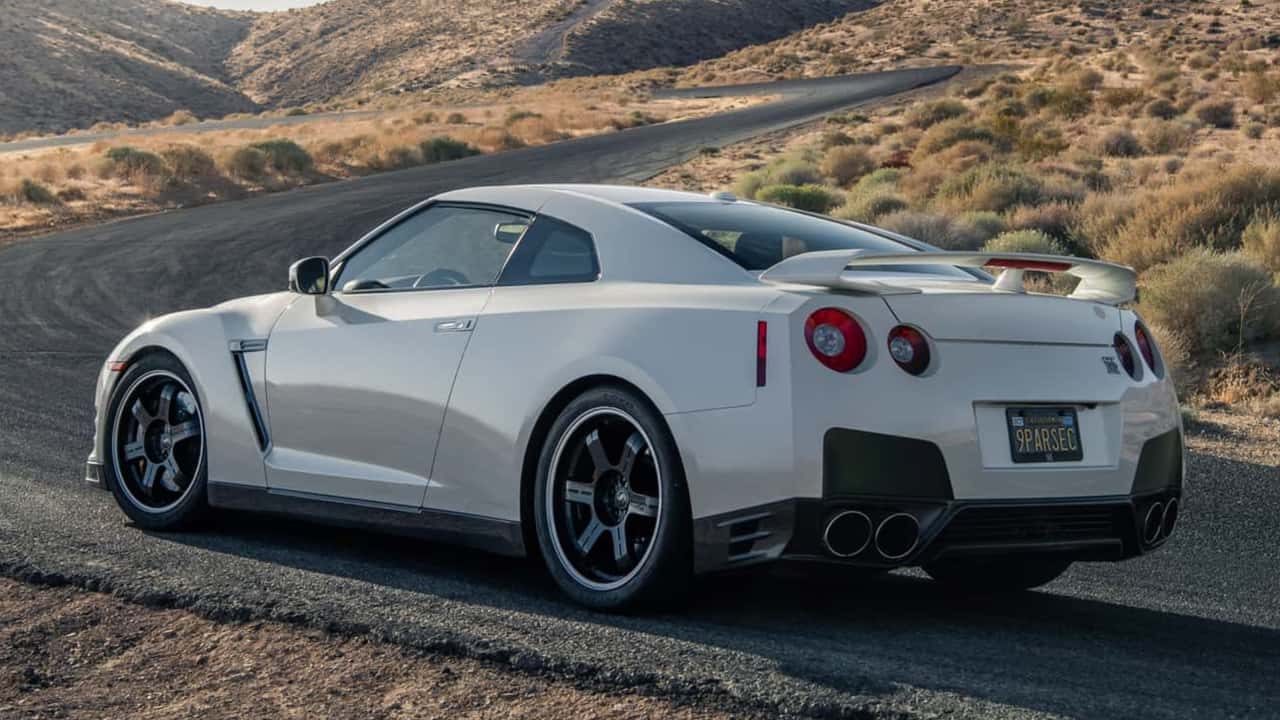


Richard Candler didn’t mince words. “We’re not going to go with batteries in the next generation. No way,” Nissan’s global head of product strategy told Motor1, killing the notion that the R36 GT-R would arrive as a full EV. Two words — “no way” — and years of speculation evaporated.
The speculation was partly Nissan’s own doing. In 2023, the company rolled out the Hyper Force concept, a sleek all-electric supercar that practically screamed “future GT-R” without ever saying it. The internet connected the dots. Nissan let the conversation simmer.
Now, with the R35 finally headed to the grave after an 18-year production run, the company is setting the record straight: the next Godzilla will still have a combustion engine. But it won’t be combustion-only. That nearly 60-year streak of gas-powered GT-Rs is over.
Candler confirmed hybridization is inevitable. “It will have to be electrified because of emissions regulations at some level, of course,” he said. “It’s just common sense that you would have a sense of electrification, but the battery’s a limiting factor.” Translation: lithium-ion chemistry isn’t ready for what the GT-R demands, but tailpipe regulations outside the United States won’t wait.
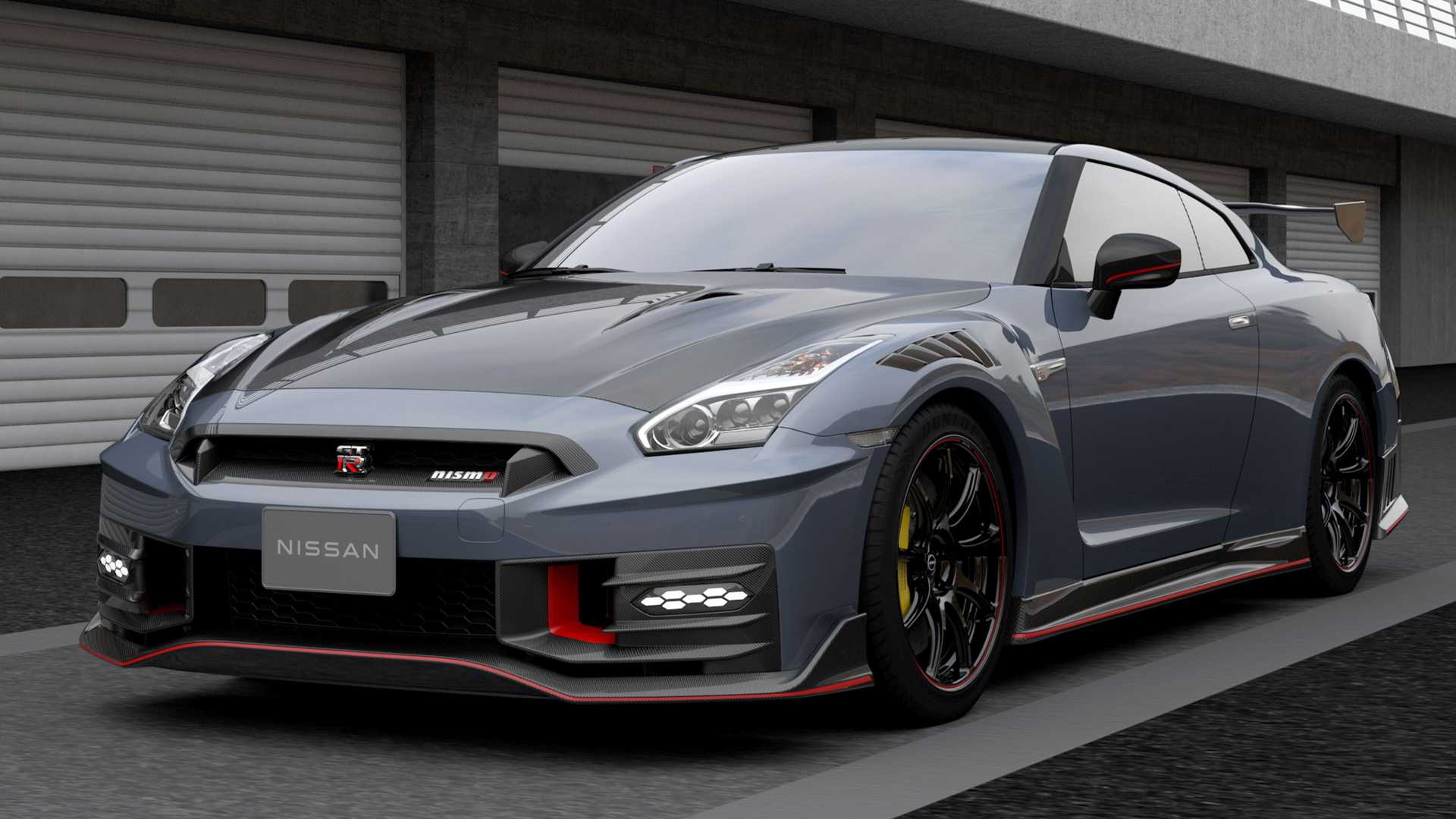
There’s a real possibility the R36 retains a descendant of the VR38DETT twin-turbo V6 that defined the R35 — updated, modernized, and bolted to an electric assist system. That would be evolution, not revolution. It’s also the exact playbook Ferrari used with the SF90 Stradale, Lamborghini with the Revuelto, and McLaren with the Artura.
The supercar world already made this turn. Nissan is just catching up.
The timing reveals something deeper about Nissan’s position. This is a company bleeding money, one that pulled the Ariya EV from U.S. dealerships and is navigating the chaos of shifting federal EV policy under the Trump administration. The Leaf soldiers on alone as the brand’s sole American electric offering.
Betting the GT-R — Nissan’s most emotionally important nameplate — on an all-electric powertrain would have been a massive financial and reputational gamble. A hybrid hedges that bet.
Candler’s remarks about electric sports cars not being “hugely popular” weren’t throwaway lines. They reflect a broader recalibration happening across the industry. Porsche’s Taycan hasn’t replaced the 911. Lotus is keeping combustion alive alongside the Eletre.
Even in a world sprinting toward electrification, the highest-profile performance cars are finding that batteries add weight, complicate thermal management, and change driving character in ways enthusiasts aren’t always willing to accept.
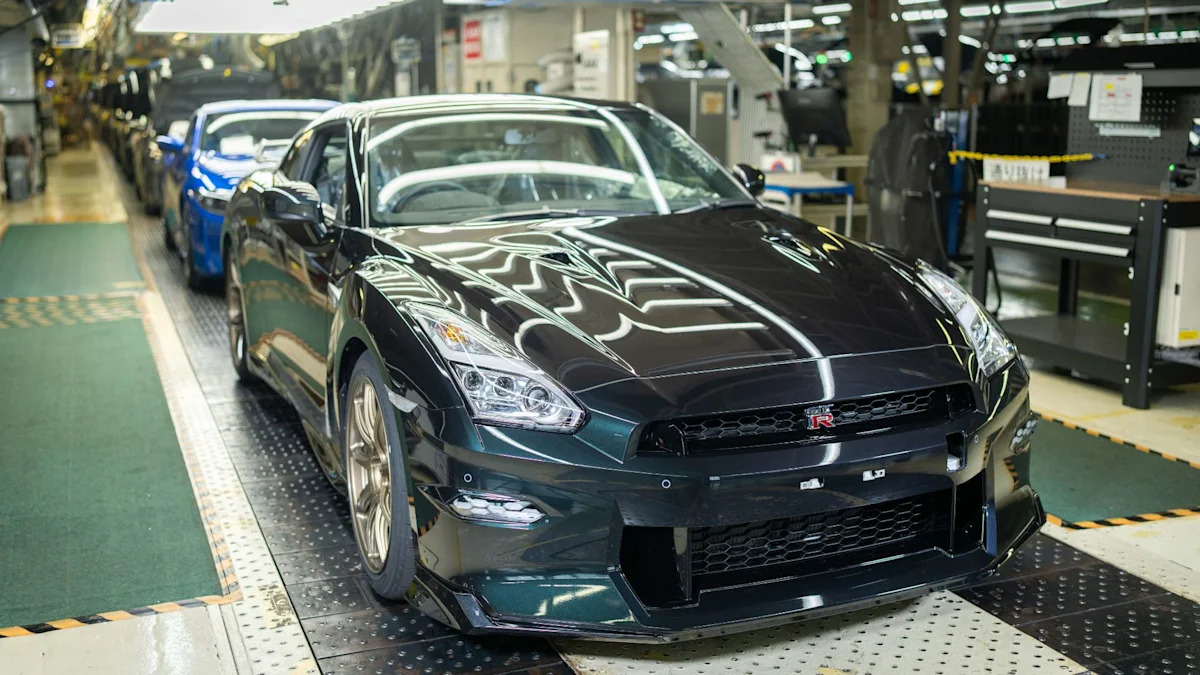
The R36 is expected before the decade ends, likely around 2028 or 2029, built on a completely new platform. That fresh architecture gives Nissan room to engineer hybrid integration from the ground up rather than bolting it onto something old — a critical distinction that separates a coherent car from a compromised one.
GT-R buyers are a particular breed. They don’t cross-shop minivans. They’ve spent decades worshipping a car that delivered supercar speed at a fraction of supercar pricing, a car that humiliated Ferraris on the Nürburgring and then drove home in the rain.
Asking them to accept electrification of any kind is asking them to trust that the soul survives the surgery. Nissan knows the stakes. The R35 ran for 18 years precisely because replacing it was so daunting.
Whatever emerges has to justify its existence in a market that has changed beyond recognition since 2007. A hybrid GT-R won’t satisfy everyone. Purists will grumble about added weight and complexity.
EV advocates will call it a half-measure. Nissan is betting that somewhere between those two camps lives a car worthy of the name. Given the alternatives — a bloated electric bruiser or no GT-R at all — that bet looks like the smartest hand the company can play right now.
Share this Story