
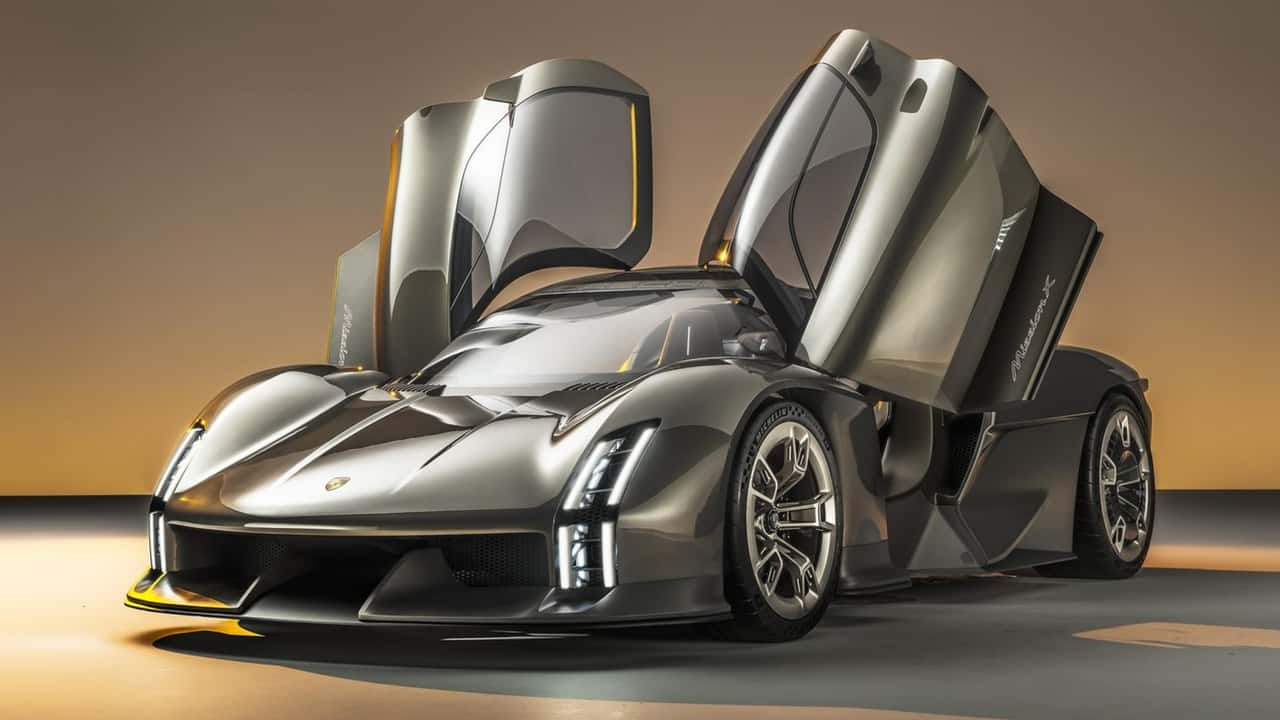


Operating profit at Porsche cratered from €5.64 billion in 2024 to just €0.41 billion in 2025. That’s not a dip. That’s a 93 percent collapse, and it’s the single most important number behind every strategic move the company is now making, including a potential halo supercar that would sit above the 911 for the first time in a generation.
New CEO Michael Leiters, poached from a career that includes stints at both Ferrari and McLaren, is already reshaping the company from the inside. His mandate is simple: cut the fat and find profits wherever they hide. The most compelling place he’s looking is straight up, at the ultra-premium end of the sports car market, where margins are thick and exclusivity commands irrational money.
Leiters confirmed Porsche is evaluating new high-profit models positioned above its current two-door lineup and even the Cayenne SUV. That’s deliberately vague language, but the implications are clear. We’re talking about extreme 911 variants, a dedicated supercar, or possibly a full hypercar aimed squarely at Ferrari and Lamborghini territory.
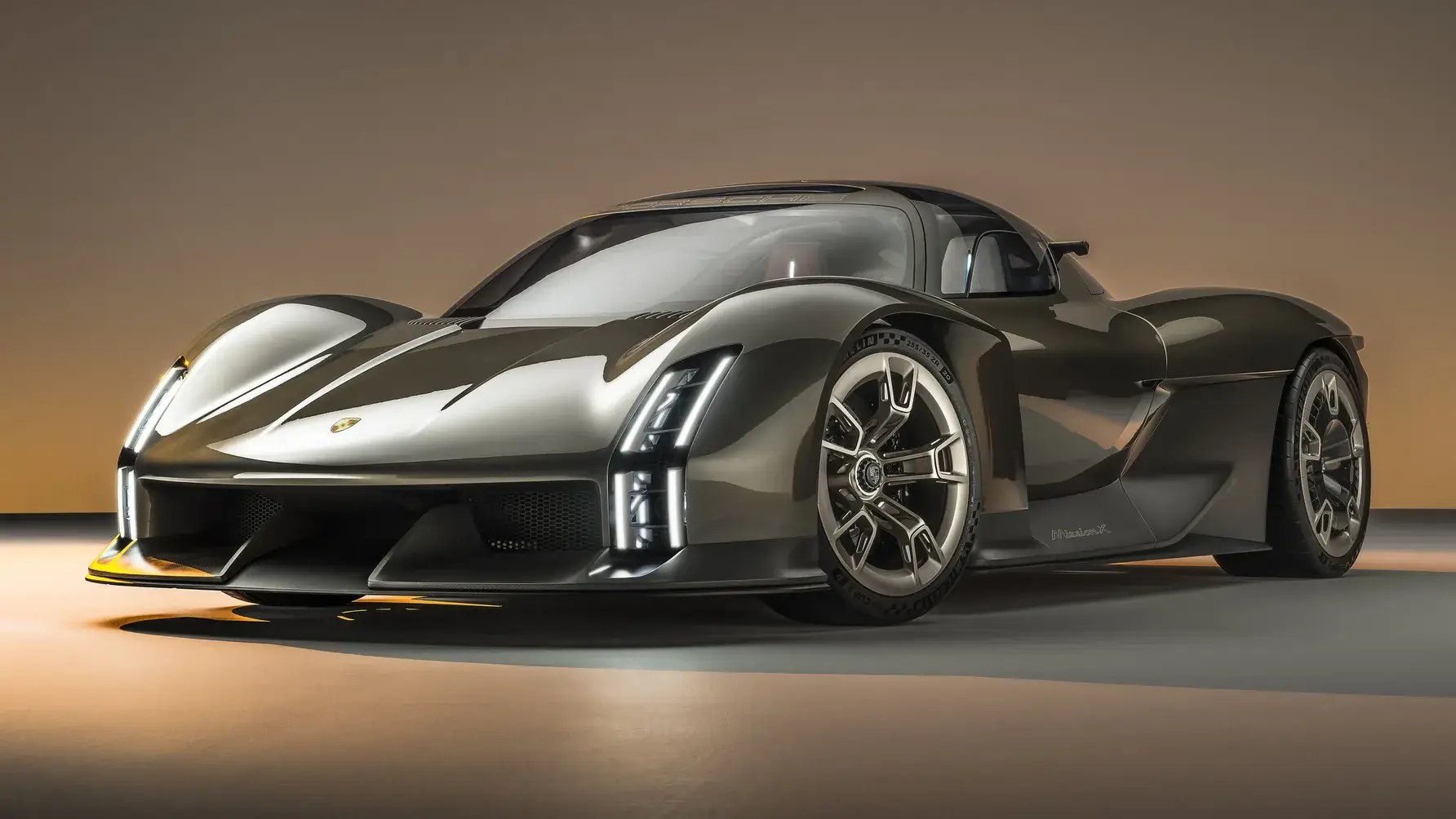
Porsche has flirted with this space before. The 918 Spyder proved the company could build a world-beating hypercar. The Mission X concept, revealed in 2023, was supposed to be its spiritual successor, a fully electric halo machine designed to plant Porsche’s flag in the battery-powered future.
That project now faces serious questions. Global appetite for six- and seven-figure EVs has softened considerably, and Leiters has signaled that powertrain ideology won’t dictate product decisions. If a twin-turbo hybrid makes the business case better than a battery pack, that’s what the car will get.
This pragmatism extends beyond the sports car portfolio. Porsche’s planned ultra-luxury SUV, originally conceived as an EV positioned above the Cayenne, is now expected to arrive with a combustion engine. The pivot tells you everything about where Leiters thinks the real demand sits.
The timing here is no accident. Porsche’s profitability crisis is rooted heavily in China, where the luxury market remains under intense pressure and aggressive EV pricing from domestic brands has reshaped the competitive landscape. A halo supercar doesn’t fix the China problem directly, but it does something arguably more valuable: it rebuilds the brand’s aspirational ceiling.
Every 911 Turbo S, every Cayenne GTS sold anywhere in the world benefits from having something untouchable sitting at the top of the pyramid. Ferrari understands this instinctively. Lamborghini learned it the hard way and recovered.
Porsche, for all its engineering brilliance, has let that apex position sit empty since the 918 went out of production in 2015. A decade is a long time to leave money and mystique on the table.
Leiters himself is the tell. You don’t hire a CEO with deep supercar DNA, a man who led vehicle development at Ferrari, to keep building better Macans. His background practically screams what Porsche’s next chapter looks like.
None of this will happen quickly. Porsche has warned that market conditions will remain difficult through at least 2026. But the company that once agonized over whether to build anything other than the 911 is now preparing to build something far above it. When your profits evaporate almost overnight, conservatism becomes the riskiest strategy of all.
Share this Story