
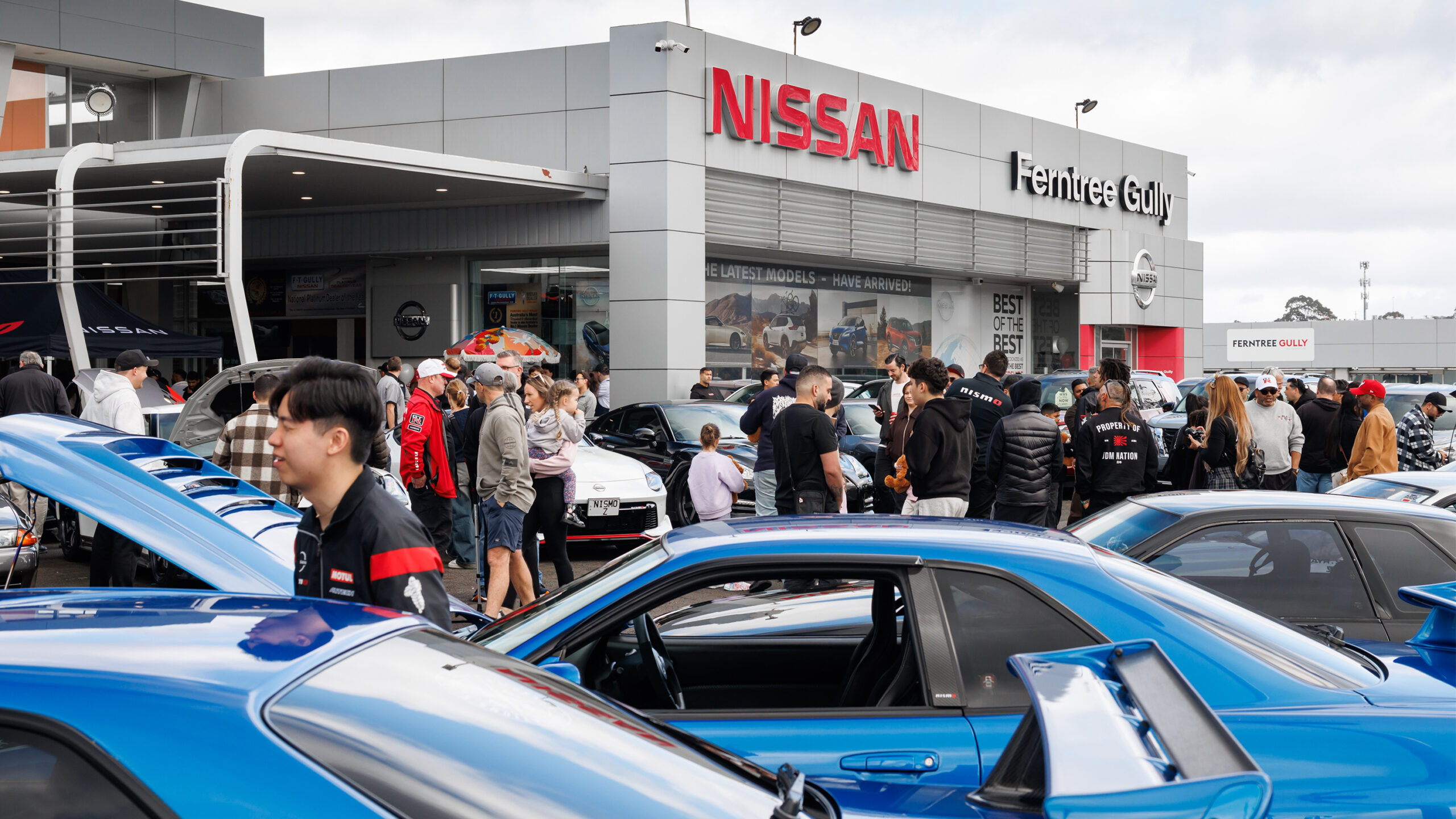


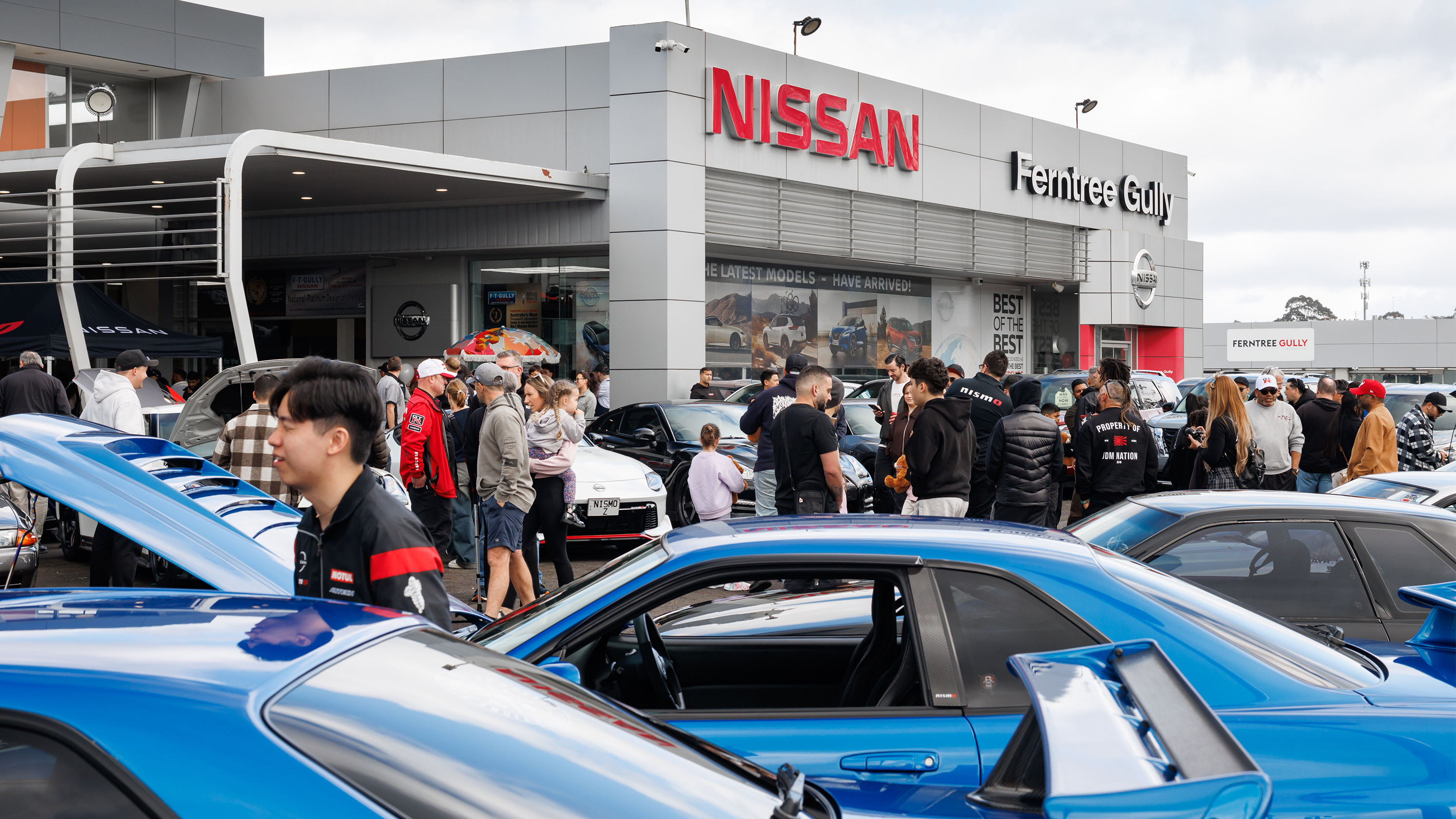
Nissan opened its first Nismo Performance Center outside Japan on Sunday, October 4th, in the Melbourne suburb of Ferntree Gully. A crowd of enthusiasts showed up to mark the occasion, which says everything about why Nissan picked Australia first.
The factory-backed facility will provide performance parts, heritage support, full restorations, and technical expertise for owners of Skyline GT-Rs, Z cars, and other Nissan performance models. Factory-certified technicians, branded as “Nismo Meisters,” will oversee operations. More locations across Australia and New Zealand are already in the pipeline.
This is Nissan reaching backward to move forward. The company stopped building the GT-R last year. The Z is the lone “enthusiast” car left in the lineup, yet here Nissan is investing in bricks-and-mortar infrastructure dedicated to cars it no longer manufactures.
The timing tracks with a broader Nismo announcement earlier in 2025 to expand its global restoration, restomod, and parts businesses. The initial focus lands squarely on the holy trinity of Skyline GT-Rs: the R32, R33, and R34. Additional models are expected to follow, though Nissan hasn’t specified which ones.
Yutaka Sanada, global head of the Nismo brand, framed the decision around market fit. “Australia is a natural priority because of its mature performance culture, strong GT-R community and clear appetite for authentic Nismo heritage,” he said via video message at the opening.
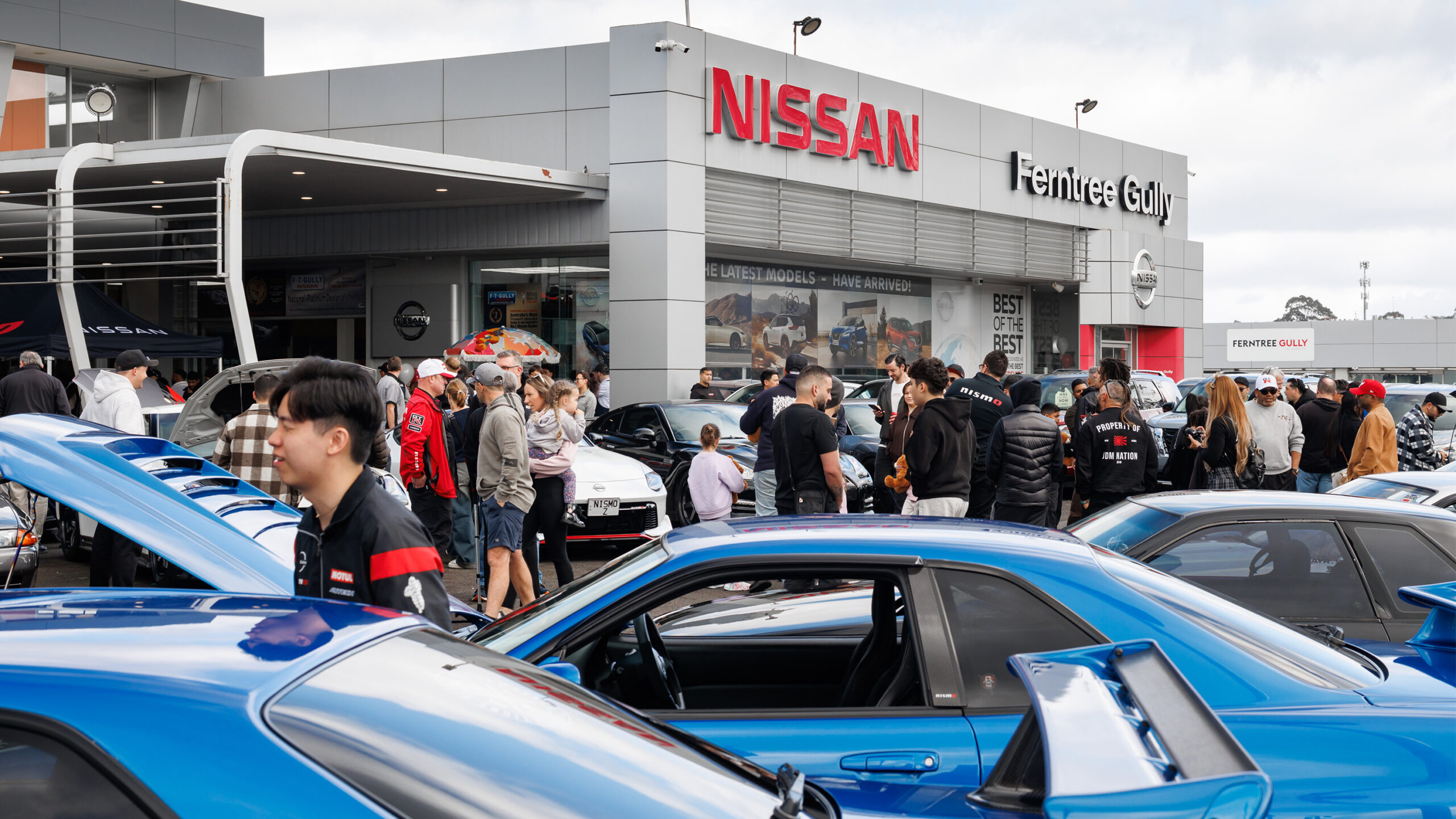
He’s not wrong about the appetite. R34 Skyline GT-Rs regularly trade for six figures in Australia. R32s and R33s have climbed steadily in value over the past five years. The collector market for these cars is hot, and owners want factory-correct parts and factory-level expertise, not guesswork from a general shop.
Nissan isn’t the first Japanese automaker to figure this out. Honda’s Heritage Works already offers factory-grade restorations for the original NSX. Toyota’s GR Heritage parts catalog covers the AE86 Levin and Trueno, classic Land Cruisers, and older Supras. All three companies are following a trail blazed years ago by Porsche Classic, Mercedes-Benz Classic, and Jaguar’s heritage division.
The difference is scale. European heritage programs serve a global clientele with deep pockets and established dealer networks. Japanese manufacturers are still building out their infrastructure. Nismo’s Melbourne center is a test case for how far the brand can push this model outside its home market.
What makes the Australian play interesting is what it reveals about where Nissan sees revenue. The company is struggling through a difficult period, with cost-cutting measures and leadership changes dominating headlines. Yet heritage and performance remain lines worth investing in.
Margins on restoration work and genuine Nismo parts are healthy, and brand loyalty among GT-R and Z owners borders on fanatical.
The Nismo Performance Center also functions as a hedge against the counterfeit parts market. As values of R32s, R33s, and R34s have soared, so has the flood of knockoff components. Offering authenticated, factory-sourced parts through a certified channel protects both the customer and the brand.
Nissan’s Nismo and Autech division was formally established in 2022, but its public-facing ambitions have only sharpened in the last year. Melbourne is the beachhead. Whether it becomes a network depends entirely on how many GT-R owners walk through that door in Ferntree Gully.
Share this Story