
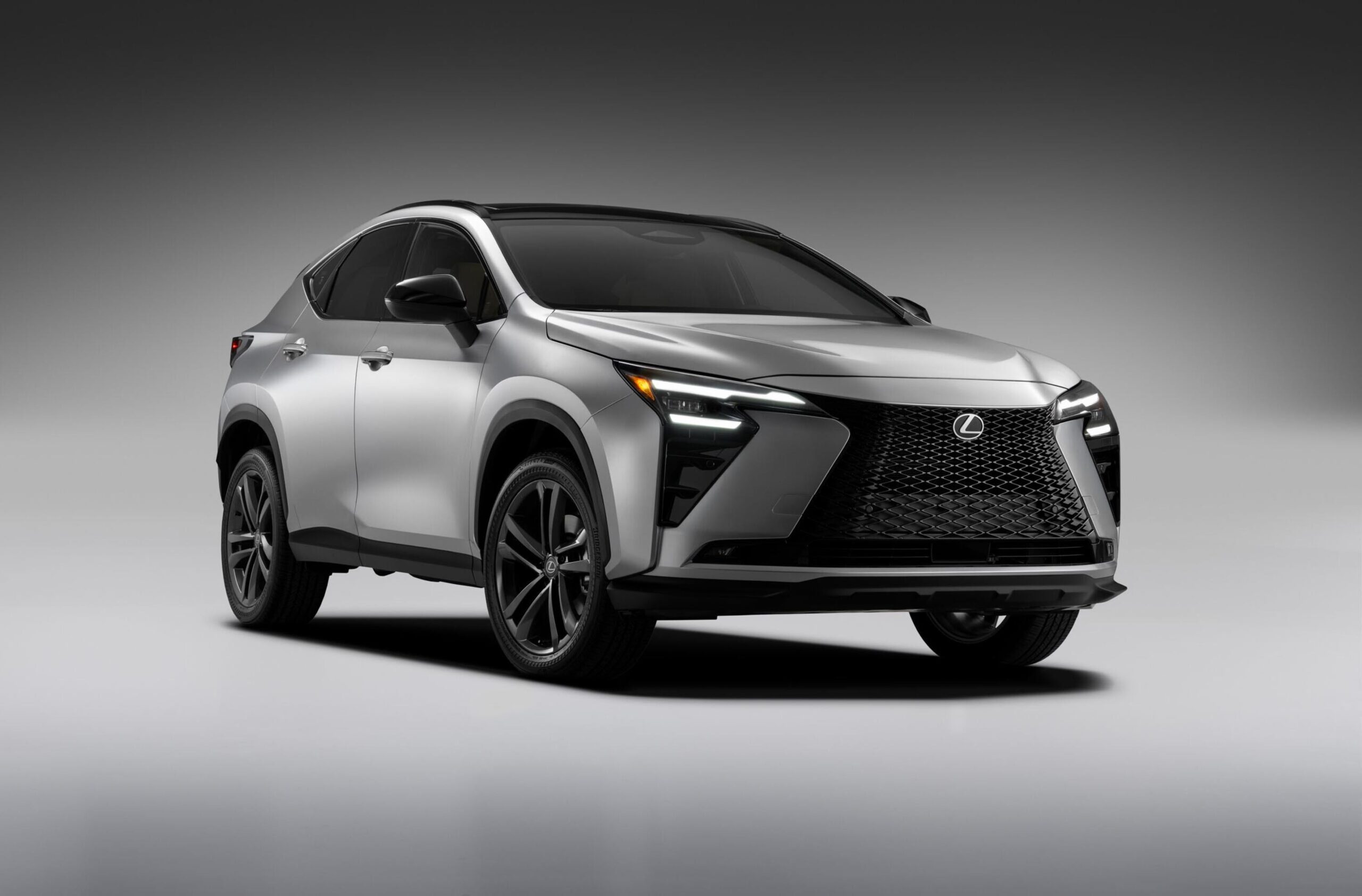


The turbocharged Lexus NX350 is dead. Lexus has axed the 275-hp turbo inline-four from its second-best-selling model in the U.S. and made the 2027 NX a hybrid-only lineup, offered exclusively as the NX350h or the plug-in hybrid NX450h+.
It is a quiet but telling move. Lexus is not asking buyers to choose between combustion and electrification anymore. It is choosing for them.
The standard NX350h pairs a 2.5-liter four-cylinder with a CVT and makes 241 horsepower, unchanged from last year. The real engineering went into the plug-in hybrid NX450h+, which picks up 20 more horses for a total of 322 hp thanks to a completely redesigned e-axle that bundles the transaxle, electric motor, and power control unit into one compact package.
The PHEV also gets a new lithium-ion battery with 30 percent more capacity, pushing estimated electric range from 33 miles to 40. DC fast-charging capability is new, too. Lexus claims a 6.0-second run to 62 mph, though the pre-facelift model hit 60 in 5.6 seconds in independent testing, so the real number should be quicker still.
Beyond raw numbers, Lexus says it rethought how the hybrid system deploys battery power. More juice hits the electric motor when you press the throttle, aiming for a more linear feel. The ECU has been reprogrammed to smooth the handoff between electric and gas power, a transition that has always been the Achilles’ heel of Toyota-family hybrids.
The chassis got serious attention. Lexus reoriented the battery cells from longitudinal to transverse, which the company says improved lateral body rigidity. The battery sits lower now, dropping the center of gravity. New floor cross members, reinforced suspension towers, and a redesigned engine-block casting all contribute to a stiffer structure with less road noise and vibration.
Even the non-adaptive suspension models benefit from new dampers with ultra-low-speed valves to keep the body flatter over rough pavement. The steering wheel shrinks by 0.4 inch in diameter, and a new variable-ratio rack promises quicker responses. A brake-based stability system now applies subtle braking during cornering to tame yaw and roll.
Inside, the changes are more dramatic than under the skin. A 14-inch touchscreen is now standard across every trim, sitting atop a redesigned dashboard that borrows its cleaner, more horizontal layout from the recently overhauled ES sedan. Climate controls migrate into the screen, the gear selector shrinks to a toggle switch, and the steering wheel trades the Lexus logo for spelled-out brand lettering.
Behind the wheel sits a 12.3-inch digital gauge cluster with a wider range of telescopic adjustment. Two new interior colors arrive, including Radiant Red exclusive to F Sport. The Luxury and F Sport trims gain a “Sensory Concierge” feature that coordinates lighting, fragrance, seat temperature, and music to create curated cabin moods. It is either a genuine wellness innovation or the most expensive aromatherapy candle in the segment.
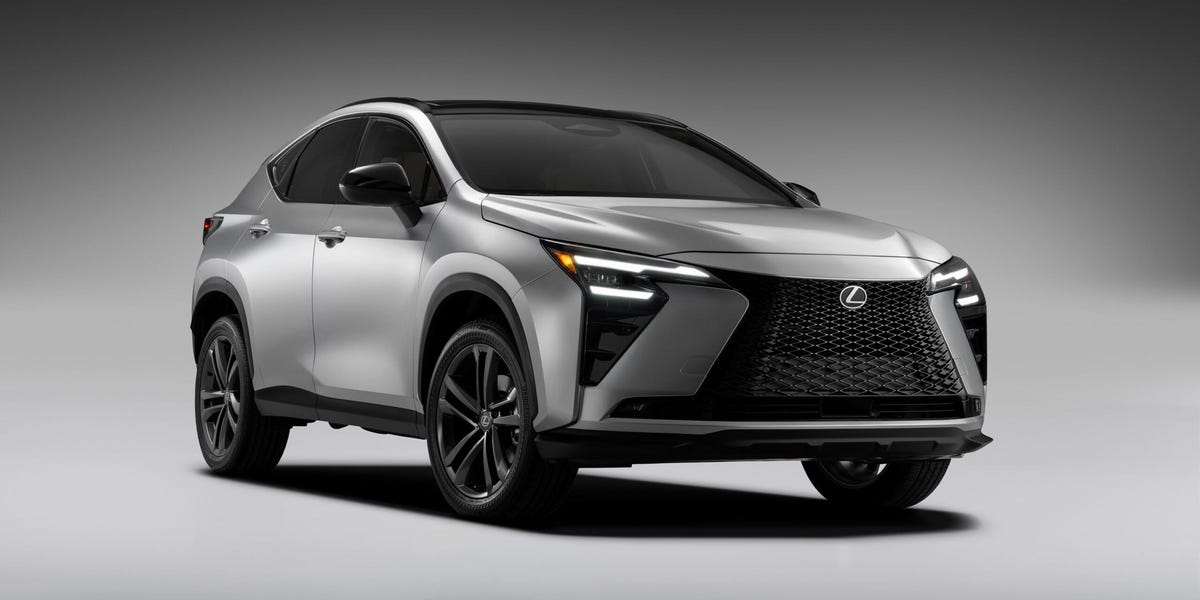
Outside, the NX keeps its silhouette but gets a more aggressive face. Headlights now connect directly to a wider grille, and the taillights wear new L-shaped graphics that span the rear fascia. Two new paint colors round out the visual refresh.
Safety tech steps up to Lexus Safety System+ 4.0 with automatic emergency braking, pedestrian detection, adaptive cruise, lane-departure assist, and a built-in dashcam as standard equipment.
The 2027 NX goes on sale before the end of this year. Pricing has not been announced, but the 2026 NX350h starts at $46,570 and the NX450h+ at $59,505. Both powertrains come in Premium, Premium+, F Sport, and Luxury trims, with front-wheel drive and all-wheel drive available on the standard hybrid.
Five years into its second generation, the NX now sits in a market where every luxury compact crossover is either electrified or scrambling to catch up. Lexus is betting that nobody walking into a dealership in 2027 will miss the turbo four. Whether the price bump that comes with hybrid-only trims tests that theory remains an open question.

Share this Story