
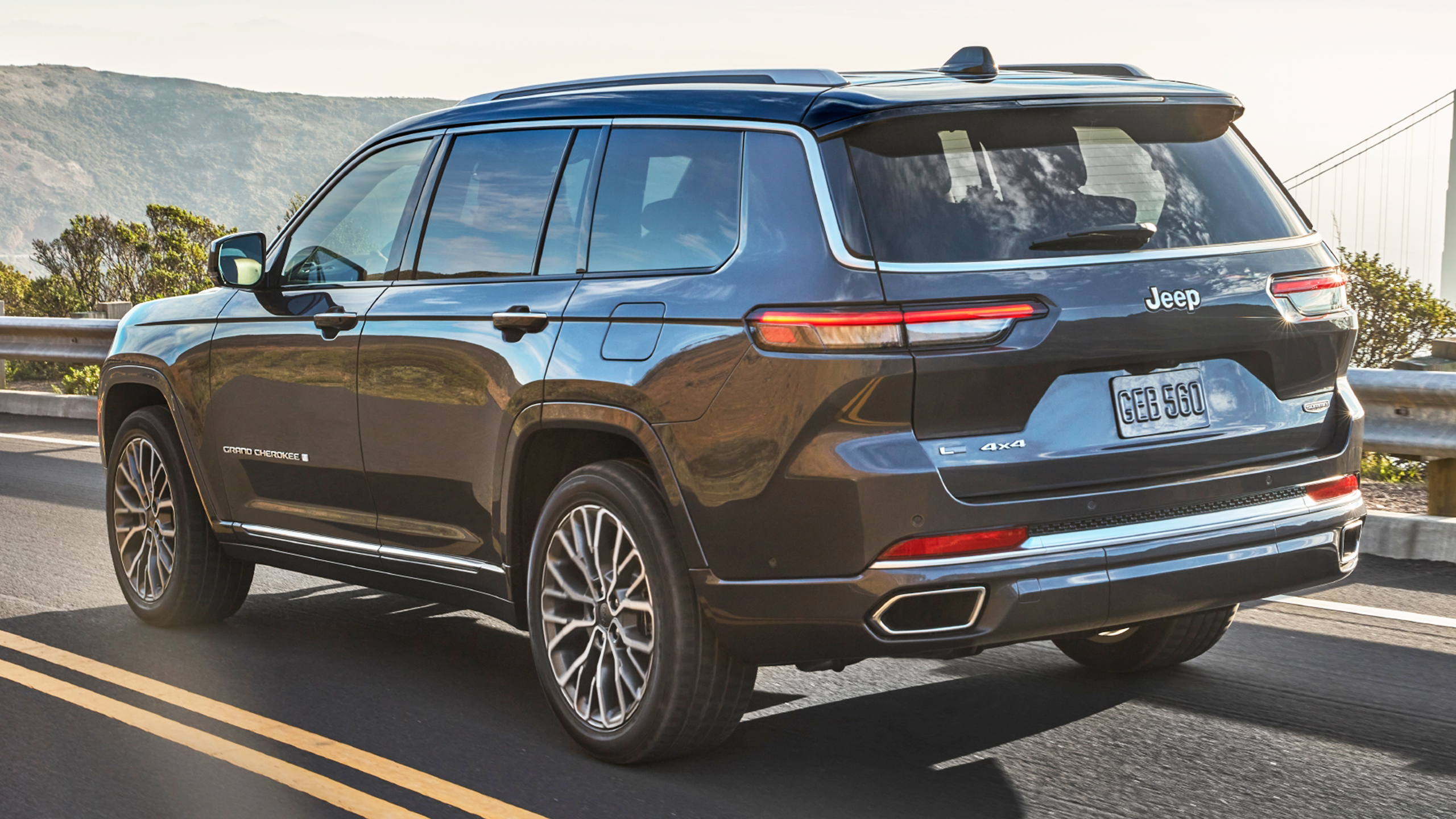


More than 200,000 Jeeps on American roads right now have tire pressure monitoring systems that may not work at all. No warning light. No alert. Just a quiet gauge reading normal while the rubber goes soft underneath you.
The recall covers a sprawling range of models and model years, from the 2024-2026 Grand Cherokee to the Wagoneer, Grand Wagoneer, and even a lone 2026 Cherokee built last December. A software defect can prevent the TPMS from detecting low tire pressure or triggering the dashboard warning lamp. That means these vehicles fail to meet Federal Motor Vehicle Safety Standard 138.
The Grand Cherokee is the epicenter. Some 113,647 units of the 2024-2026 model, built between February 2024 and June 2026, are affected. Another 57,456 Grand Cherokee L models from the same era are included.
The Wagoneer adds 16,456 units, and 3,046 Grand Wagoneers round out the bulk of the count.
Then there are the oddities. Just 526 Grand Cherokee PHEVs are involved. A single Grand Wagoneer L PHEV, built January 14, 2026, made the list.
So did exactly one 2026 Cherokee, assembled on December 17, 2025. Those tiny numbers suggest the software bug crept across production lines without regard for powertrain or trim level.
Stellantis has told its dealer network to update the TPMS software at no cost to owners. Notification letters are scheduled to go out starting September 29, 2026.
TPMS has been federally mandated on all new passenger vehicles since 2007. It was a direct response to the Firestone tire disaster of the early 2000s, when underinflated tires led to catastrophic tread separations and dozens of deaths. The whole point of the system was to remove human error from the equation.
When the monitoring itself fails silently, drivers who long ago stopped carrying a tire gauge are exposed to exactly the hazard the regulation was designed to prevent.
Low tire pressure is not a minor inconvenience. It degrades handling, extends braking distances, accelerates tire wear, and in extreme cases can cause blowouts at highway speed. The NHTSA estimates that underinflated tires contribute to roughly 11,000 crashes per year.
Jeep’s parent company has been busy on the recall front lately. Earlier this year, the brand issued a separate recall over coil springs that could detach, a fix that itself had to be redone after 406 claims proved the original remedy insufficient. That kind of track record makes the TPMS recall feel less like an isolated glitch and more like a pattern of quality control problems working their way through the Stellantis pipeline.
Owners of affected vehicles should confirm their VIN eligibility through NHTSA’s recall lookup tool or contact their local Jeep dealer. Until the software update is applied, the old-fashioned tire gauge in your glove box might be the only thing standing between you and a flat you never saw coming.



Share this Story