
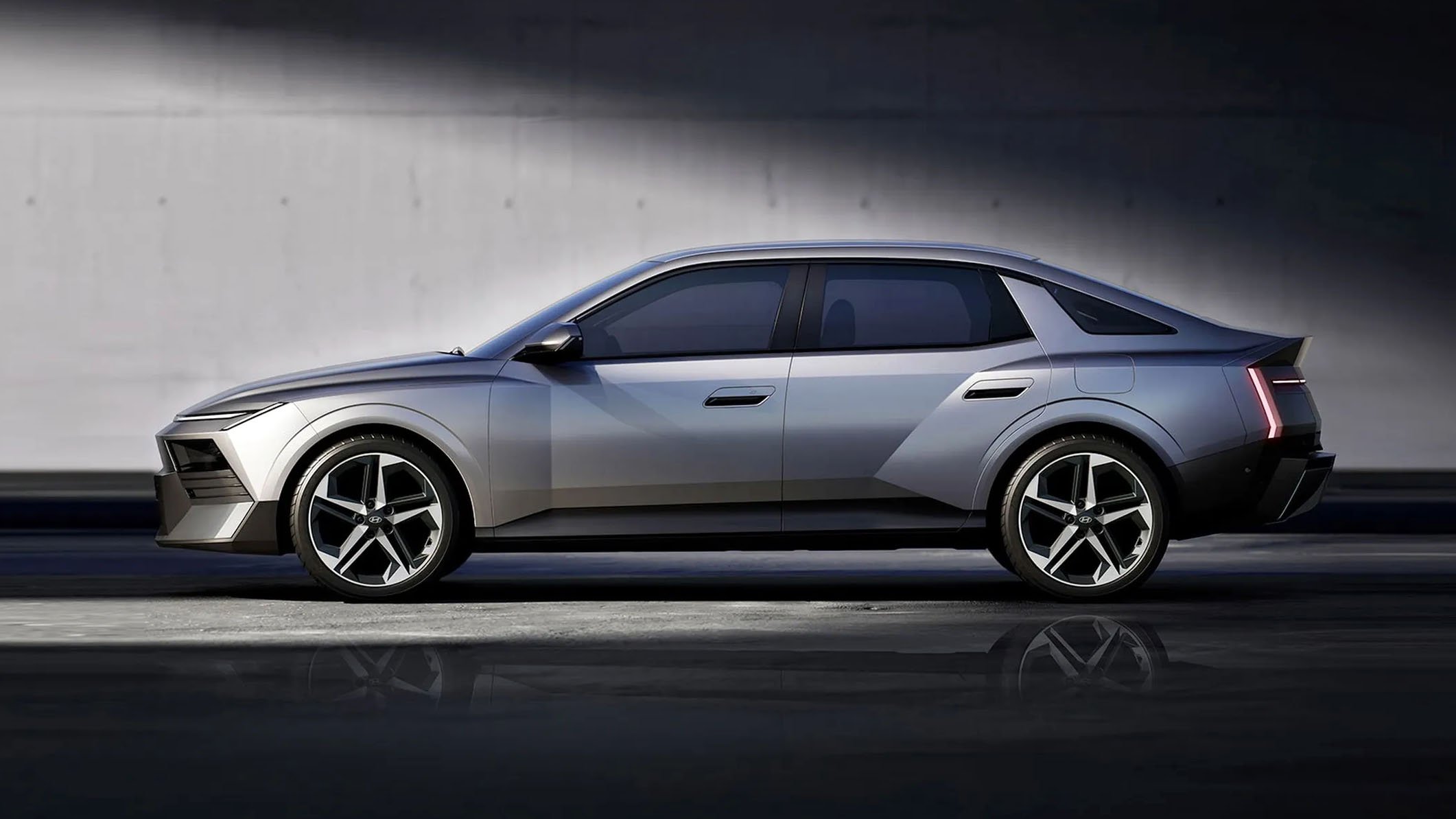


Hyundai just unveiled the next-generation Avante in Korea, and it looks nothing like the car it replaces. The compact sedan, known stateside as the Elantra, has absorbed design DNA from the Ioniq electric lineup, the latest Sonata, and even traces of the wild N Vision 74 concept that had enthusiasts drooling back in 2022. Korean showrooms get it within weeks, but Americans will have to wait until 2027.
That timing matters because Hyundai is dropping this redesign into a compact sedan segment most automakers have either abandoned or left to wither. Honda still sells the Civic. Toyota still sells the Corolla. Almost everyone else has walked away, chasing crossover margins.
Hyundai isn’t walking away. It’s pushing harder.
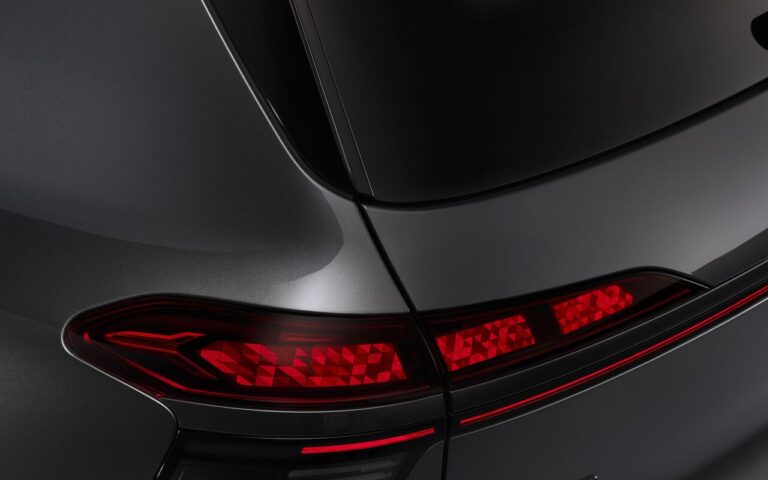
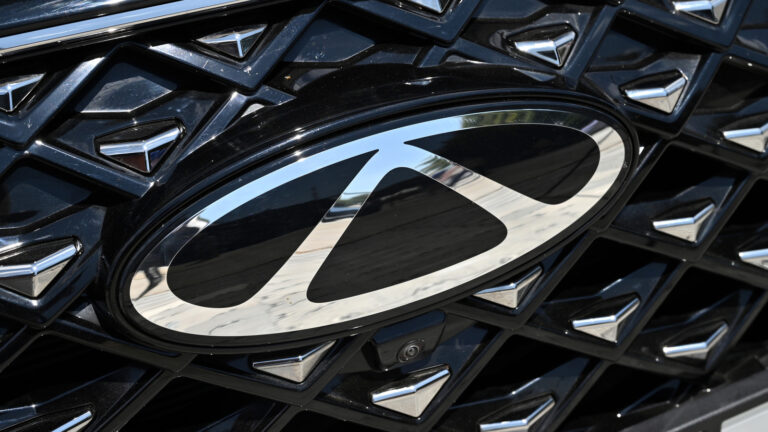
The design language migration is the real story here. Hyundai spent years building the Ioniq sub-brand into a credible, design-forward electric identity with sharp creases, parametric pixels, and a visual vocabulary that reads as distinctly Korean and distinctly modern. Now that language is bleeding back into combustion models.
The new Avante doesn’t look like a cheaper car borrowing upward. It looks like a company that finally has a unified aesthetic theory and isn’t afraid to apply it across the entire lineup.
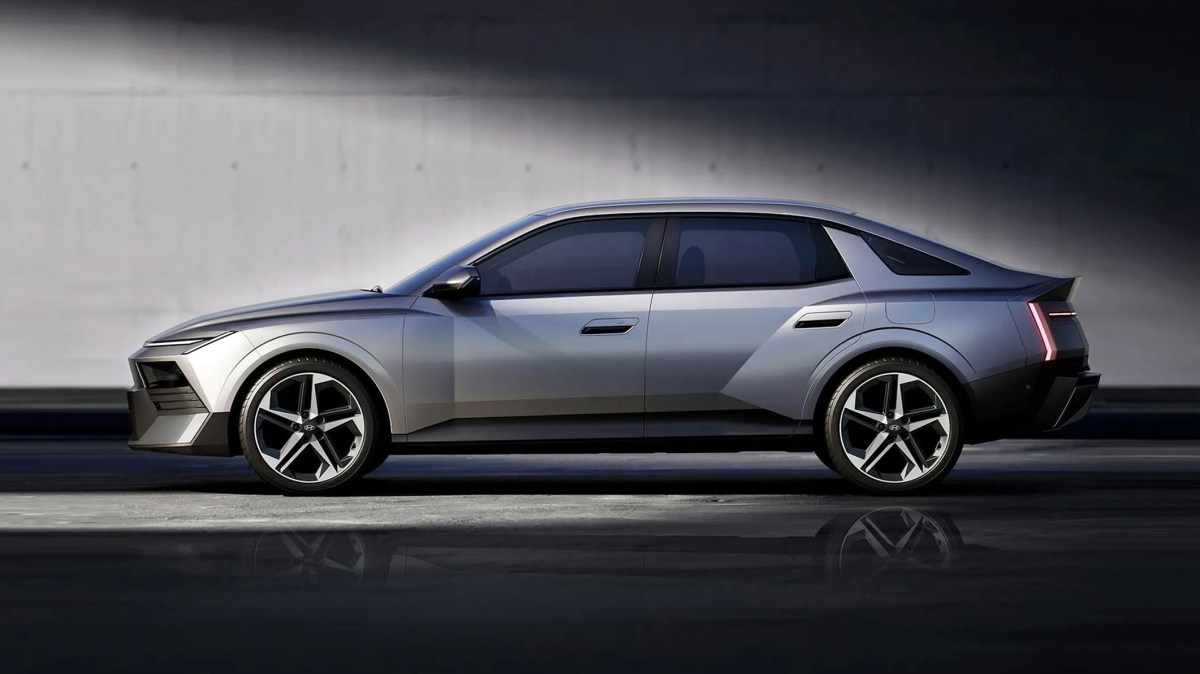
This approach contrasts sharply with competitors who’ve kept their EV and ICE design identities siloed, as if acknowledging they share a brand would somehow contaminate one or the other. Hyundai is betting coherence sells. Given that the Elantra consistently ranks among the best-selling sedans in the U.S., moving over 200,000 units annually in recent years, it’s a bet with real stakes attached.
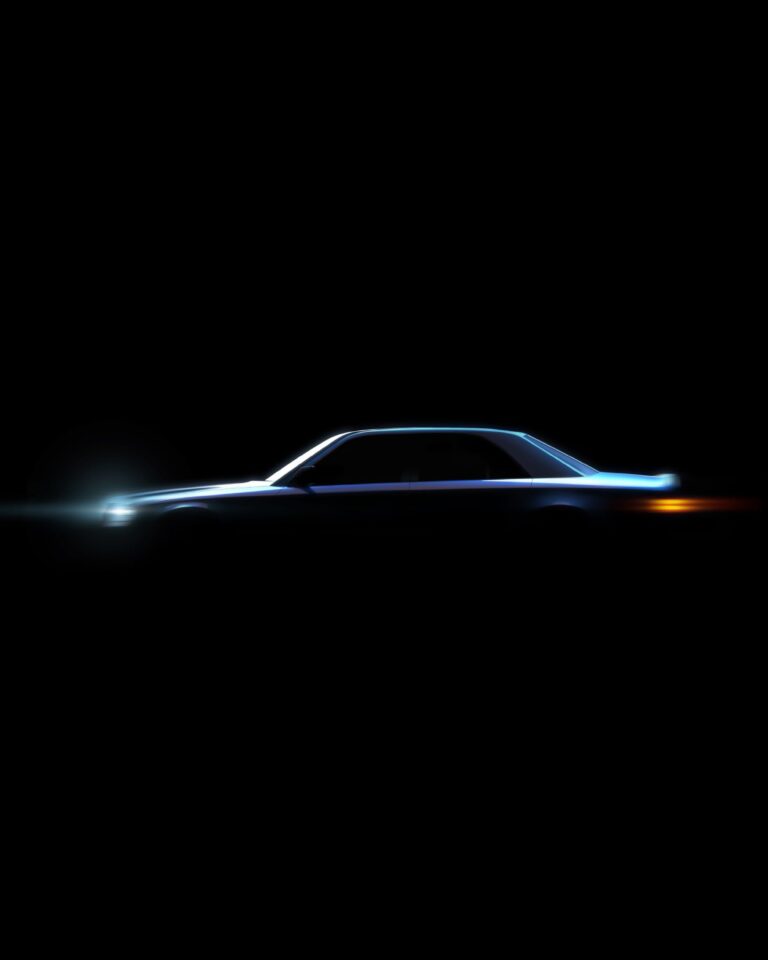
The N Vision 74 influence is a particularly interesting choice. That concept, a hydrogen-electric performance car inspired by the angular 1974 Pony Coupe, was never meant for production. But its aggressive shoulders and retro-futurist tension lines clearly left a mark on Hyundai’s design studio.
Filtering those cues into a sub-$30,000 sedan is ambitious, maybe even a little audacious.
Hyundai hasn’t detailed U.S. powertrain specifications yet, but the Korean-market Avante has historically offered a mix of naturally aspirated, turbocharged, and hybrid options. Given the tightening federal fuel economy targets the Elantra will face in 2027, expect electrification to play a larger role than it does in the current model.
Hyundai’s broader momentum makes this launch feel less like a routine model cycle and more like a statement of intent. The company has been gaining U.S. market share relentlessly, climbing past established players who got comfortable. Its quality scores have improved, its residual values have climbed, and the Genesis luxury division now regularly embarrasses German rivals in comparison tests.
A redesigned Elantra that looks this aggressive is Hyundai telling the market it isn’t content to coast on crossover profits while sedans die quietly. Plenty of automakers killed their sedans and never looked back. Hyundai looked at that trend, disagreed, and designed something that might actually make people care about compact sedans again.
Whether the production U.S. version retains the concept-influenced edge of the Korean reveal remains to be seen. But Hyundai has earned enough credibility in recent years that skepticism feels less warranted than it once did. The company has a habit of delivering on its promises, which is more than most of its competitors can say right now.

Share this Story