


Hyundai Motor Group told investors Wednesday it plans to grow North American sales past 1.44 million units by 2030, a jump of more than 20 percent. The plan does not hinge on reinventing the wheel. It hinges on finally building one for segments Hyundai has ignored for decades.
CEO Jose Muñoz laid it out with the bluntness of a man who has done the math and likes what he found. Pickups, light commercial vehicles and large SUVs are the biggest gaps in the markets that pay the best,” he said. We are simply taking what we already build to places where we currently do not sell.
The company pegs those uncovered segments at 26 million units annually worldwide. That is roughly 30 percent of the market where Hyundai has had no horse in the race, and by Muñoz’s own admission, all of it carries fat margins.
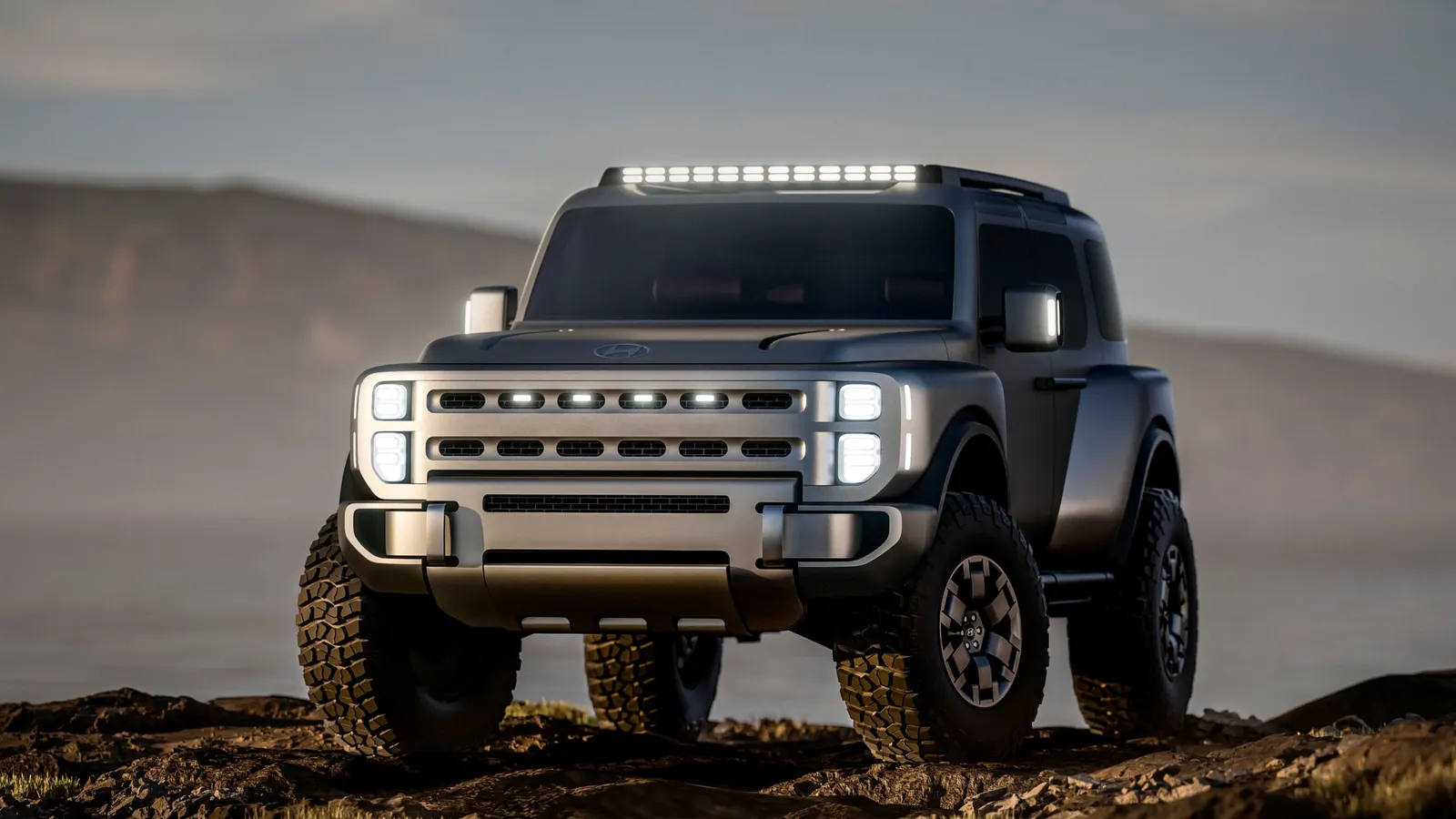
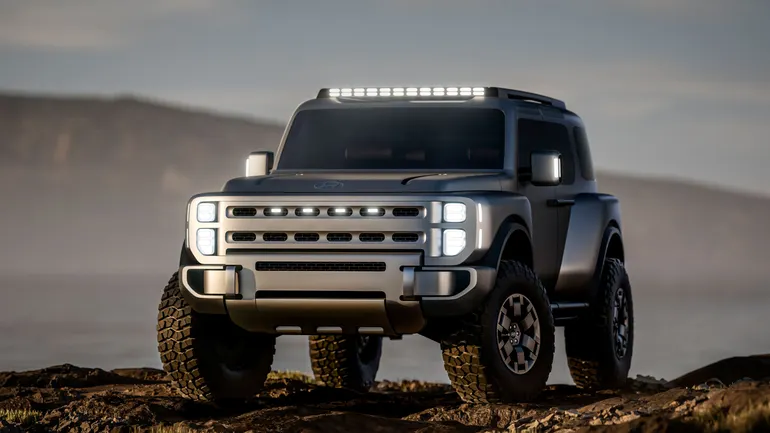
Start with the body-on-frame push. The Boulder concept SUV shown at the New York Auto Show in April was not a flight of design fancy. Muñoz confirmed the architecture behind Boulder, Ioniq Earth, and Crater is “funded and in development.”
That is corporate speak for shovels in the ground. Hyundai is going after the Toyota 4Runner and Ford Bronco crowd with real hardware, not renderings.
Then there are the extended-range EVs. The three-row Santa Fe EREV, built in Alabama, arrives early 2027 with a claimed 600-plus miles of combined range from a two-motor system. A Genesis EREV follows on similar timing.
Muñoz framed it as a practical concession: “For a customer who wants the EV experience without changing how they refuel, we now have an answer, and it’s made in America.” That last phrase carries weight in the current tariff environment.
Hyundai is pushing hard on localization, targeting 500,000 units of North American production capacity as part of a broader 1.27 million global build plan. Alabama and the Georgia Metaplant will carry the load.
The hybrid math tells its own story. Hyundai went from 8 percent hybrid mix in North America to a projected 25 percent this year. By 2030, the company says hybrids will account for half of its regional sales across more than 10 models.
That is a faster pivot than most rivals have publicly committed to. It reads like Hyundai watched Toyota print money with RAV4 hybrids for a decade and decided the waiting was over.
Between now and 2030, Hyundai plans 36 new or refreshed models for North America. Genesis gets 22. That is a staggering cadence, roughly one new product every ten weeks across both brands.
Execution at that pace will test supplier relationships and plant flexibility in ways no investor slide can predict. The global target is equally ambitious: a 35 percent sales increase over 2025 levels.
Muñoz’s strategy is less about chasing trends and more about filling holes that have been obvious for years. Hyundai never had a real truck. It never had a credible off-roader. It barely competed in the luxury utility space where Genesis should have been printing profits.
The question is not whether these segments are profitable. They are. The question is whether Hyundai can break into them against entrenched players who have owned the space for generations.
Ford, Toyota, and GM do not tend to share their most lucrative turf without a fight. Muñoz seems to be betting that speed and breadth will compensate for brand equity he has not yet earned in those categories.
The funding is committed. The factories are building. Whether the customers follow is the part no spreadsheet can guarantee.
Share this Story