
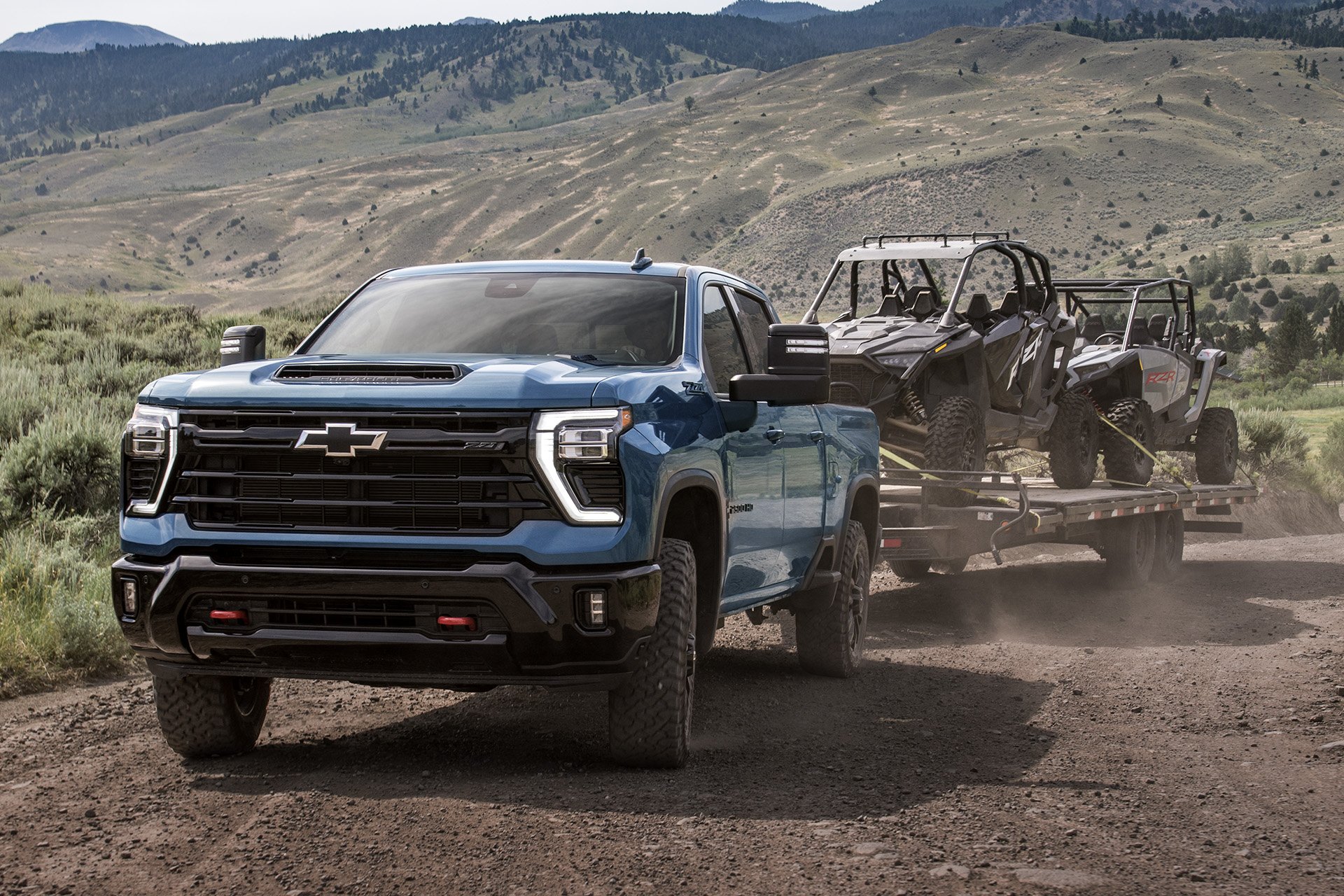


General Motors killed the 4.5-liter “baby Duramax” during the 2008 financial crisis. Nearly two decades later, one of that canceled engine’s most forward-thinking features has resurfaced in GM’s biggest diesel ever.
The new 8.3-liter Duramax, internally codenamed “Mongoose,” makes 555 horsepower and 1,230 lb-ft of torque. It can tow up to 38,000 pounds in a properly equipped Chevy Silverado 3500HD or GMC Sierra 3500HD. But buried in the press release is the detail that actually tells a story: the Mongoose uses a compacted graphite iron block.
That same material was a cornerstone of the LMK Duramax, the 4.5-liter diesel V8 that GM developed for half-ton trucks before the recession wiped it off the production schedule. Gale Banks, the legendary diesel tuner who examined the LMK closely, singled out its CGI block as one of the engine’s most advanced features at the time.
Compacted graphite iron is stronger and lighter than the cast gray iron GM has been using in the outgoing 6.6-liter Duramax. On a microstructural level, CGI’s rounded, worm-like grain structure handles stress better than the sharp, flake-like structure of traditional gray iron. It withstands higher cylinder pressures, offers a superior fatigue limit, and shaves weight.
When you are building an 8.3-liter monster, every pound you can trim from the block matters. Ram’s 6.7-liter Cummins already uses a compacted graphite iron block. So this is not a technology breakthrough so much as GM finally catching up to a material science decision it had the foresight to make in 2007 and then abandoned before it reached a showroom.
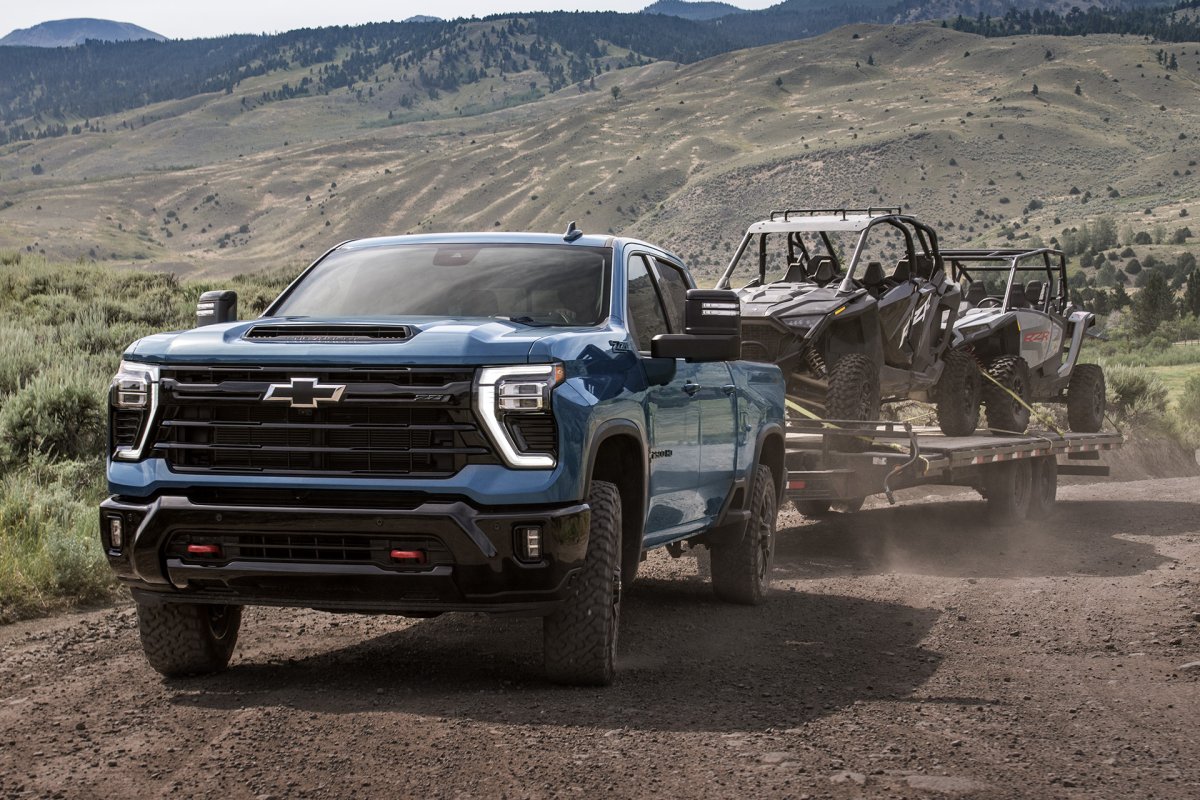
The LMK was packed with ideas that looked exotic for a pickup truck engine. A hot-vee turbocharger layout. Split-cap main bearings. The CGI block. All of it vanished when GM went through bankruptcy.
The new 8.3-liter borrows the block material but not the hot-vee turbo design. Its turbocharger sits snugly near the valley between the cylinder banks without truly qualifying as a hot-vee arrangement.
What makes this thread worth pulling is the timeline. GM had this technology ready for a mass-market pickup nearly 20 years ago. The financial crisis intervened, and GM spent the next decade and a half building Duramax engines with conventional gray iron.
The company shelved its own progress, then watched competitors adopt the same material in the interim. Now the Mongoose arrives as the largest displacement diesel engine in the heavy-duty pickup segment, wrapped in a block material GM pioneered for trucks but never got to market first. It is a strange kind of vindication for the engineers who designed the LMK.
The 2008 collapse didn’t just cost GM money. It cost the company years of technical leadership.
The real question is whether 8.3 liters signals a broader industry shift toward larger displacement diesels, or whether GM is simply muscling past the competition with cubic inches while everyone else refines what they already have. Ford and Ram have not hinted at upsizing their own powertrains, at least not yet.
GM says it destroyed the LMK prototypes. Journalists recently found a survivor. The baby Duramax, it turns out, is harder to kill than GM intended, and its DNA is now living inside the biggest diesel the company has ever bolted into a pickup.
Share this Story