


General Motors pulled in $48 billion in net revenue during the second quarter of 2026, a healthy jump from $43.6 billion in Q1 and a slight uptick from the same period last year. The headline number looks solid. The margins tell a different story.
Operating profit fell from $4.3 billion to $3.9 billion quarter over quarter. Margins slid from 9.7% to 8.2%. The culprit: $2.3 billion in charges tied to what GM politely calls the “ongoing realignment” of its electric vehicle business, which is corporate speak for still paying the bill on a massive strategic U-turn.
This isn’t a new wound. In 2025, GM posted a 55% year-over-year decline in net income, hammered by over $7 billion in EV-related charges, including $6 billion in Q4 alone. The Ultium platform bet, the factory conversions, the battery partnerships — all of it unwound at enormous cost.
The bleeding continues into 2026, though CFO Paul Jacobson promised on Tuesday’s earnings call that losses should improve by $1 billion to $1.5 billion for the full year.
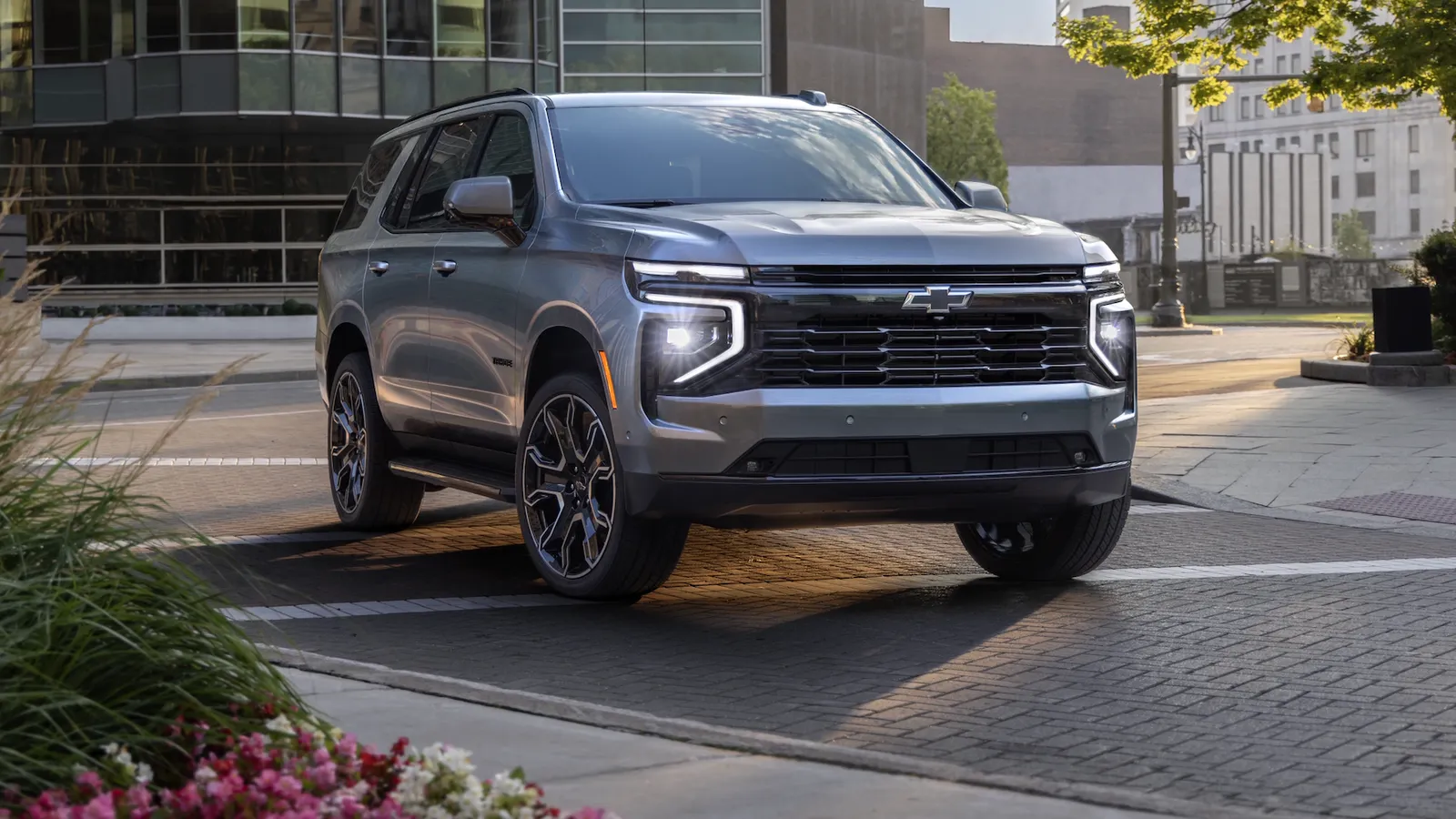
What’s keeping GM upright is the thing that has always kept GM upright: trucks. Full-size pickups and SUVs are generating the cash that absorbs the EV writedowns. CEO Mary Barra said GM holds more than 42% of the U.S. full-size pickup market through the first half of 2026, a lead she pegged at over 10 percentage points above the nearest competitor.
Fleet sales hit a five-year high. Government sales reached levels not seen since 2009. The truck franchise isn’t just performing — it’s subsidizing a corporate restructuring.
Q2 vehicle sales totaled 714,896 units, down 4%, which GM attributed to a shrinking EV market, discontinued models, and inventory constraints. The smaller EV market is worth lingering on. GM spent years and billions positioning itself as an EV leader, and now it’s citing a contracting EV market as a reason for lower volume while simultaneously writing down the assets it built to serve that market.
Jacobson struck a tone of finality. “I’m proud to say that we believe these actions substantially complete the material cash charges we expect to incur as we align our EV capacity and manufacturing footprint with changes in regulatory policy,” he said. That’s a carefully constructed sentence designed to signal a corner being turned. Whether investors buy it depends on whether Q3 charges actually shrink.
Despite the margin compression, GM raised its full-year adjusted EBIT guidance to $14 billion to $16 billion, up from $13.5 billion to $15.5 billion. The confidence comes from the product pipeline. The redesigned Chevrolet Silverado and GMC Sierra light-duty pickups arrive at dealers in December.
Orion Assembly, once the flagship of GM’s EV manufacturing ambitions, is being converted to build full-size ICE trucks and SUVs starting early 2027. That’s part of a $4 billion investment in three U.S. plants announced last June. GM also flagged inflation and onshoring costs as margin headwinds, a pressure that won’t ease anytime soon.
The math here is brutal but straightforward. GM’s most profitable products are carrying the company through a period of self-inflicted financial damage. Trucks built the cash pile, EVs burned through it, and now the factories built for EVs are being retooled to build more trucks.
The circle closes, but the billions already spent don’t come back. Jacobson said the investments GM is making now will position it to grow revenue, gain market share, and improve profitability in 2027. The reality is that GM is spending 2026 cleaning up the wreckage of 2025 while leaning harder than ever on the internal combustion vehicles it once pledged to leave behind.


Share this Story