
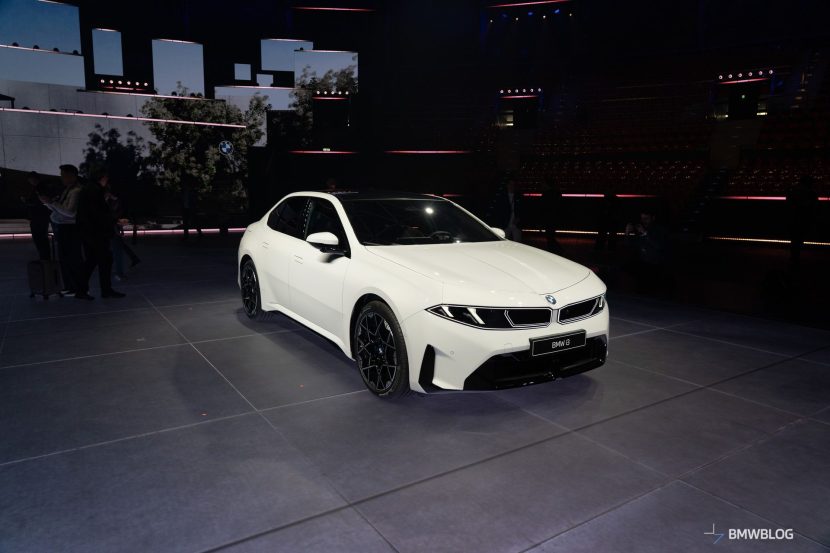


One in four BMWs sold in Europe during the first half of 2026 was a battery electric vehicle. The precise figure sits at roughly 28 percent, a record for the Munich automaker and a number that finally gives the Neue Klasse platform something to show for itself beyond concept car renderings and factory ribbon cuttings.
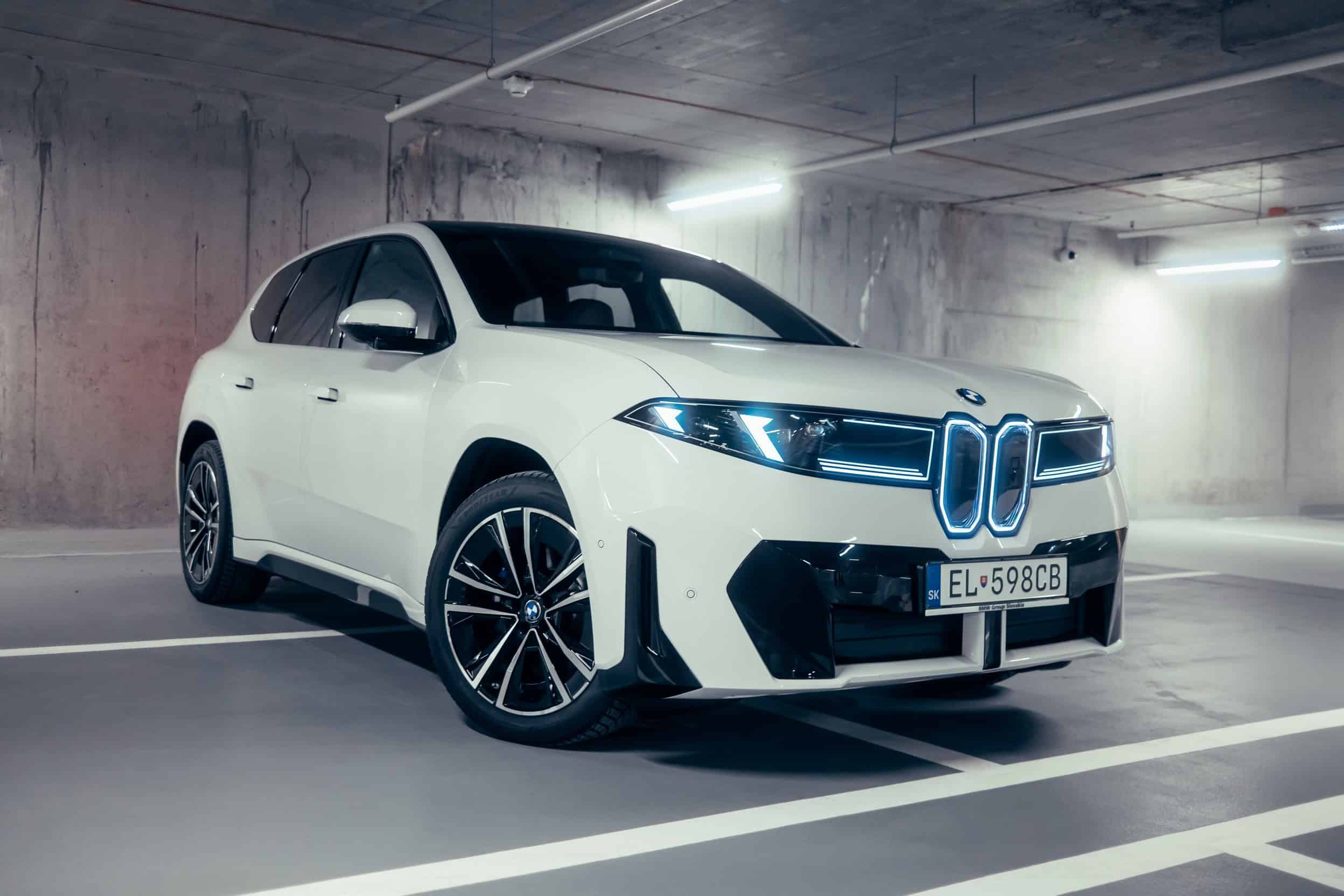
The iX3, BMW’s first production Neue Klasse model, is approaching 100,000 orders and has already surpassed 50,000 units built at the company’s new Debrecen plant in Hungary. Production started less than a year ago. The i3 sedan, which rolled off the Munich assembly line earlier this month, is reportedly seeing “high demand,” though BMW conveniently declined to attach any hard numbers to that claim.
Those two models alone didn’t get BMW to 28 percent. The company already fields a deep roster of older-platform EVs, from the iX1 to the i7, that collectively padded the scorecard. But the Neue Klasse entries are clearly pulling the average upward at a time when Europe’s broader EV market hit 22.2 percent penetration across the EU, UK, and several smaller markets.
Gas prices across Europe sitting at historic highs have done much of the persuading that no marketing campaign ever could. Consumers are not converting to EVs out of idealism. They are doing arithmetic at the fuel pump.
BMW is not slowing down. The iX5 just debuted, and the iX4 is expected to break cover within weeks. Next year brings the i3 Touring wagon and iX7 full-size SUV.
Beyond that, the pipeline gets even more aggressive: an iX6 rumored for 2028, then an i1 hatchback and i2 sedan before the decade closes out. Those last two compact models could be the real volume play, targeting price points where EV adoption has the most room to grow.
Even the existing lineup is getting rebuilt from underneath. The iX1 is reportedly skipping its typical mid-cycle facelift and jumping straight to a next-generation model on a rear-drive Neue Klasse platform with cylindrical batteries. That is a radical departure from the current front-drive UKL2 architecture, and spy shots already show a transformed exterior and the nearly buttonless iDrive X cockpit.
The iX2 may not get the same treatment. Reports suggest its 2027 update will adopt Neue Klasse styling cues but retain its existing underpinnings, meaning no sixth-generation battery cells or new electric motors. It is a cost-driven decision that reveals where BMW is willing to invest deeply and where it is content to apply cosmetics.
The i5 facelift, also due in 2027, is expected to benefit from BMW’s partnership with Croatian battery specialist Rimac. The collaboration already shaped the i7 facelift’s new battery pack. Whether the i5 gets cylindrical cells or sticks with prismatic ones remains unclear, but higher energy density should deliver meaningful range improvements either way.
BMW’s 28 percent figure in Europe looks strong against the industry average, but it also exposes how dependent the number is on a single region with uniquely favorable conditions for EV adoption. High fuel costs, dense charging infrastructure, and aggressive regulatory pressure all tilt the European market toward electrification in ways that the U.S. and China do not replicate.
The real test comes when the i1 and i2 arrive and BMW has to prove it can sell affordable electric cars at volume. Not just premium SUVs and sedans to early adopters willing to pay a premium. That part of the story has not been written yet.

Share this Story