
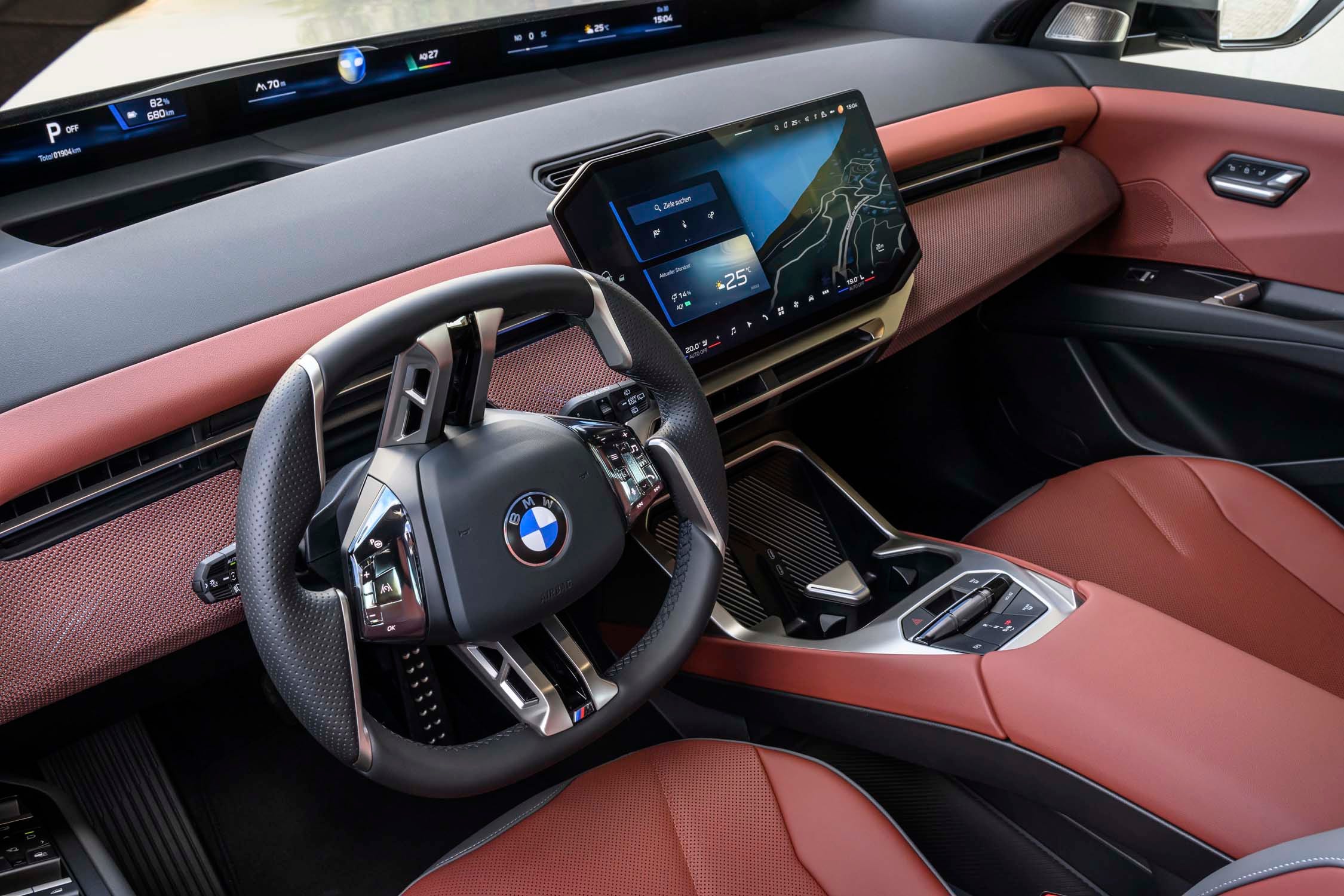


Vikram Pawah, the CEO of BMW Group Australia, told CarExpert that buyers under 45 prefer touchscreens and voice commands to physical controls. That, according to him, is why the new Neue Klasse platform feels like an iPad glued to a steering wheel.
Step inside the 2027 BMW iX3 and try adjusting the climate. You’ll be swiping through a screen. Nearly every function that once lived under your fingertips on a tactile knob or rocker switch now requires navigating a digital menu.
A few physical controls survive in the center console. The window switches still sit on the doors. BMW deserves no medal for that.
“We can see that voice and touch are becoming more and more common,” Pawah told CarExpert. “Maybe it’s a generational thing as well. You would see that a lot of the younger generation, maybe 45 or below, they’re tapped into these technologies at a faster pace, using voice, using touch.”
Forty-five is the cutoff for “younger generation” now, apparently. A demographic that includes people with mortgages, teenage children, and reading glasses.
Pawah went further, describing these customers as impatient multitaskers. “They want things done quickly, and they’re multitasking,” he said. “And we have to keep that in mind. That’s how customers are evolving.”
Multitasking. Behind the wheel. The executive framed distracted driving behavior not as a problem to solve but as a customer preference to accommodate.
BMW built its reputation on driver engagement, on the idea that the person holding the wheel was doing one thing and doing it well. Now the pitch is that drivers want to do several things at once, and the car should help them.
The pivot is not unique to BMW. Tesla has run screen-only interiors from the start. Mazda, once a holdout for clean ergonomics, has drifted toward more screen-based controls, and Mercedes-Benz has done the same with its layered MBUX menus.
But blaming the customer is a convenient shield. Touchscreens are cheaper to produce than arrays of precision-machined buttons, switches, and dials. A single screen can be reprogrammed over the air, reduces parts count, simplifies assembly, and cuts supplier costs.
Those are engineering and margin decisions, not generational mandates.
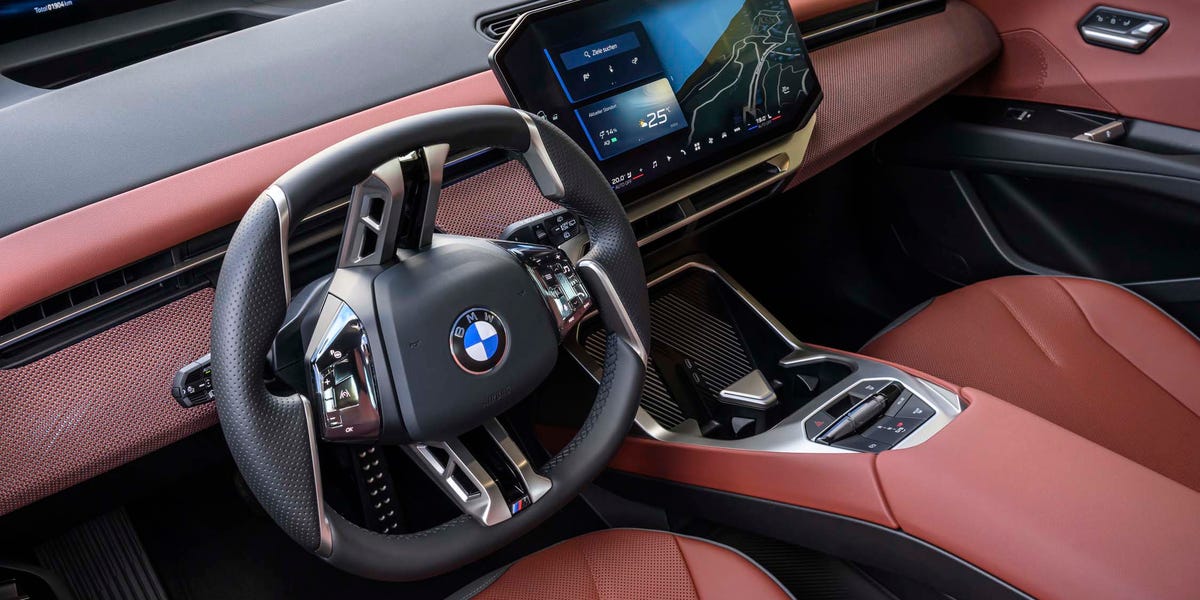
Euro NCAP started penalizing cars for burying critical functions in touchscreens back in 2024. Safety researchers have documented the additional seconds of eyes-off-road time that screen interactions demand compared to a physical toggle you can find by feel. Pawah’s own language about multitasking customers sits uncomfortably alongside any automaker’s stated commitment to occupant safety.
“A car is not a stand-alone piece,” Pawah said. “It’s part of what’s happening around you in society.”
That philosophy treats the car as a consumer electronics platform rather than a machine that moves human bodies at highway speed. The company that once marketed “The Ultimate Driving Machine” now positions itself as part of a broader digital lifestyle ecosystem. It is a tell.
BMW still makes cars that handle with precision. The Neue Klasse platform promises better range, sharper dynamics, and a more efficient architecture. None of that is in question.
What is in question is whether stripping physical controls and then pointing at young people as the reason counts as a product philosophy or an excuse. Pawah said understanding the shift makes it easier to comprehend what comes next. He may be right about that, just not in the way he intended.

Share this Story