
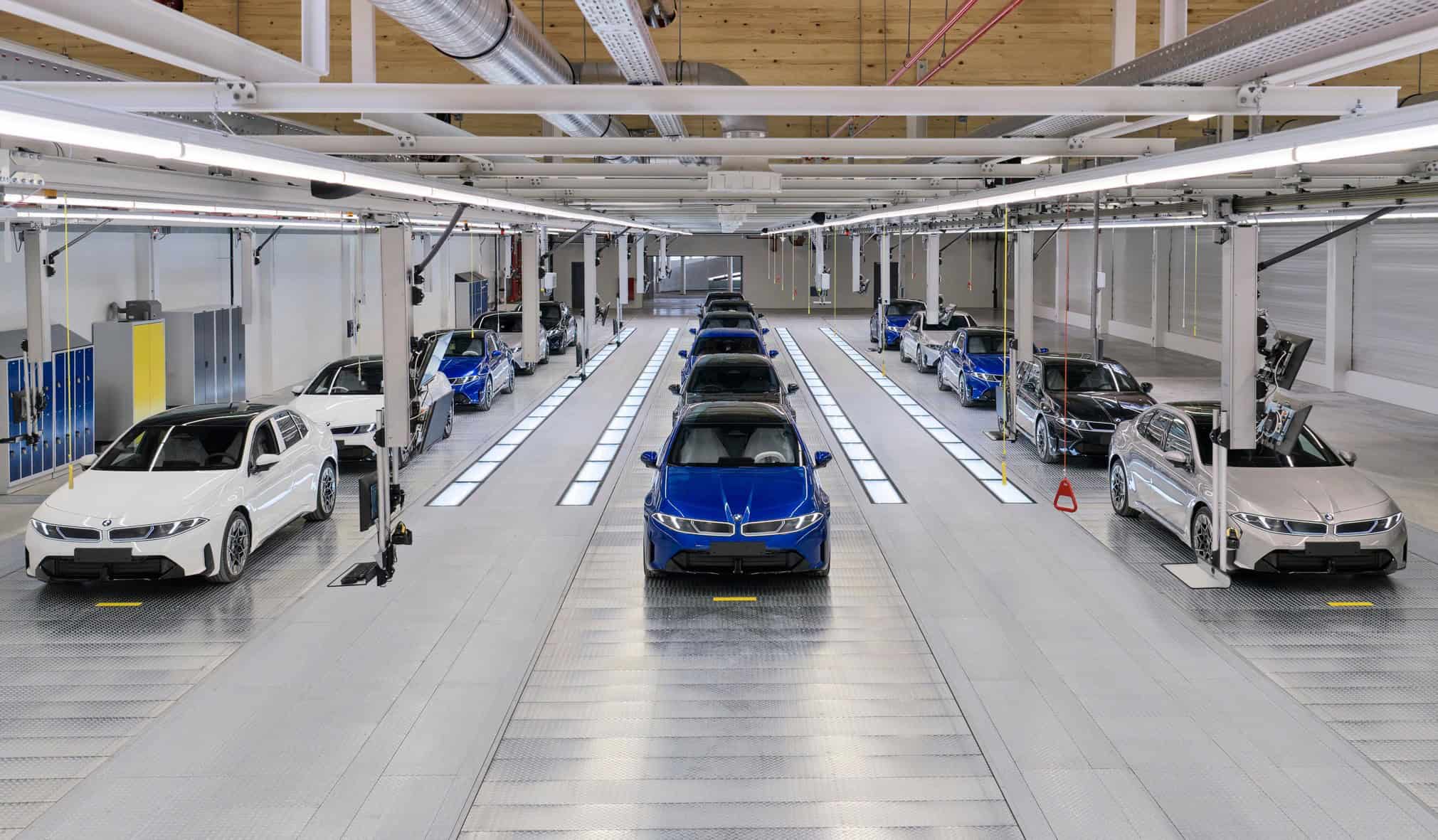


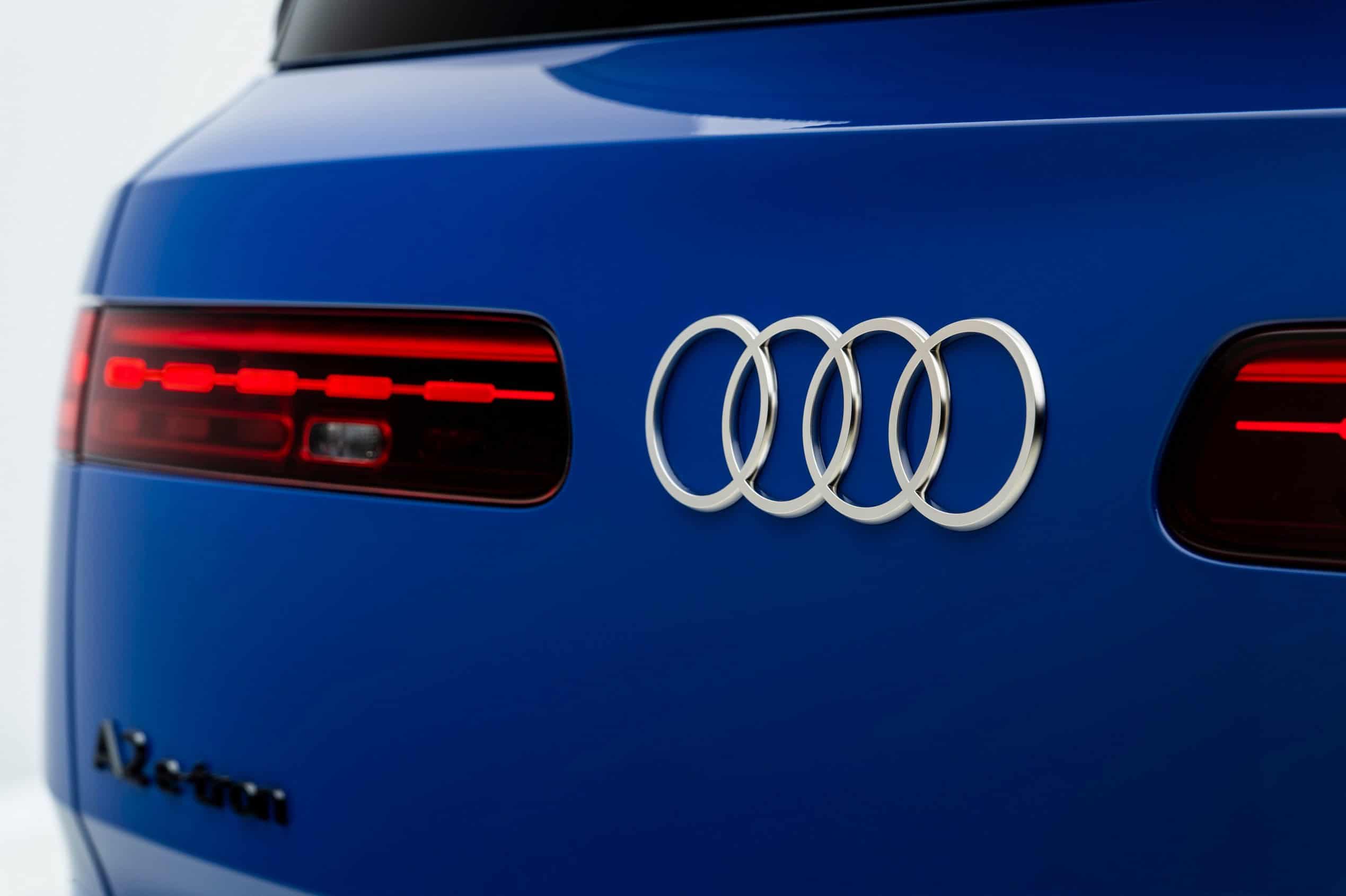
Audi just handed BMW and Mercedes the keys to the premium electric sedan market until 2029. The A4 e-tron, supposed to be Ingolstadt’s answer to the BMW i3 NA0 and Mercedes C-Class EQ, has been pushed back to a March 2029 production start at the earliest, according to a report from Handelsblatt.
The culprit is a decision by CEO Gernot Döllner to scrap the Volkswagen Group’s planned 12-volt electrical architecture for the SSP platform and replace it with a 48-volt system built from scratch. That single engineering call sent shockwaves through the supply chain. Suppliers now need to retool their components to match the higher-voltage standard, and the cascading delays have turned a late program into an even later one.
The logic behind the 48-volt switch isn’t crazy. Higher electrical bandwidth supports more advanced autonomous driving features, better climate systems, and powertrain configurations that a 12-volt architecture simply can’t handle. Döllner is playing a long game, betting that a superior platform ceiling will justify years of lost sales.
The problem is what happens in those years.
BMW’s i3 NA0 launched into a market with only one real competitor, the Mercedes C-Class EQ. By 2029, the i3 will have already received its mid-cycle refresh, likely bringing updated exterior styling, new cabin tech, and possibly improved battery options. The i3 Touring wagon variant arrives next year, targeting fleet buyers and practical-minded owners in a body style Mercedes chose not to build for its electric C-Class. That’s an entire sub-segment Audi won’t even contest for three more years.
Range numbers tell their own story. BMW’s eDrive Gen6 architecture already delivers 912 km of WLTP-estimated range in the i3 and iX3. The long-wheelbase i3 built for China breaks 1,000 km under that market’s CLTC protocol. Three years of incremental improvement, perhaps including a single-motor Long Range variant trading performance for endurance, could push those figures even higher before Audi’s sedan touches a showroom floor.
On the SUV front, Audi’s Q6 e-tron is already competing against BMW’s iX3 NA5 and Mercedes’s GLC EQ, but reports suggest it trails both on range and charging speed. Those are the two metrics that consistently rank highest on buyer priority lists. BMW’s Debrecen plant has ramped the iX3 to three-shift production to keep up with demand, and the iX4 NA7 launches later this year.
The competitive math is brutal for Audi. BMW will have spent roughly six years selling electric sedans by the time the A4 e-tron arrives. The i4 Gran Coupé launched in 2021 and will be winding down its lifecycle.
A rumored i4 Coupe is in the pipeline. The i3 NA0 will be a mature, refined product with real-world owner feedback baked into its refresh. Dealer networks will know how to sell it, service departments will know how to fix it, and customers will know what to expect from it.
Audi, by contrast, will be introducing a first-generation product into a segment where its rivals are already on their second or third act. First-generation anything carries risk, no matter how sophisticated the underlying platform.
Döllner clearly believes the 48-volt architecture gives Audi a technical foundation that will outlast the current competition. He might be right. But technical superiority on paper has never guaranteed sales success, especially when buyers have already formed habits and brand loyalties. Three years is a long time to let customers settle into someone else’s car.
By 2029, BMW could be teasing a second-generation i3 or a next-generation iX3. Audi will be asking people to take a chance on something brand new.

Share this Story