


Acura sells exactly four vehicles in America right now. For a brand that competes with Lexus, that’s not a lineup. It’s a skeleton crew.
The plan to fix it, detailed in a recent Automotive News report, involves two new SUVs that will push the roster to six models. One is an off-road-focused truck being called the “Acura Passport” internally. The other is a full-size eight-passenger hauler aimed squarely at the Lexus TX.
Both fill gaps so obvious you wonder how they stayed open this long.
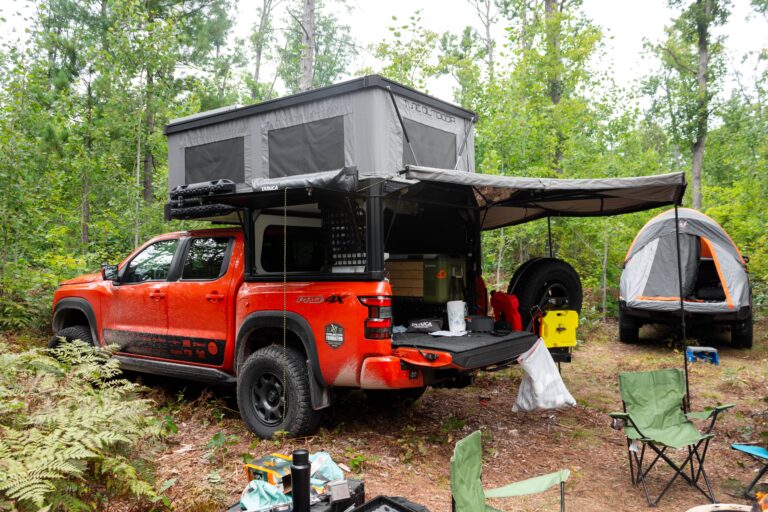
The Acura Passport will be built on the bones of the Honda Passport TrailSport, but Acura insists it won’t be a lazy badge swap. Unique sheetmetal, a more upright front end, knobbier tires, and distinctive hood styling are all part of the plan. The brand hasn’t had anything resembling an off-roader since the SLX disappeared in the late 1990s, nearly three decades of ceding the rugged-luxury space to Land Rover, Lexus, and more recently, Genesis.
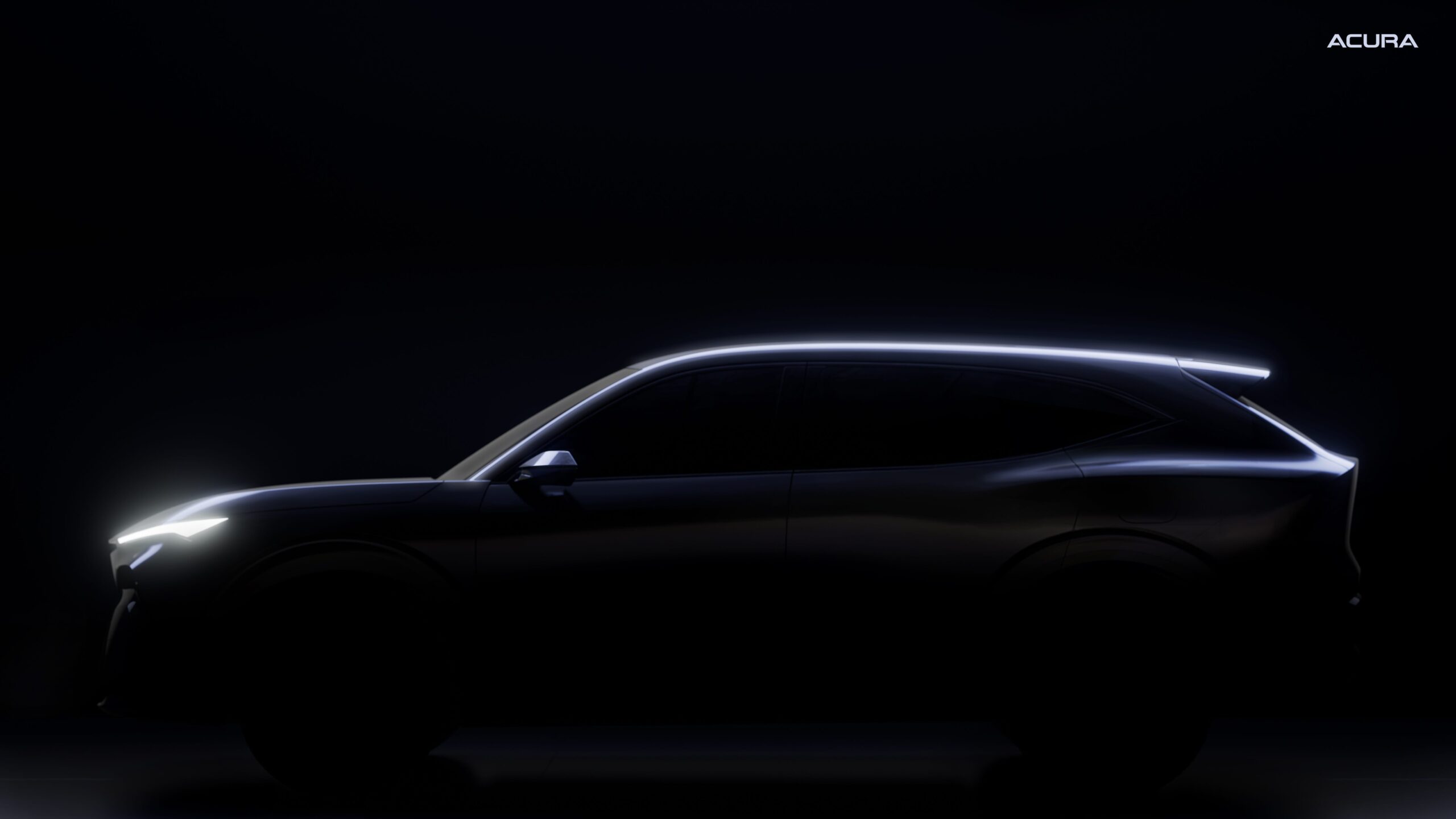
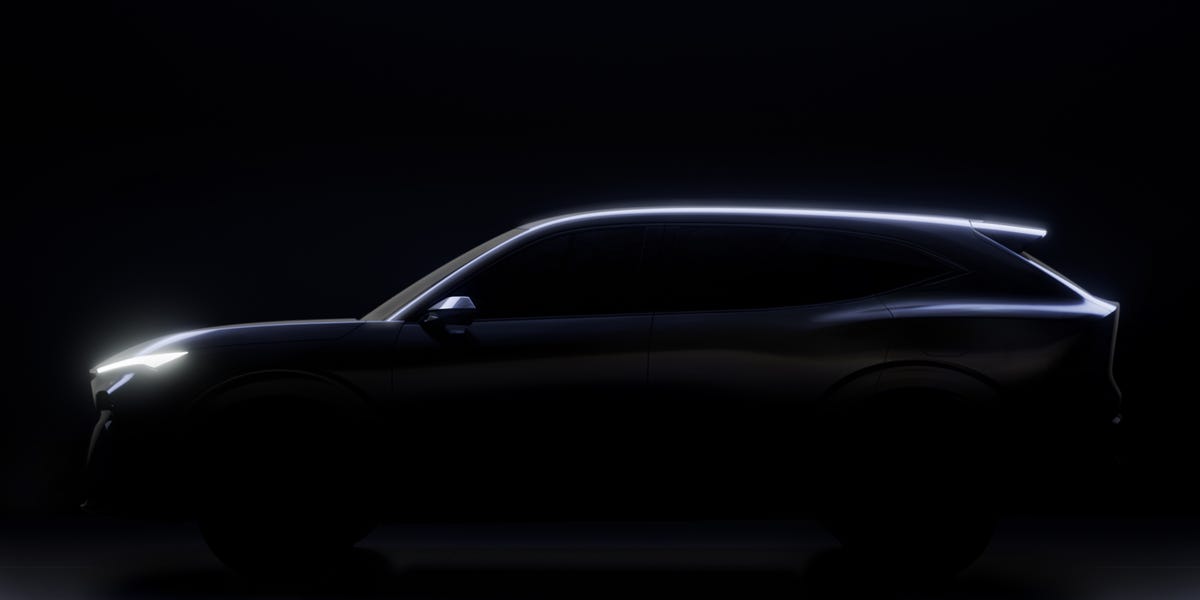
The bigger reveal might be the three-row flagship. Dealers who’ve seen it told Automotive News the SUV stretches roughly six inches longer than the current MDX and wears an upright, Range Rover-influenced design with broad shoulders, a light bar up front, and a cabin built for eight. A Honda sibling will ride the same platform, which will also underpin a next-generation MDX, so Acura is building an entire SUV family from one architecture.
Timing tells you how far behind Acura has fallen. The Passport derivative is expected to hit dealers in mid-2028. The big three-row won’t enter production until the third quarter of 2029, which likely means early 2030 for customer deliveries. Lexus launched the TX in 2024, giving it a six-year head start in a segment where loyalty calcifies fast.
Between now and then, the 2028 RDX will carry the burden of introducing Acura’s new design language and Honda’s updated hybrid powertrain. It’s the bridge vehicle, the one that has to prove the brand’s aesthetic reset works before two expensive SUV programs follow it into showrooms.
Acura also showed dealers special editions of the ADX and MDX alongside a limited-run Integra Type S, which suggests the brand knows it needs to keep current owners engaged while the bigger product offensive takes shape. Special editions are band-aids, not strategy. The strategy is the SUVs.
The real tension here is arithmetic. Acura sold respectably with four models, but “respectable” doesn’t cut it when your parent company is Honda and your rival fields more than a dozen nameplates. Volume comes from coverage, and coverage comes from being present in segments where people actually spend money.
Americans spend money on three-row SUVs and rugged crossovers the way they spend money on nothing else. Honda clearly grasped this with the Passport and Pilot. It took Acura an extra product cycle to reach the same conclusion for its own showrooms.
The shared-platform approach keeps development costs rational, but it also means Acura’s success depends on design and interior execution creating enough daylight between itself and Honda to justify the premium. Dealers reportedly liked what they saw. Whether buyers in 2029 and 2030 feel the same way depends on whether Acura can make a convincing case that it belongs in spaces it abandoned, or never entered, a generation ago.

Share this Story