
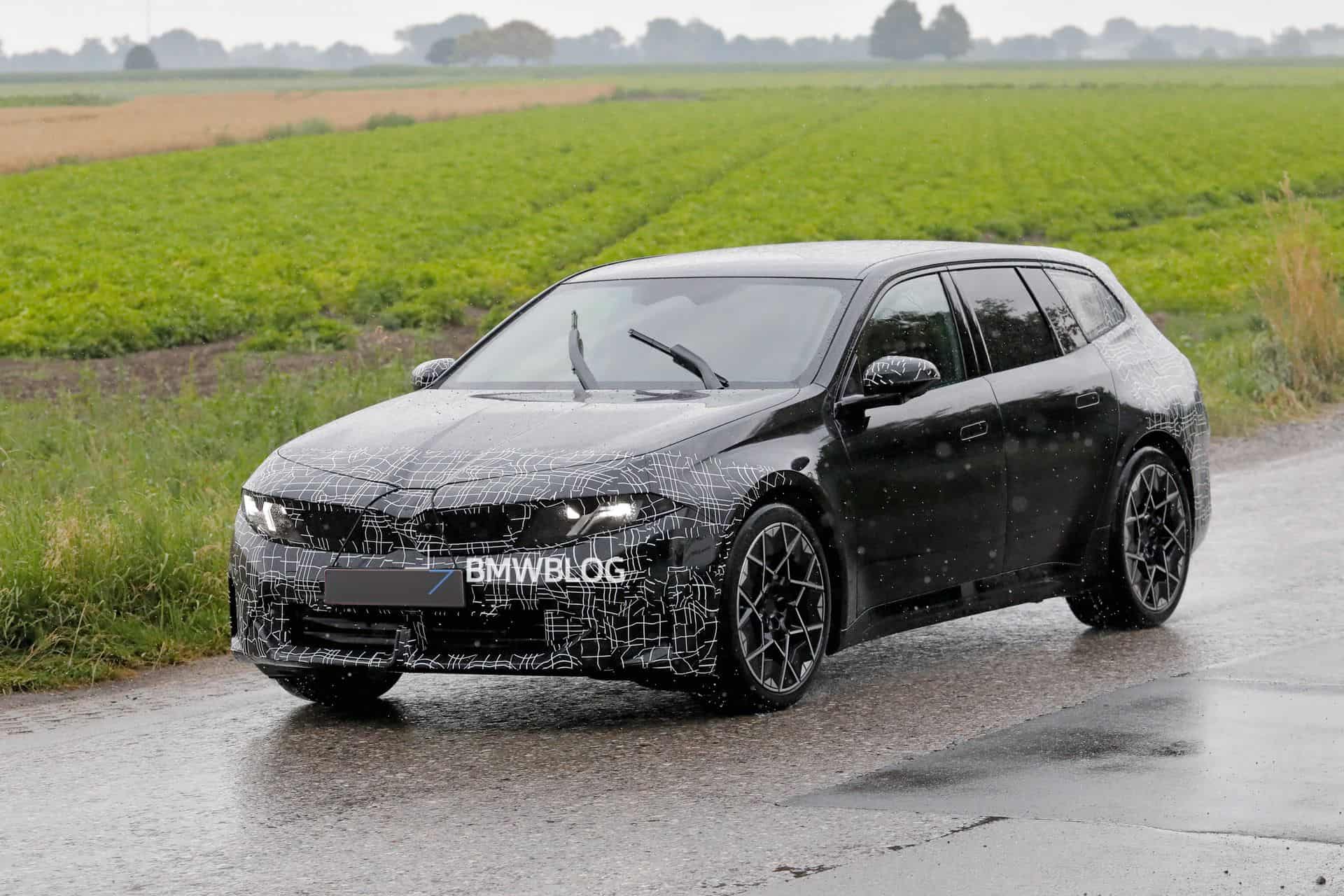


A near-production BMW i3 Touring prototype was filmed leaving the Munich factory gates this week, captured on video by a sharp-eyed reader of Bimmer Today. The electric wagon, codenamed NA1, looked almost ready for the showroom floor, with final headlights, taillights, and body panels all in place. Only a thin layer of camouflage on the front end suggested BMW still has something to hide, though that seems more like corporate habit than genuine secrecy.
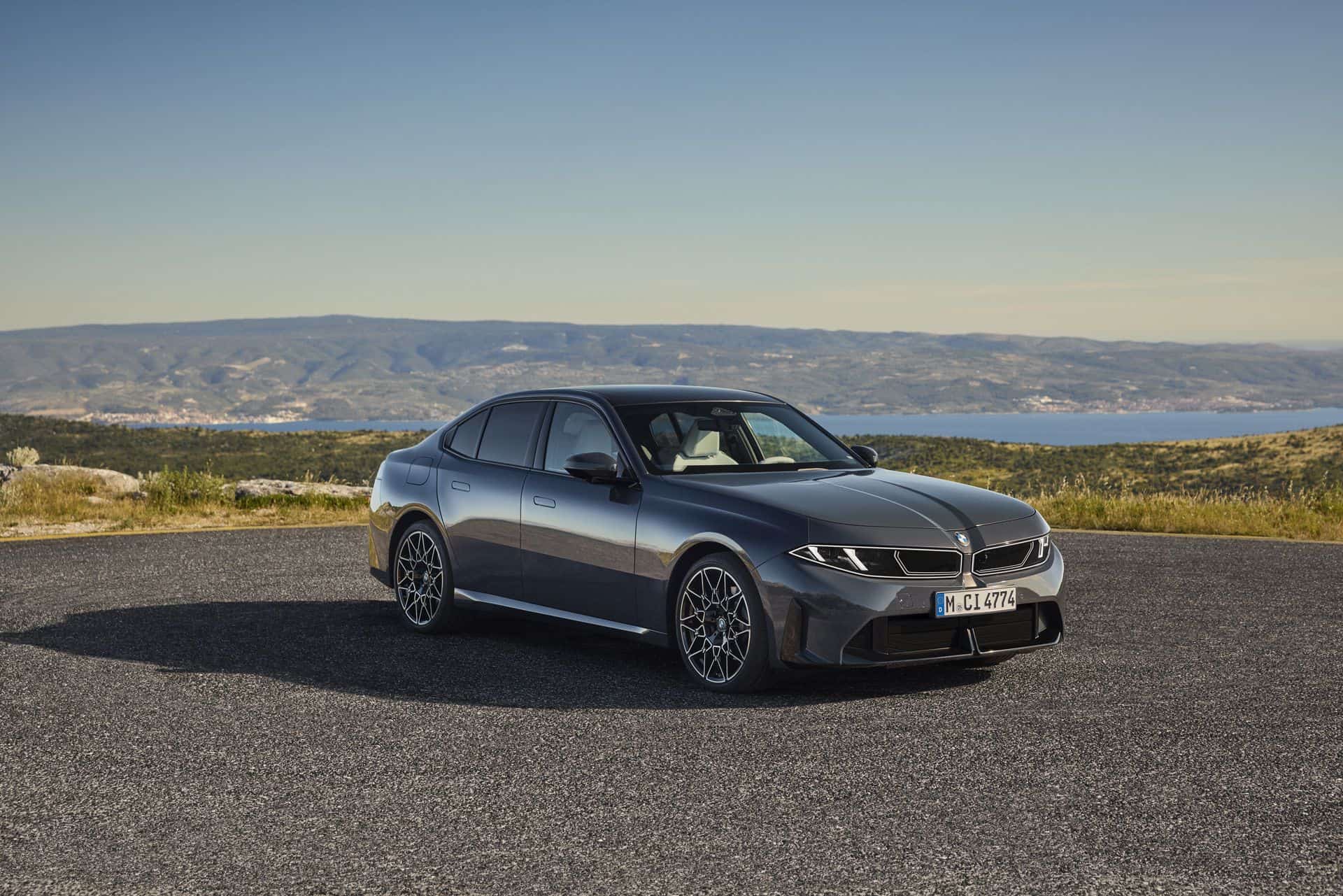
The front end will almost certainly mirror the i3 sedan, which enters production this month at the same Munich plant. Wagon conversions have always shared everything forward of the B-pillar with their sedan siblings. That’s not laziness, that’s smart engineering economics, and BMW has been doing it this way for decades.
What caught attention is what’s missing at the back. The i3 Touring appears to lack the independently opening rear glass window that has been a hallmark of BMW wagons for years. Spy photos from earlier sightings hinted at this, and the latest video seems to confirm it.
The glass looks fixed to the tailgate, meaning you’ll need to swing the whole hatch open to toss in a bag of groceries. BMW pulled the same move on the larger i5 Touring, so a pattern is forming. Whether it’s about aero efficiency, cost reduction, or structural rigidity for the Neue Klasse platform, BMW hasn’t said. But for wagon loyalists who used that flip-up glass daily, it stings.
Range anxiety shouldn’t be a concern here. The i3 sedan posts a WLTP-rated 912 kilometers, or roughly 567 miles. The Touring’s less slippery shape will shave some of that, but the buffer is enormous.
Even with a 10 to 15 percent penalty, you’re still looking at an electric wagon that can match or exceed the real-world range of its gas-burning predecessor. That’s the math that makes this car viable.
Production is targeted for mid-2027, according to sources familiar with BMW’s timeline. The company has publicly confirmed Munich as the assembly location for both i3 body styles, fitting neatly into a broader Neue Klasse rollout that aims to deliver around 40 models by late 2027.
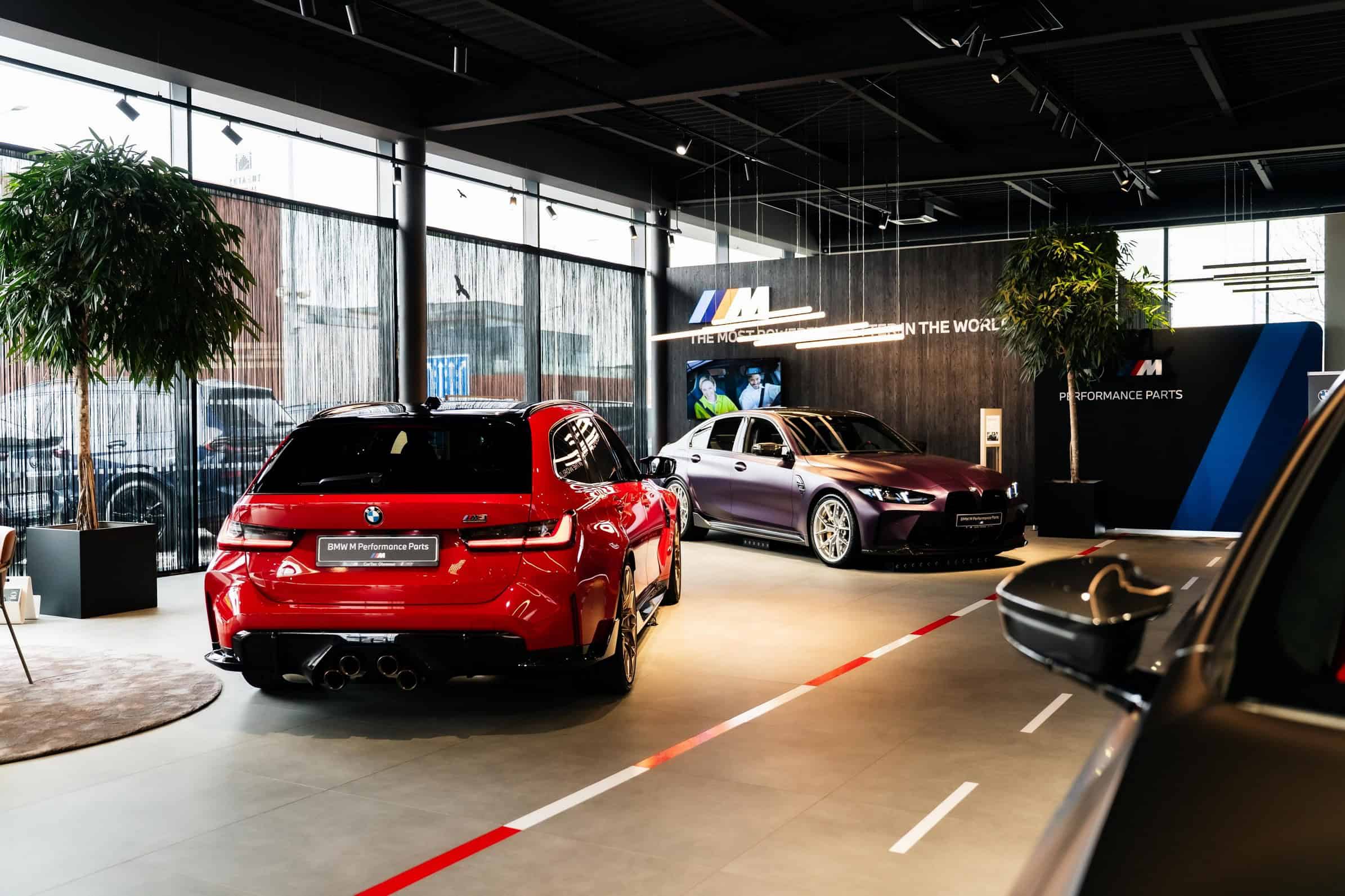
For those who aren’t ready to go electric, BMW hasn’t abandoned them either. A combustion-powered 3 Series Touring, wearing the G51 codename, is expected to follow shortly after the i3 Touring’s launch. Both versions are reportedly in line for M Performance variants and eventually full M treatment, which means the G88 M3 Touring could land in the lineup down the road.
There’s even talk of it finally reaching American shores, though BMW’s track record on bringing wagons stateside demands skepticism until order books actually open.
The broader play here is BMW hedging its bets with surgical precision. Electric and combustion wagons from the same factory, on overlapping timelines, targeting overlapping buyers. It’s an expensive way to cover every base, but BMW clearly believes the wagon customer is worth keeping.
Given how many automakers have simply walked away from the segment, that commitment carries weight. With prototypes already rolling through factory gates looking this finished, the timeline feels real. The only question left is how many of those traditional Touring touches BMW decided to keep, and how many quietly disappeared in the name of platform efficiency.
Share this Story