
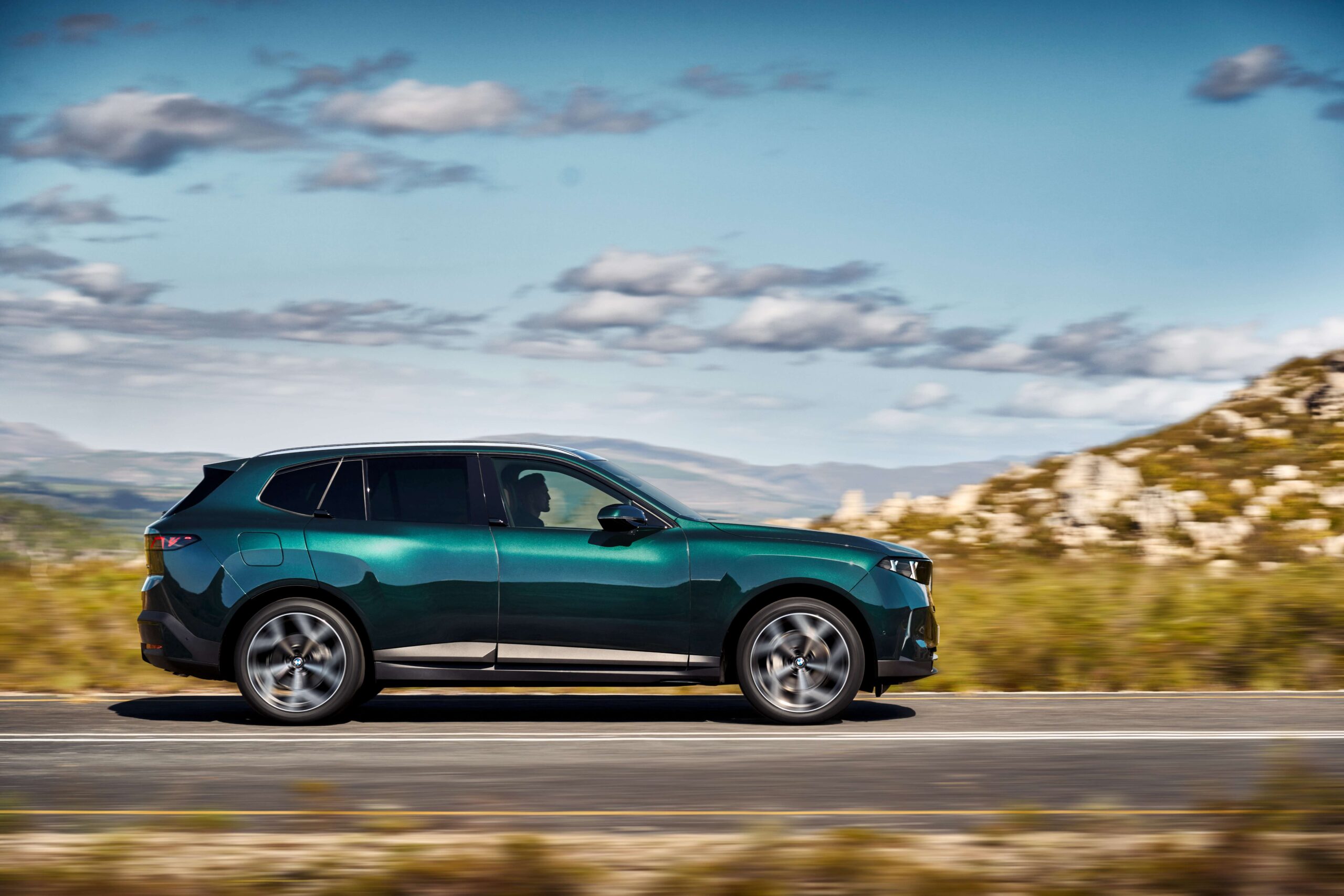


Forty-four miles of electric range. That’s what BMW is promising from the 2027 X5 xDrive50e plug-in hybrid, a five-mile improvement over the outgoing model and a number that still won’t get most American commuters through a full day without burning gasoline. But that’s rather the point.
This isn’t BMW’s electric future — that’s the iX5 60 xDrive with its claimed 435 miles of battery range. This is BMW’s electric present, wrapped carefully in the comfort of a turbocharged inline-six.
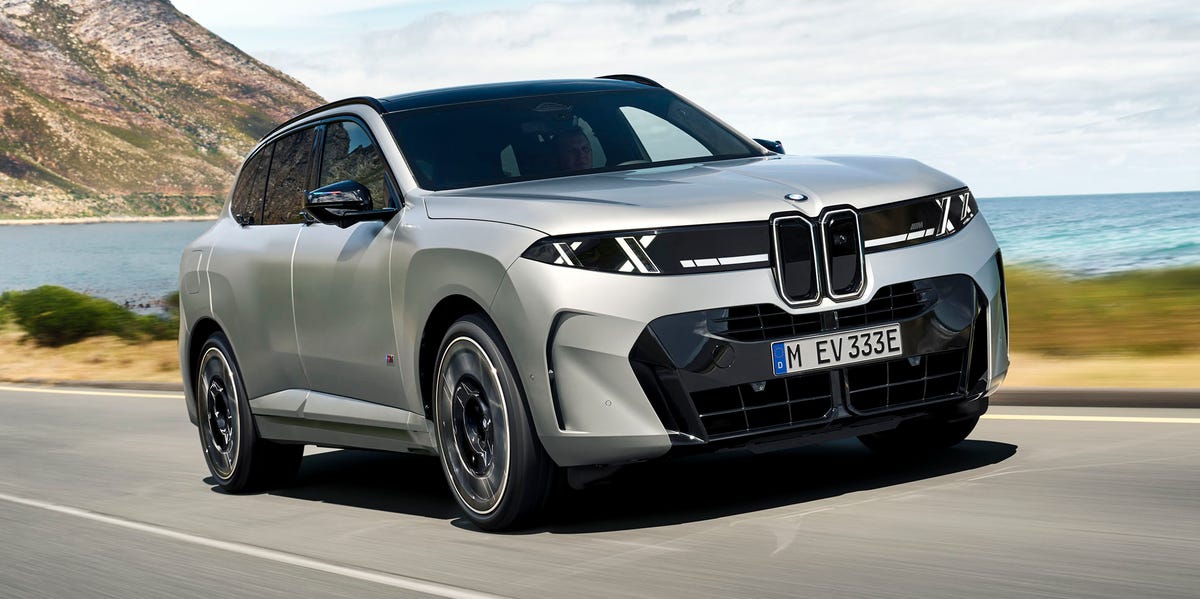
The fifth-generation X5 arrives in the first quarter of 2027 carrying BMW’s Neue Klasse design language onto a vehicle that doesn’t actually ride on the Neue Klasse platform. The exterior gets the new “double-x” headlamp treatment, slim rear lamps, and winglet door handles tucked into the pillars that open electrically operated doors. It looks like the future, but under the skin, it’s evolution.
BMW’s updated 3.0-liter turbo six pairs with a 194-horsepower electric motor integrated into the 8-speed automatic, producing a combined 483 horsepower and 516 pound-feet of torque. All-wheel drive is standard. BMW quotes a 4.6-second sprint to 60 mph, though the outgoing model hit that mark in 3.9 seconds during Car and Driver testing, so expect the real number to land closer to four flat.
The battery grows to 26.5 kWh of usable capacity from the previous 19.2 kWh, a substantial jump that accounts for that 15-percent range improvement. Electric-only driving tops out at 87 mph. Charging remains at 11 kW, which is adequate for overnight home charging but won’t win any speed records at a public station.
Inside, the big story is a full-width screen stretching across the base of the windshield. Driver information lives on the left, while the center houses a 17.9-inch infotainment touchscreen. A new 14.6-inch passenger screen is available for the first time.
An 18-speaker Bowers and Wilkins system with Dolby Atmos processing sits on the options list, and if BMW’s recent track record with that partnership is any indication, it’s money well spent.
The price — $78,500 — slots the X5 hybrid into increasingly crowded territory. The Volvo XC90 T8 starts at $77,595, the Mercedes GLE plug-in hybrid at $73,600, and the Lexus TX Hybrid at $71,810. Above it, the Porsche Cayenne E-Hybrid commands $105,450 but delivers a level of driving engagement that has historically been hard to match.
The Range Rover Sport Hybrid, at $96,950, claims 53 miles of electric range — nine more than the BMW.
BMW is playing a careful game with the 2027 X5 lineup. The gas-only X5 40 covers buyers who don’t want electrification, while the iX5 EV targets those ready to go all-in. This plug-in hybrid sits squarely in the middle, offering just enough electric capability to satisfy a tax-credit checkbox and a conscience, while keeping a proper engine under the hood for anyone who drives more than 44 miles from home.
Standard safety gear includes automated emergency braking with pedestrian detection, lane departure warning, and blind-spot monitoring. Semi-autonomous driving capability costs extra. The warranty is BMW’s usual four years or 60,000 miles, with hybrid components covered for eight years or 100,000 miles and three years of complimentary maintenance.
The 2027 X5 hybrid is a polished, competent machine designed for buyers who want to feel responsible without feeling limited. BMW knows its customer. That customer isn’t ready to abandon combustion, but they’re perfectly happy plugging in overnight and gliding silently through the school drop-off line.

Share this Story