
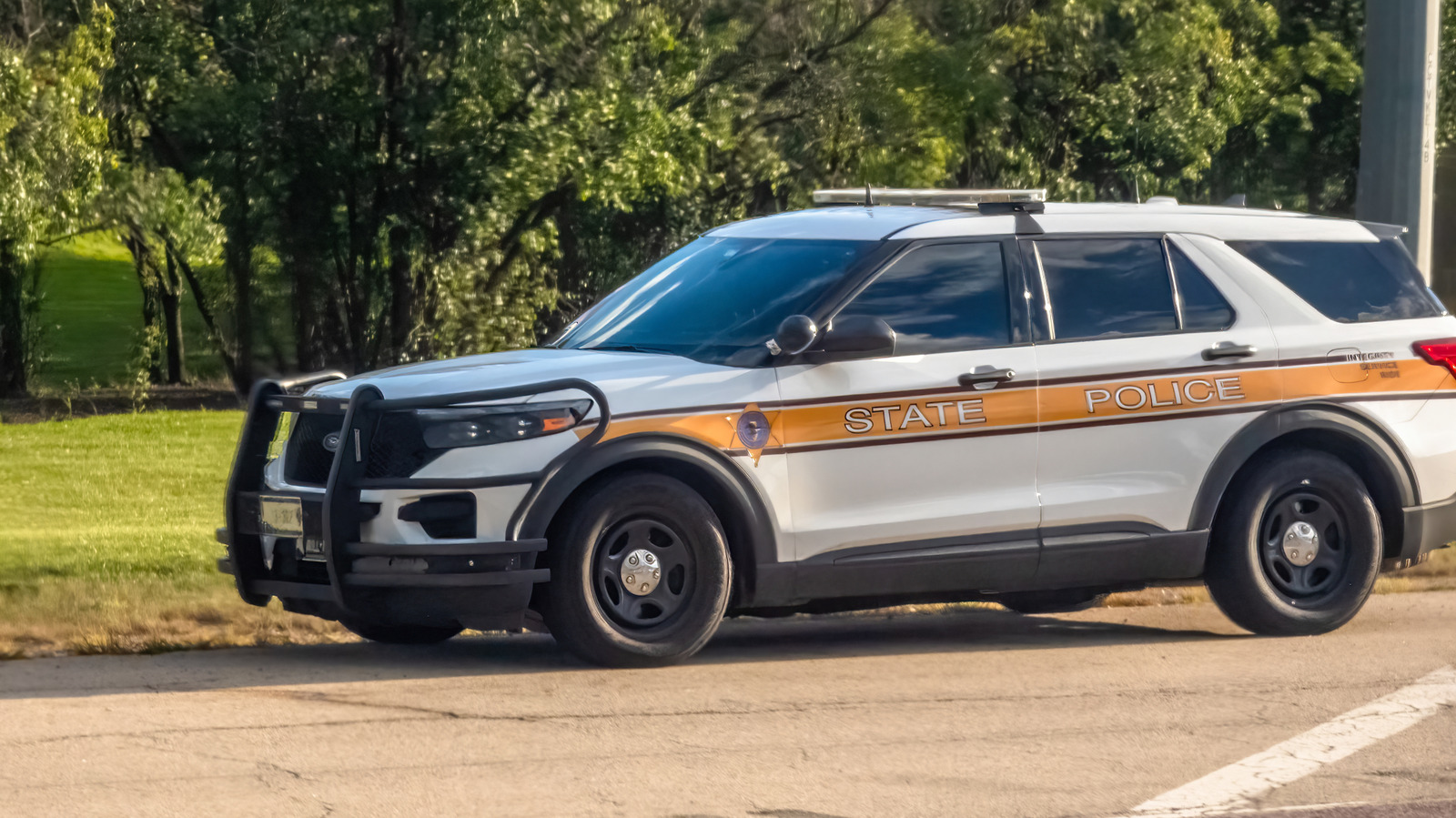


A fully outfitted Illinois State Police cruiser costs $120,000. The fund earmarked to buy new ones brought in just $7 million last year. That buys 58 cars. The state needs to replace 1,067.
ISP Director Brenden Kelly laid out the math for a Senate appropriations committee last month, and it was brutal. At current funding levels, refreshing the entire fleet would take 18 years. That’s more than double the eight-year, 150,000-mile replacement cycle the state’s own Department of Central Management Services recommends.
“We’re not expecting a miracle,” Kelly told lawmakers, according to Capitol News Illinois. He used the word “piecemeal.” That’s not a strategy. That’s a prayer.
The State Police Vehicle Fund draws from a $1 surcharge on every Illinois license plate, plus revenue from auctioning retired cruisers. In good years, that generates $11 to $12 million. Last year it cratered to $7 million, partly because the cars being sold are old, high-mileage, and worth next to nothing at auction.
Lawmakers have appropriated $30 million annually since 2024, but the actual cash available has never come close to matching that figure.
Meanwhile, 800 miles to the west, the Kansas Highway Patrol runs a fleet operation that looks like it belongs to a different country.
Kansas has enforced a strict 50,000-mile retirement policy since the 1990s. A trooper can hit that threshold in 12 to 18 months. The cars come off the road practically new, still under warranty, still holding serious resale value.
Many don’t even go to public auction. They’re sold directly to smaller police departments with lights, sirens, and equipment still installed.
That’s elegant in a way that budget spreadsheets rarely are. Kansas spends heavily up front on new vehicles, but recaptures a large chunk on the back end through strong resale prices. Maintenance costs stay minimal because nothing hits 50,000 miles with a blown transmission.
Illinois can’t replicate that model overnight. You need a young, low-mile fleet to generate the resale revenue that funds the next cycle. Illinois is stuck with a fleet of 150,000-mile-plus patrol cars that fetch pennies at auction, which means less money to buy replacements, which means the next generation of retirees will be even older and worth even less.
It’s a death spiral with a badge.
The broader context makes it worse. Seventy-four percent of Americans already say new cars are unaffordable. Police departments aren’t immune to the same pricing pressure squeezing consumers — they’re just buying vehicles loaded with $40,000 worth of additional equipment on top of already inflated sticker prices.
Unlike a consumer who can keep driving a beater indefinitely, a state trooper in a clapped-out cruiser is a safety liability on every shift.
Kelly’s tone before the committee was measured, almost resigned. He knows $1 per license plate was never going to keep pace with vehicle costs that have climbed relentlessly for a decade. But no one in Springfield has proposed raising that fee, and no legislative fix appears imminent.
Kansas proves there’s a smarter way to manage a patrol fleet. It also proves you have to commit the money before you’re already drowning. Illinois waited too long, spent too little, and now faces an 18-year hole with a $1 shovel.
Those 1,067 overdue cruisers aren’t just a line item. They’re rolling around the state right now, every day, carrying troopers into situations where mechanical failure isn’t an inconvenience — it’s a threat. The spreadsheet says Illinois can’t afford new cars. The road says it can’t afford not to buy them.

Share this Story