
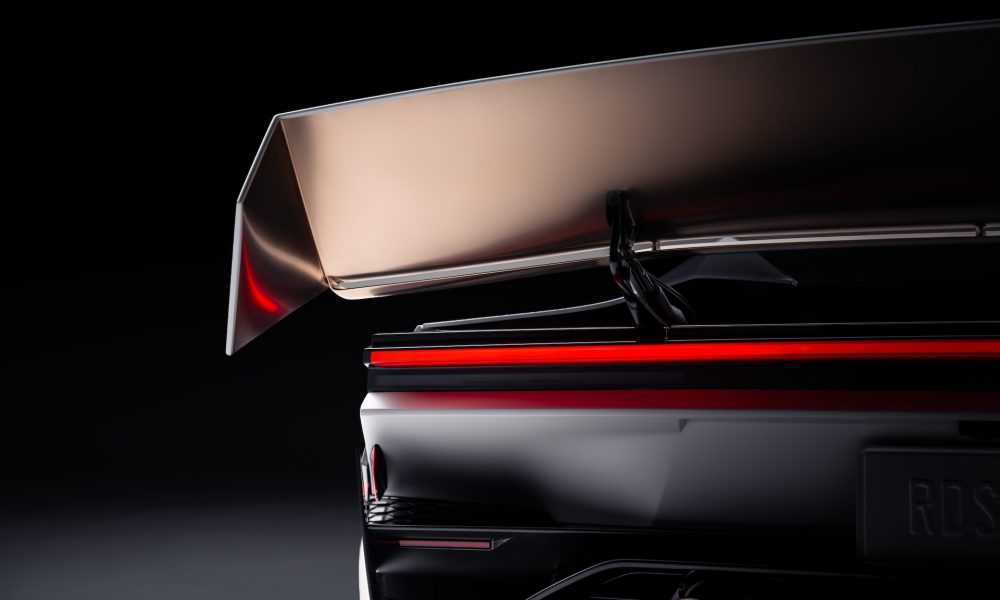


Tesla drove its new Roadster up a ramp until it was upside down, flew it off the edge, flipped it, and landed it on pavement outside Waco, Texas. “Well, it worked,” Elon Musk said. “Flying cars are real.”
The car also hovered over a Cybercab, a Cybertruck, a Semi, and two sedans. It hit 60 mph in one second on camera. The crowd stayed several hundred yards back. The event could only be held outdoors.
None of that tells you how fast it goes around a corner.
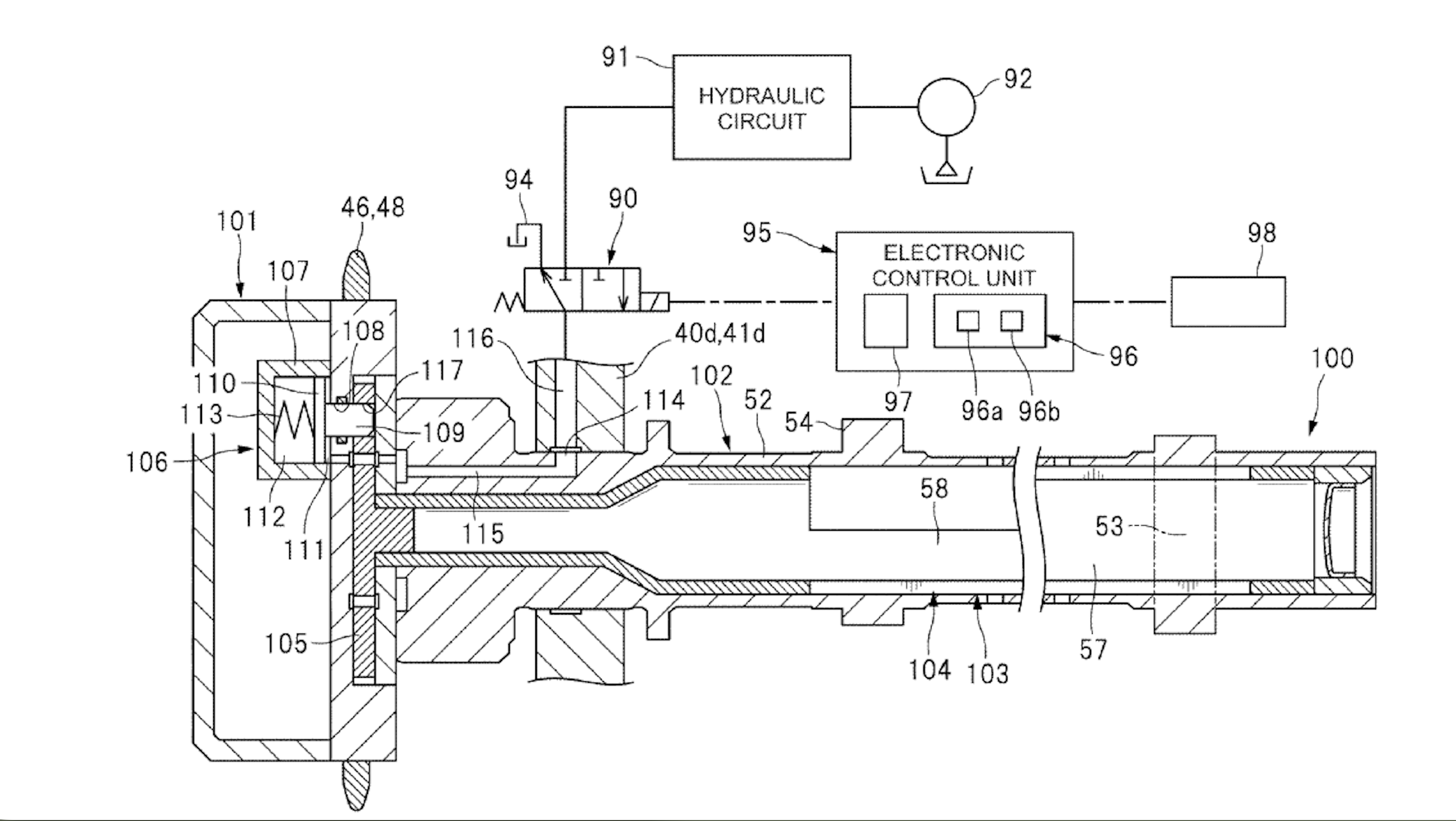
Tesla’s Roadster page describes a multi-mode fan and ground sealing system that pulls air from beneath the car, creating enough suction to hold it inverted while stationary. That is the real engineering story buried under the spectacle. Conventional downforce requires speed.
Wings and diffusers do nothing at 20 mph. A fan system generates grip at any velocity, which means consistent mechanical bite in slow corners and under heavy braking, exactly where traditional supercars fall apart.
Tesla pairs the fans with deployable skirts that seal or partially seal the underbody, active wings, next-generation steer-by-wire, and a Track Mode that drops ride height and adjusts the suspension. Weight reduction comes from magnesium, titanium, and carbon fiber. The seat position is fixed.
Three configurations exist. Performance is the road-ready version, two seats, sub-1.6-second 0 to 60. Thrust adds rear-mounted cold gas thrusters and drops the sprint to under 0.9 seconds.
Rocket is the one that flew in Texas, seats one, uses perimeter thrusters for forward, upward, and lateral rotational movement, and claims a 0 to 60 time under 0.59 seconds. Top speed exceeds 230 mph. Range is listed at more than 300 miles.
Rocket is invite only. Thrust is a limited release. Performance takes a $50,000 reservation. None of them are approved for public road use.
Fan cars have a complicated history. The Brabham BT46B won its only Formula One start in 1978, then was voluntarily withdrawn before it could be banned. Gordon Murray’s T.50 revived the concept decades later for a road car, but Murray spent years engineering a system that could handle debris, puddles, and uneven pavement.
Getting a sealed underbody to work on a rough public road is a different problem than making one perform on a smooth test surface. Tesla has not shown that it has solved it.
Musk has been promising Nürburgring records since 2019. “Absolutely,” he said when asked if the Roadster would take the production car lap record. In February 2024 he said Tesla had “radically increased the design goals” and that the sub-one-second sprint would be “the least interesting part.”
He has also called it “the best of the last of the human-driven cars” and admitted he is “not sure it moves the needle massively from a revenue standpoint.”
Seven years of promises. Zero published lap times. Zero verified cornering figures.
Production is planned for Giga Texas in 2027 or 2028, roughly 12 to 18 months after the demo. Tesla reports third-quarter earnings on October 21, and whatever questions analysts have about the Roadster will land on a call where the company still needs to talk about margins, deliveries, and robotaxi revenue.
The technology is real. The physics of fan-generated downforce are well understood. The cold gas thrusters clearly work. But a car that can fly and a car that can set a lap record are two very different machines, and Tesla has only demonstrated one of them.
The first official timed lap at a recognized circuit will tell us whether the Roadster is a track weapon or just the most expensive airshow in automotive history.
Share this Story