
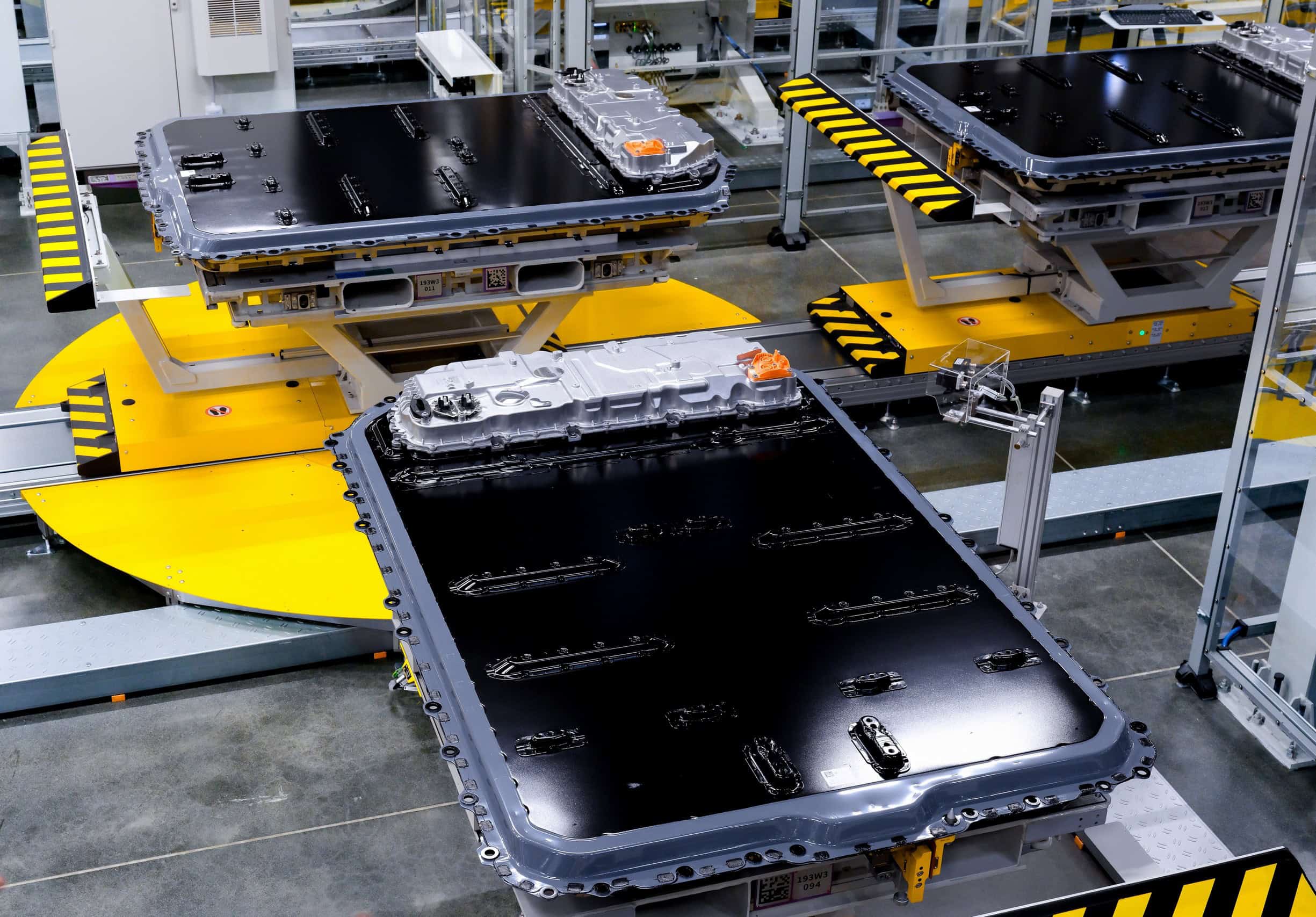


BMW began assembling its sixth-generation battery packs this week at its Shenyang plant in northeastern China, marking the third facility worldwide to produce the cylindrical-cell technology underpinning the automaker’s Neue Klasse electric vehicles. The timing is not accidental. BMW’s China sales through September 2026 dropped 21.8 percent, and the company desperately needs its next-generation EVs to stop the bleeding in the world’s largest car market.
The Gen6 cells represent a genuine technical leap. Energy density climbs more than 20 percent over the outgoing generation, while charging speeds and driving range improve by up to 30 percent. BMW recently demonstrated the point when a Neue Klasse i3 sedan covered 754 miles on a single charge during a Chinese efficiency run. Those are numbers that matter in a market where range anxiety still suppresses EV adoption among premium buyers.
Shenyang joins Debrecen, Hungary, and Irlbach-Straßkirchen, Germany, as active Gen6 battery assembly sites. Two more facilities, in Woodruff, South Carolina, and San Luis Potosí, Mexico, are expected to come online in the coming months. BMW is building batteries where it builds cars, a local-for-local strategy designed to cut logistics costs and insulate the supply chain from geopolitical disruption.
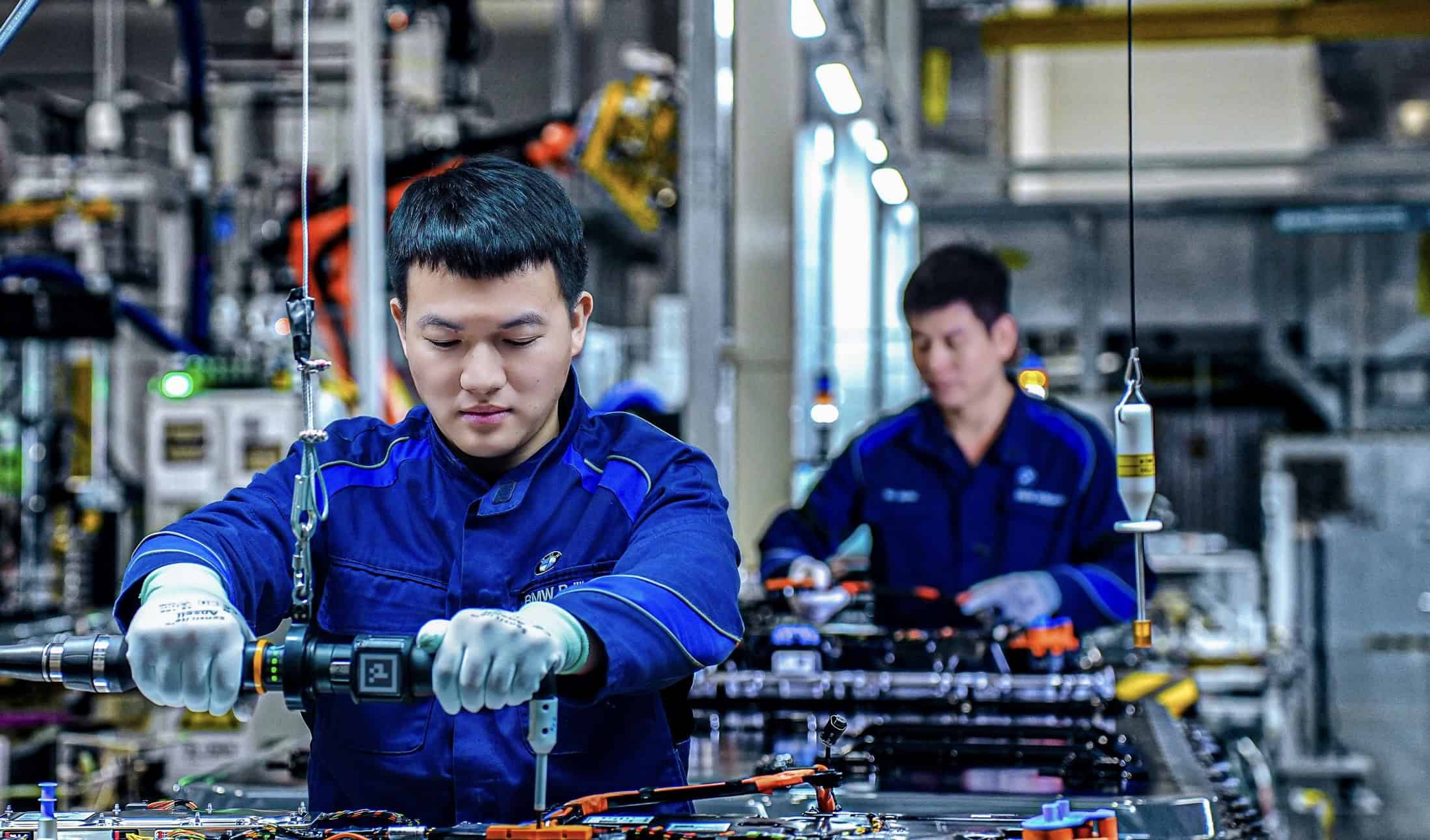
The cell-to-pack architecture is worth paying attention to. BMW eliminated the intermediate module step, integrating cylindrical cells directly into the battery housing. That frees up usable space and gives engineers more flexibility when fitting packs into different platforms. The Gen6 technology is not limited to dedicated electric architectures either. The CLAR-based iX5, a stretched version of the X5 aimed squarely at Chinese luxury buyers, uses the same battery tech.
But hardware alone will not solve BMW’s China problem. The company peaked there in 2021 at 847,900 combined BMW and MINI sales. By 2025, that number had fallen to 626,000, and this year’s trajectory is even steeper.
Mercedes and Audi face similar declines. Chinese domestic brands now build compelling, technology-rich EVs at prices that make German luxury sedans look like relics of a different economic era. Build quality that was once a joke has become genuinely competitive.
BMW’s response is a two-front offensive. The iX3 is already on sale in China with a long wheelbase and, notably, a different battery chemistry for its entry-level variant, using lithium iron phosphate cells to hit a lower price point. The i3 sedan will follow in the coming months. A China-specific long-wheelbase X5 and iX5 have been revealed, and all of these vehicles will draw from Shenyang’s new battery line.
The question hanging over all of this is whether better batteries and longer wheelbases can justify the price premium BMW needs to charge. Chinese consumers have more alternatives than ever, and brand loyalty that once belonged to the Germans by default is eroding fast. BYD, Nio, Xiaomi, and a dozen others are not standing still.
BMW’s Gen6 technology is real, and the efficiency and charging numbers are hard to argue with. Whether Shenyang’s battery line becomes the foundation of a turnaround or just a more sophisticated product feeding a shrinking customer base depends entirely on what shows up on the price sticker.

Share this Story