
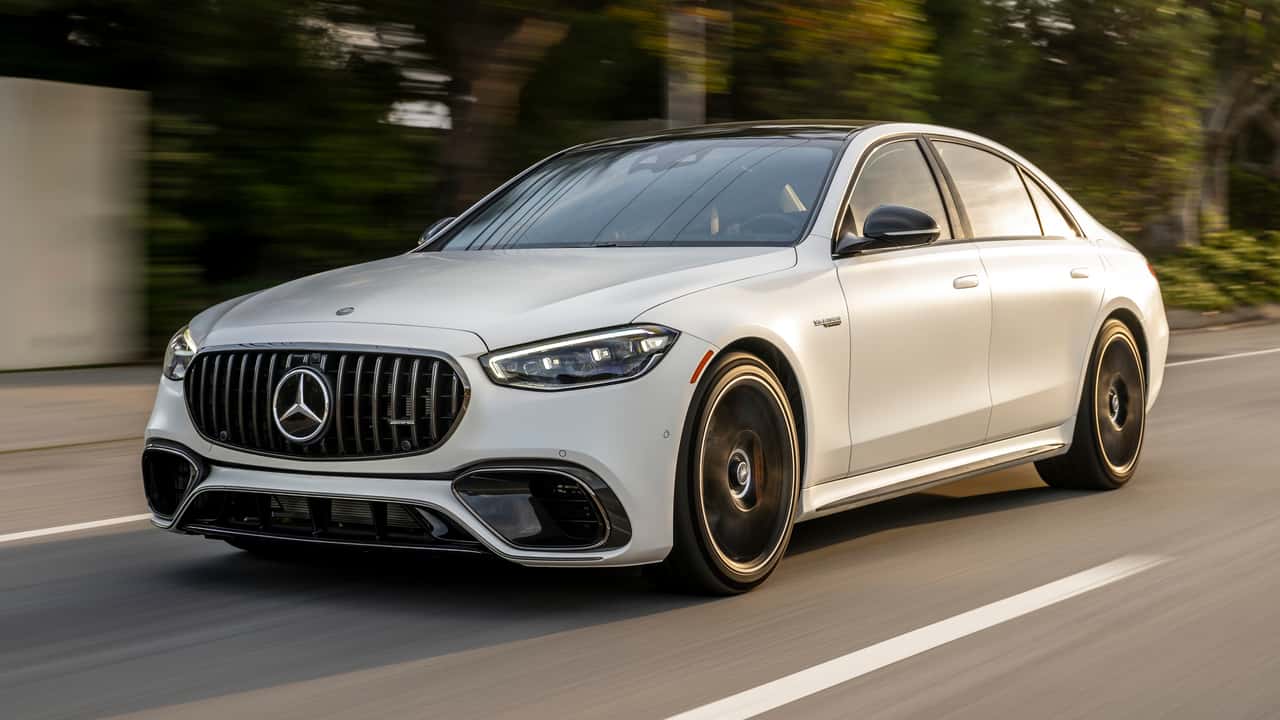


Three Mercedes-Benz nameplates will disappear from dealer lots by 2027, and every one of them tells the same story: the standalone EV experiment is over in Stuttgart.
The EQE sedan, the AMG S63 E Performance, and the Maybach EQS 680 SUV are all confirmed dead. A company spokesperson told Car And Driver the trio will not return for the 2027 model year. Two of the three are electric vehicles, and the third is a 791-horsepower plug-in hybrid that nobody asked to leave.
The EQE sedan launched just a few years ago as an electric counterpart to the E-Class. Mercedes gave it a slippery, jellybean shape meant to signal a clean break from combustion design. Buyers weren’t charmed.
With the electric CLA arriving and an electric C-Class in the pipeline, Mercedes apparently decided two overlapping entries in the same segment made no sense. The AMG version of the EQE dies alongside it, collateral damage in a portfolio cleanup.
Then there is the Maybach EQS 680 SUV, the most expensive electric vehicle Mercedes sold. It dripped with two-tone paint, Nappa leather, and the kind of rear-seat pampering that costs north of $200,000. None of that saved it.
Maybach will almost certainly return to electric propulsion at some point, but not as a rebadged EQS wearing a grille nobody recognizes.
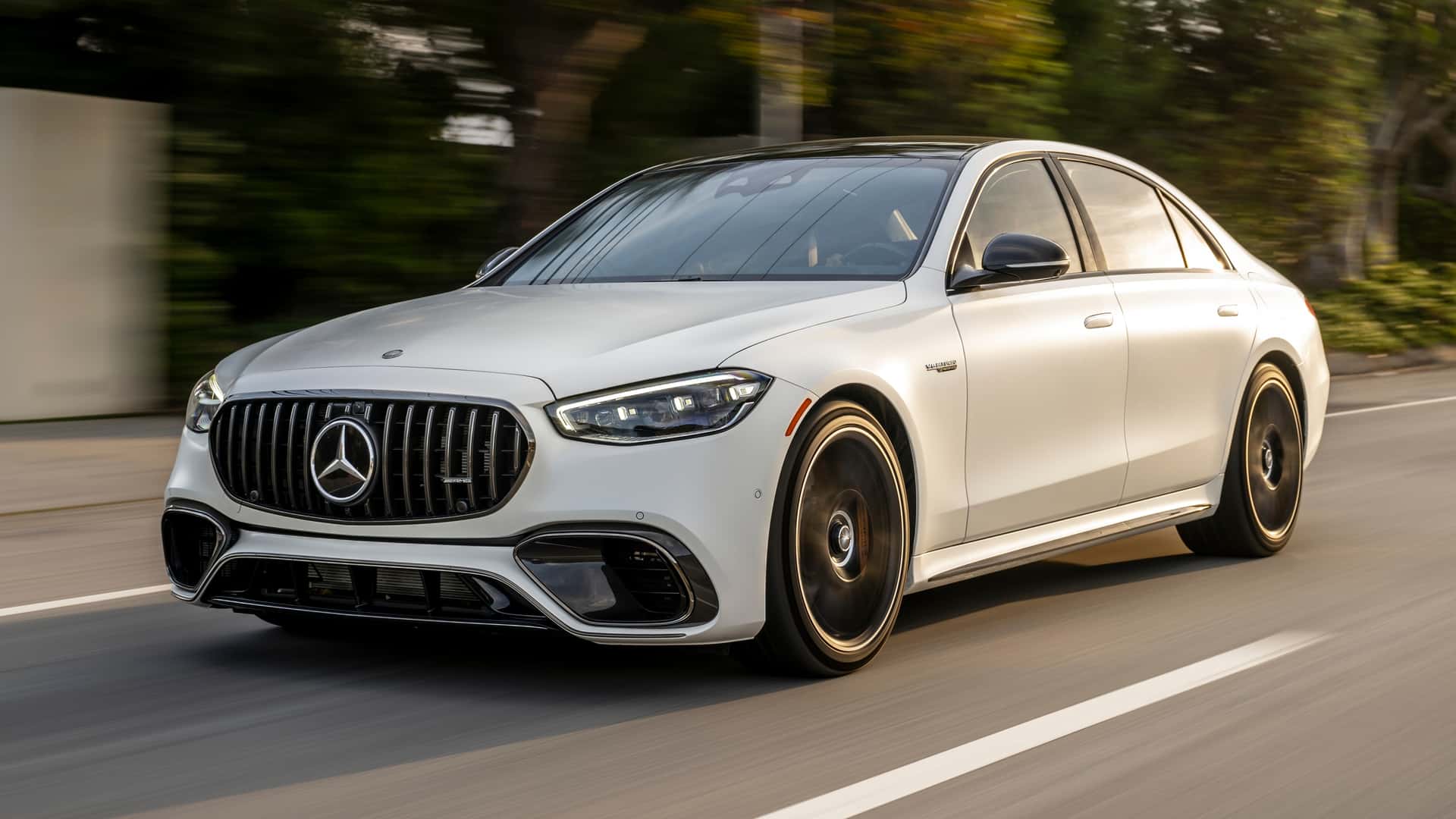
The AMG S63 E Performance is the strangest casualty. Its twin-turbo 4.0-liter V8 plus electric motor made 1,055 pound-feet of torque. It was, by any measure, absurdly fast.
Mercedes says V8 performance cars are not going away, and the S63 badge could return with a different powertrain. But for now, the top of the S-Class lineup has a hole in it, and there is no announced replacement.
What connects all three deaths is a strategic pivot Mercedes has been telegraphing for months. The company has been walking back its all-electric commitments, extending combustion engine development, and warning that two German plants could close if costs are not brought under control.
CEO Ola Källenius once pledged to go fully electric by 2030. That target quietly became “electric where it makes sense.” These three discontinuations are the physical evidence of that retreat.
Mercedes is not abandoning electrification. It is abandoning the idea that EVs need their own sub-brand, their own design language, and their own showroom presence. The EQ prefix, once positioned as the future of the company, is being absorbed back into the main lineup.
Future electric Mercedes models will simply be called Mercedes, wearing familiar names like C-Class and E-Class, with a plug icon on the trunk lid instead of a separate identity.
This mirrors what other German luxury brands have done. BMW never created a standalone EV sub-brand after killing the i3. Porsche is bringing back the gas-powered Macan alongside the electric one, and Aston Martin just delayed its first EV entirely while pledging V8 and V12 engines through 2035.
The luxury market spoke, and the message was clear: customers spending six figures on a car want it to look and feel like the brand they are buying. Not like a science project from a design studio that got too much freedom.
Mercedes still has electric models in its future. But the ones built to prove a point rather than sell in volume are being cleared out. Whether the next wave fares better depends on whether Stuttgart learned the right lesson, or simply the convenient one.
More cuts are likely coming. The EQS sedan, which shares the same dedicated platform as the EQE, has to be watching its back.
Share this Story