
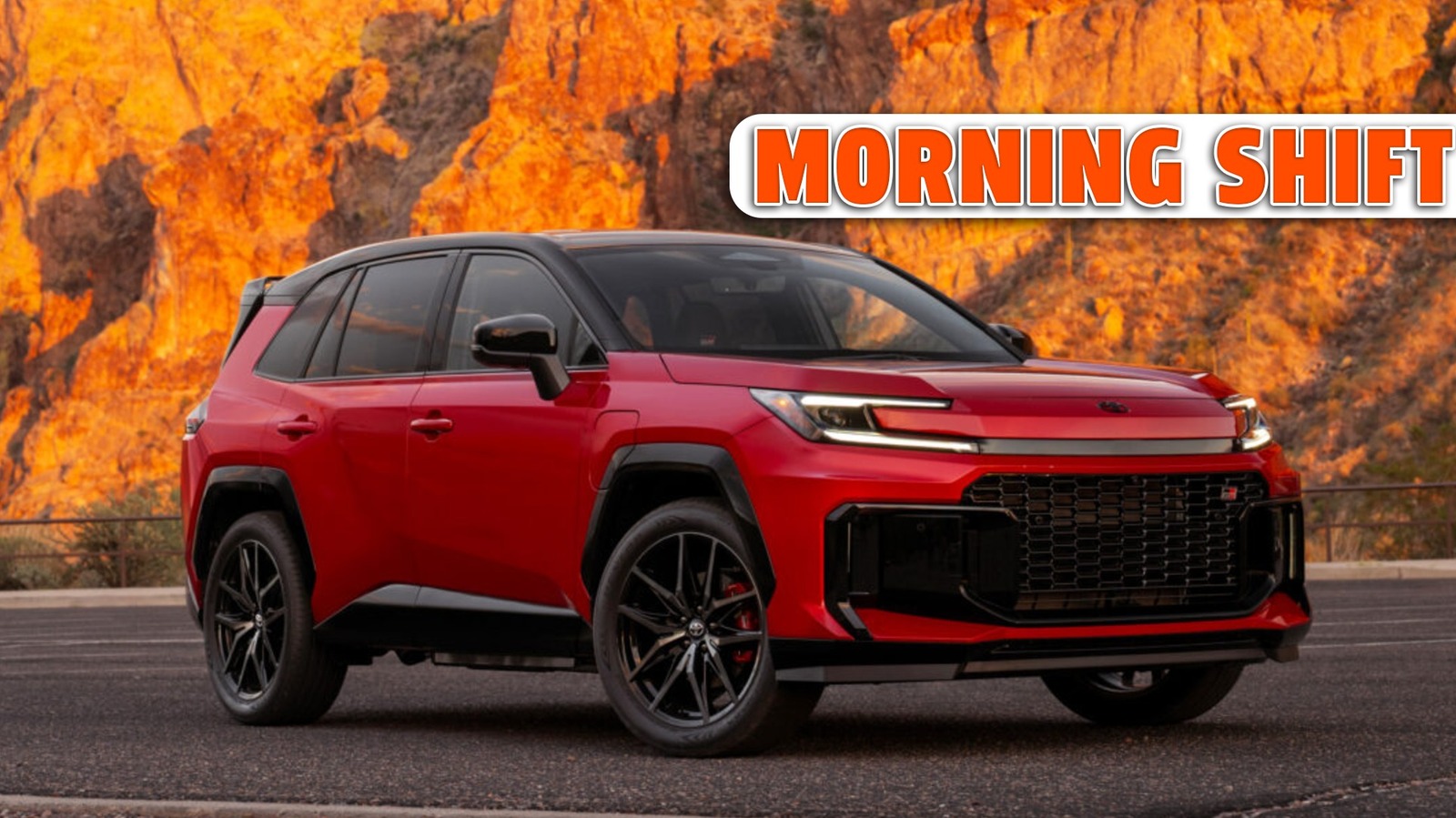


Hybrid sales are up 11 percent through the first four months of 2026 while total U.S. new car sales dropped 5.7 percent over the same stretch. That gap tells you everything about where the American car buyer’s head is right now.
Gas prices are the accelerant. The national average sits at $3.93 a gallon, down 63 cents from the 2026 peak of $4.56 set in late May but still well above the sub-$3.00 levels that prevailed before the U.S.-Iran conflict sent global fuel costs spiraling. A Cox Automotive survey of roughly 1,000 in-market shoppers in May found gas prices ranked as the second most influential factor in choosing a vehicle type.
More than half said they were actively looking at more fuel-efficient options. They are not, however, looking at EVs. They’re looking at hybrids.
“Hybrids are hot, hybrids are having their moment,” said Stephanie Valdez Streaty, director of Industry Insights at Cox Automotive. She pointed to long-established nameplates like the Toyota RAV4 Hybrid and Ford Maverick as trust anchors. Buyers know what they’re getting.
No range anxiety. No charging infrastructure headaches. Just a gas engine with an electric assist and a fuel economy number that makes the pump slightly less painful.
The used market is amplifying the trend. According to iSeeCars executive analyst Karl Brauer, hybrids are steadily stealing share from conventional gas vehicles among secondhand buyers. Average prices on one- to five-year-old used cars rose 4.9 percent between January and May compared with the same window in 2025, climbing to $32,794.
Used Ford Maverick hybrids tracked a more modest 2.6 percent increase, landing at $27,766. That sits below the broader used car average, which makes them look like a bargain.
The product pipeline has widened considerably. Toyota built the hybrid playbook, but Hyundai, Kia, and Ford have all flooded the zone with options.
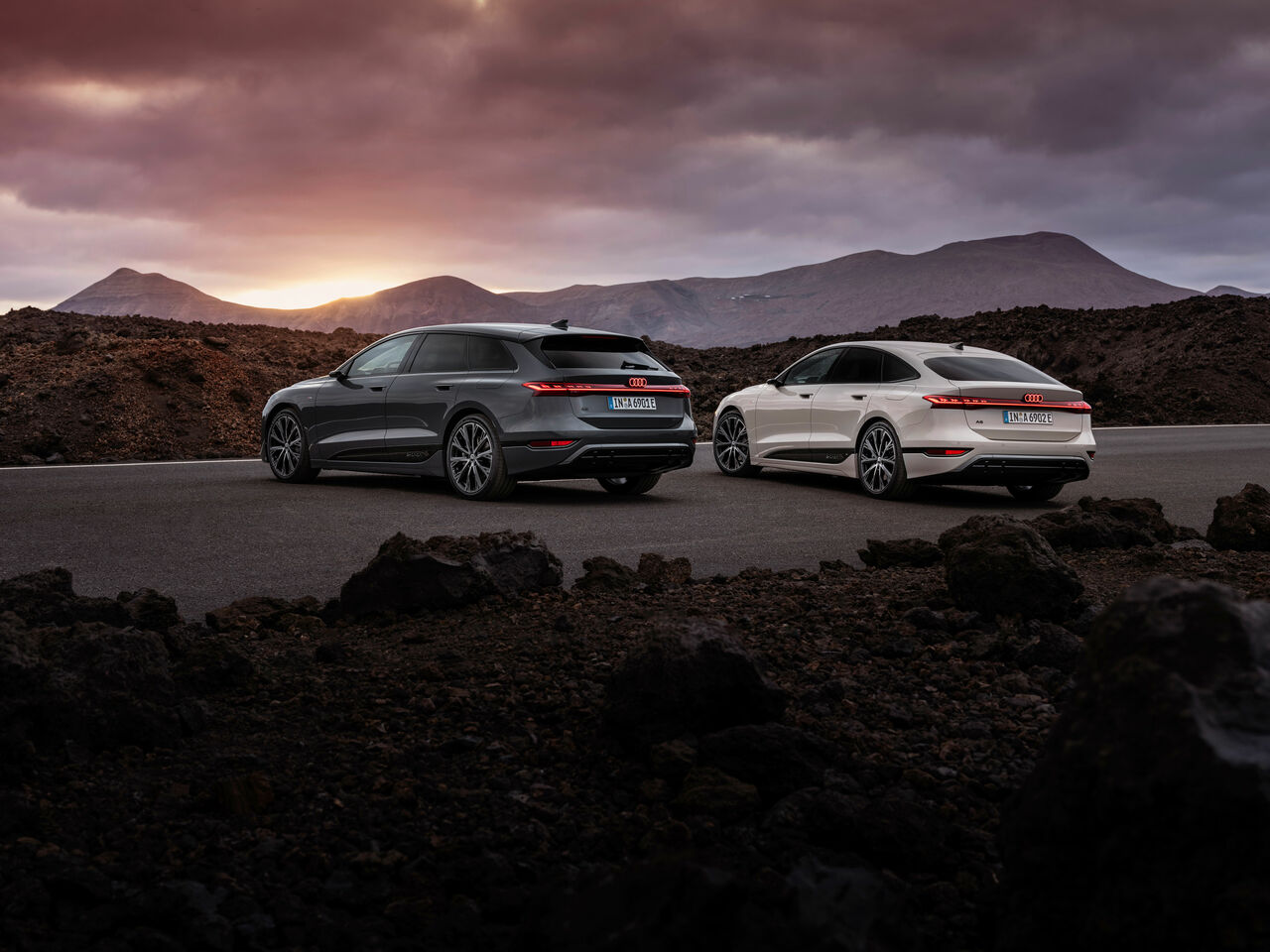
Ford’s F-150 PowerBoost pairs a 3.5-liter V6 with a 47-horsepower electric motor and a massive 30.6-gallon tank, delivering more than 700 highway miles per fill-up. The hybrid premium on the truck runs $1,900 to $3,000 over the base F-150’s roughly $40,300 sticker — a modest ask when gas is knocking on four dollars. Luxury brands including BMW, Mercedes-Benz, Volvo, Porsche, and Audi have their own hybrid variants, pushing the technology up and down the price spectrum.
Nearly one in three surveyed shoppers said elevated fuel prices were delaying their purchase entirely. The ones who aren’t waiting are recalculating their powertrain math — and the hybrid column keeps winning.
Younger buyers under 30 and higher-income shoppers showed a greater willingness to go fully electric, according to Cox’s data. But for the broad middle of the market — the buyer stretching to afford a new or lightly used vehicle — the hybrid represents the path of least resistance. It costs less than an EV, fuels up at any gas station, and sips rather than gulps.
Automakers have spent billions trying to convince Americans that the future is battery electric. Price parity between EVs and gas vehicles is closer than ever. Yet the message isn’t landing.
Buyers see the charger desert outside major metros, the tariff-inflated sticker prices on imported EVs, and the geopolitical uncertainty baked into every barrel of crude, and they split the difference. The hybrid isn’t a compromise anymore. It’s the answer to a question most Americans are actually asking: How do I spend less at the pump without changing my life?
Until the EV ecosystem delivers a convincing answer to that same question, the hybrid land grab will only pick up speed.

Share this Story