
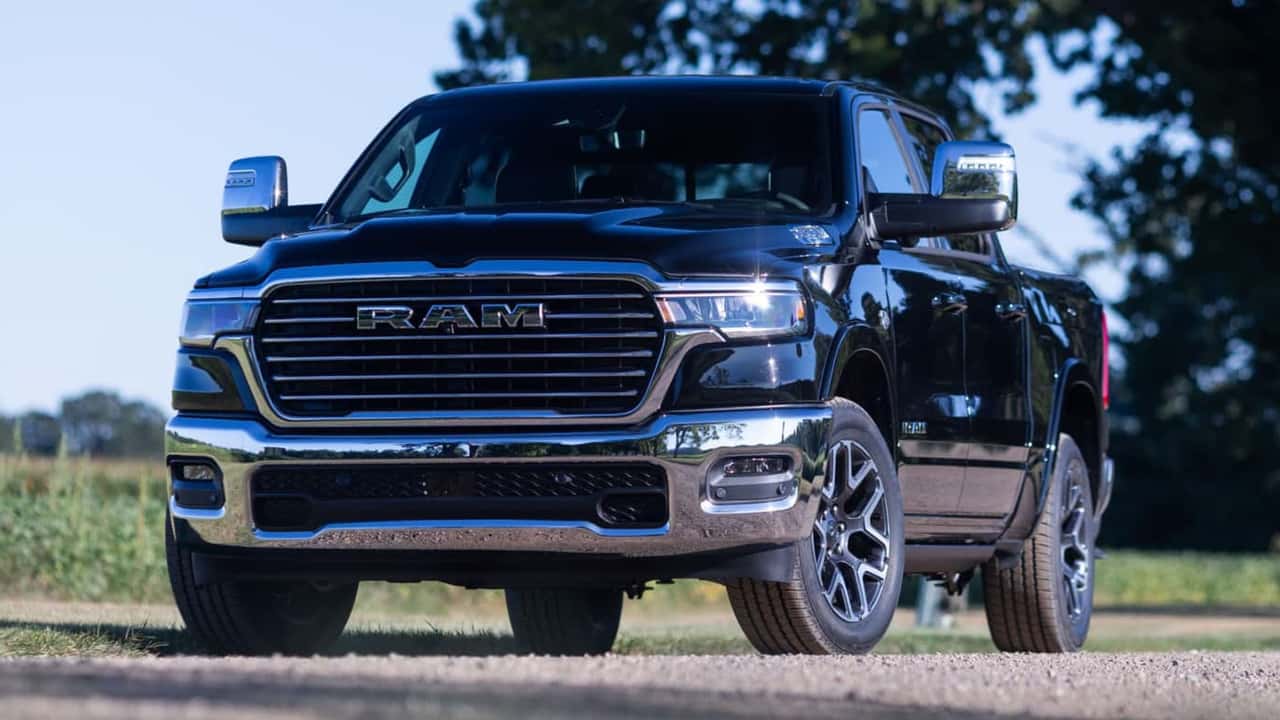


Stellantis is pulling back more than 1.5 million Ram 1500 pickups spanning the 2019 through 2026 model years because second-row seatbelt anchors may not be properly secured to the truck’s body. In the United States alone, roughly 1,271,294 trucks are affected, with the rest scattered across Canada, Mexico, and other global markets.
The problem sits at the second-row center and driver-side rear belt buckle anchor points. During production, some anchors were not fully fastened to the body structure. Under crash loads, a loose anchor means the buckle can shift or detach entirely, leaving the belt useless at the worst possible moment.
Stellantis says at least one injury has been reported. One confirmed injury linked to a seatbelt anchor that wasn’t properly attached to the truck it shipped in. On a vehicle line that has sold in those volumes for seven consecutive model years.
The trucks may not comply with Federal Motor Vehicle Safety Standard No. 210, the regulation governing seatbelt anchorage strength. That is not a technicality. FMVSS 210 exists because a belt is only as strong as the point it bolts to.
Owner notification letters are expected to start hitting mailboxes around August 18. But the recall may not yet appear in federal databases, meaning a clean NHTSA search today does not clear your truck. Stellantis is directing owners to recalls.mopar.com, where VINs can be checked against open campaigns.
Dealers will inspect the rear buckle anchor points and reattach them using approved hardware if needed. All work is free of charge. Until the inspection is done, Stellantis recommends avoiding those second-row seating positions, particularly for children and anyone using a child seat.
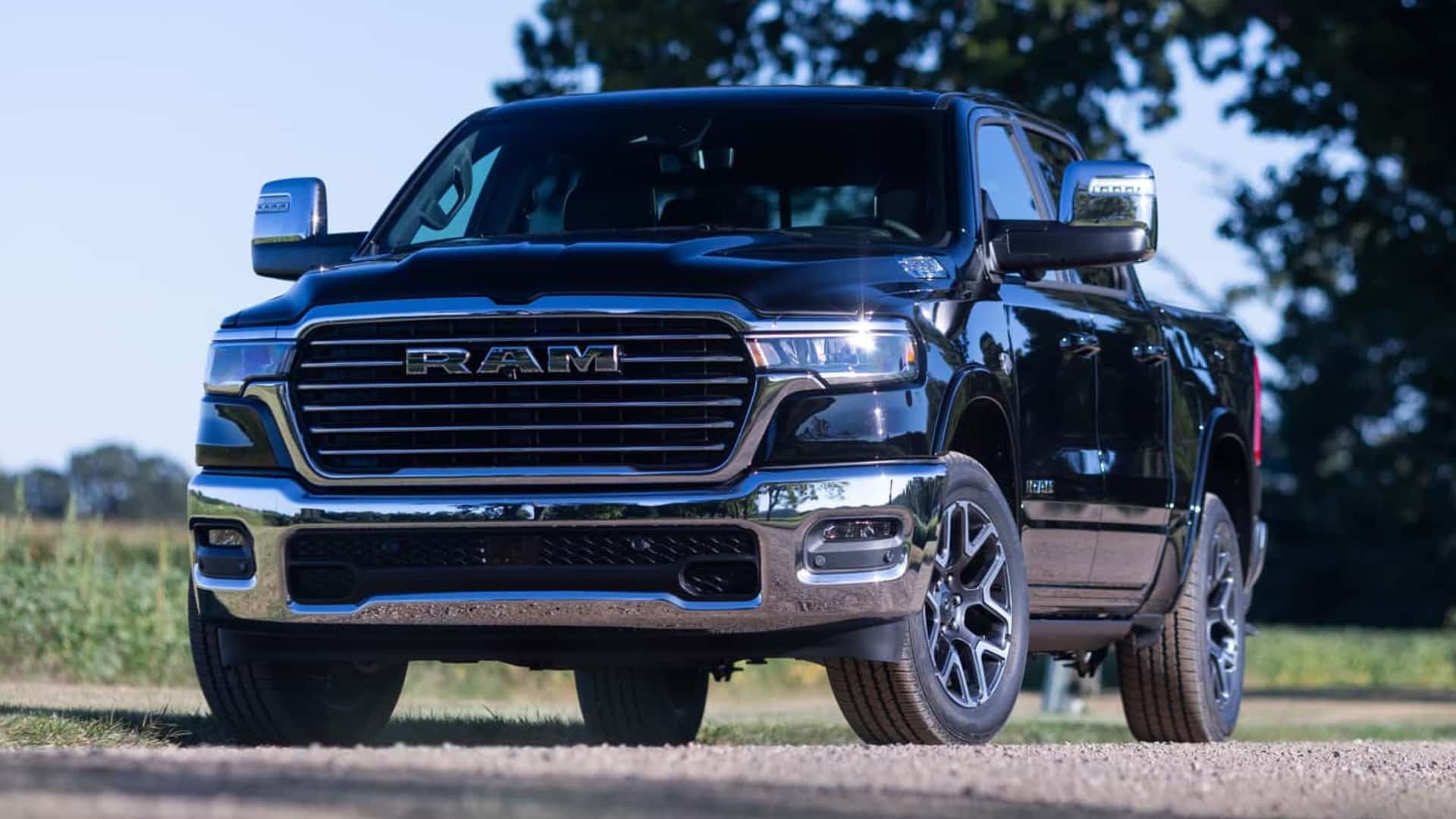
That is an uncomfortable ask for families who depend on their Ram as a daily driver. Fleet operators face a logistical headache too. Managing hundreds of affected VINs means pulling asset lists, running bulk checks, and scheduling repairs in waves to keep trucks on the road.
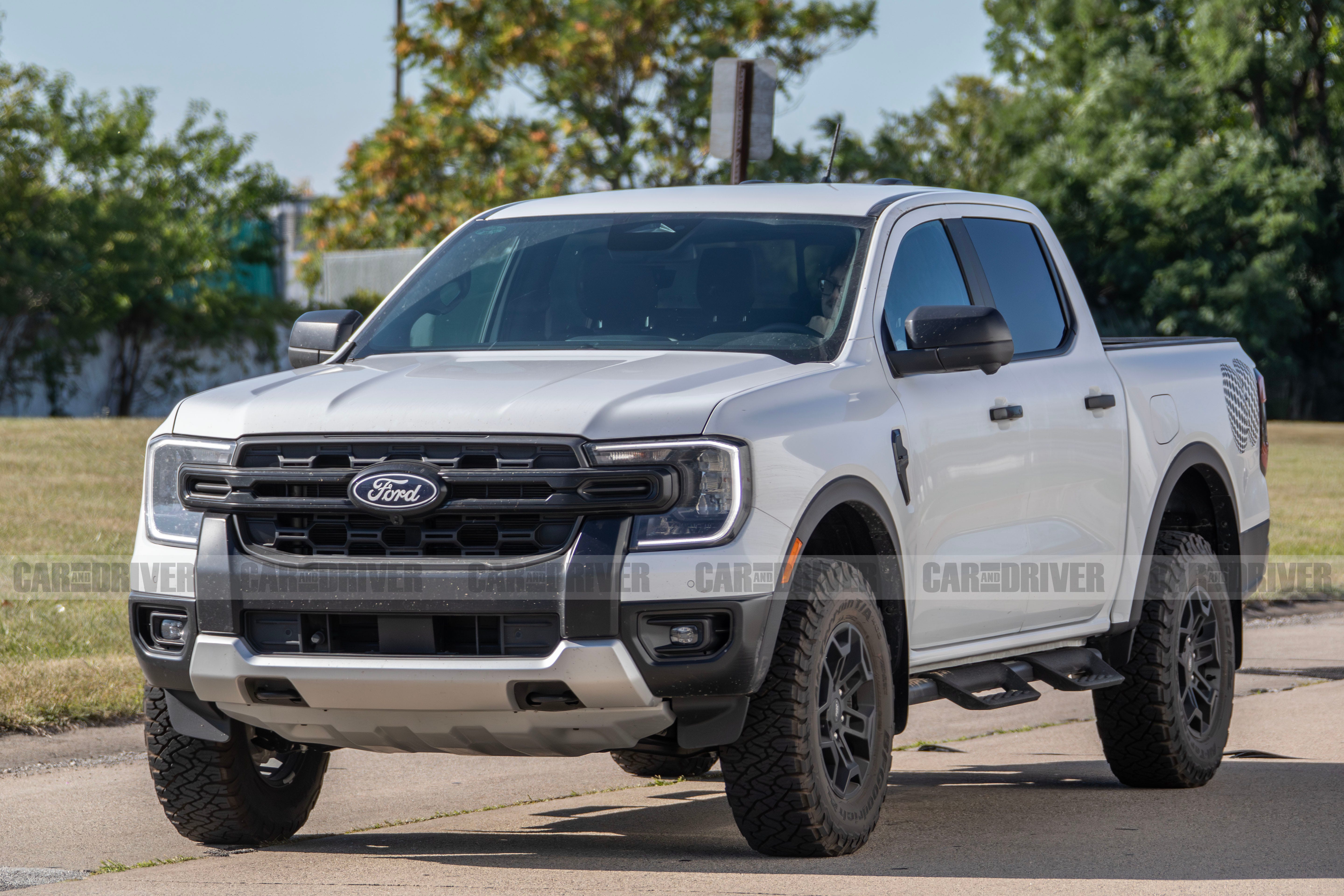
It is the same drill large fleets have run through on recent Ford Bronco and Ranger seat bolt recalls and Jeep Wrangler fire-risk campaigns. Routine by now, but still costly in time and coordination.
Seven model years of production. Over 1.5 million units worldwide. A single anchor point that may or may not have been torqued to spec on the assembly line.
The scope here is staggering, and it raises a basic question about quality control at the Sterling Heights and Saltillo plants where these trucks were built. A fastener not fully secured is not a design flaw or a supplier defect. It is a process failure, and for it to persist across that many model years suggests it was not caught by end-of-line checks.
Stellantis has been trimming costs and restructuring operations across its brands since the merger that created the company in 2021. Ram has been one of the profit engines keeping the whole enterprise afloat. The 1500 is the bread and butter, the truck that funds everything from the new Hurricane inline-six program to the electric Ram 1500 REV that keeps getting delayed.
A recall this large does not threaten the brand’s survival. It does, however, land at a moment when Stellantis can least afford questions about whether its factories are bolting trucks together correctly. CEO Carlos Tavares has already faced pointed criticism from dealers and investors over quality and inventory issues.
Owner letters go out August 18. The fix is straightforward. Whether the root cause gets the same attention is another matter entirely.
Share this Story