
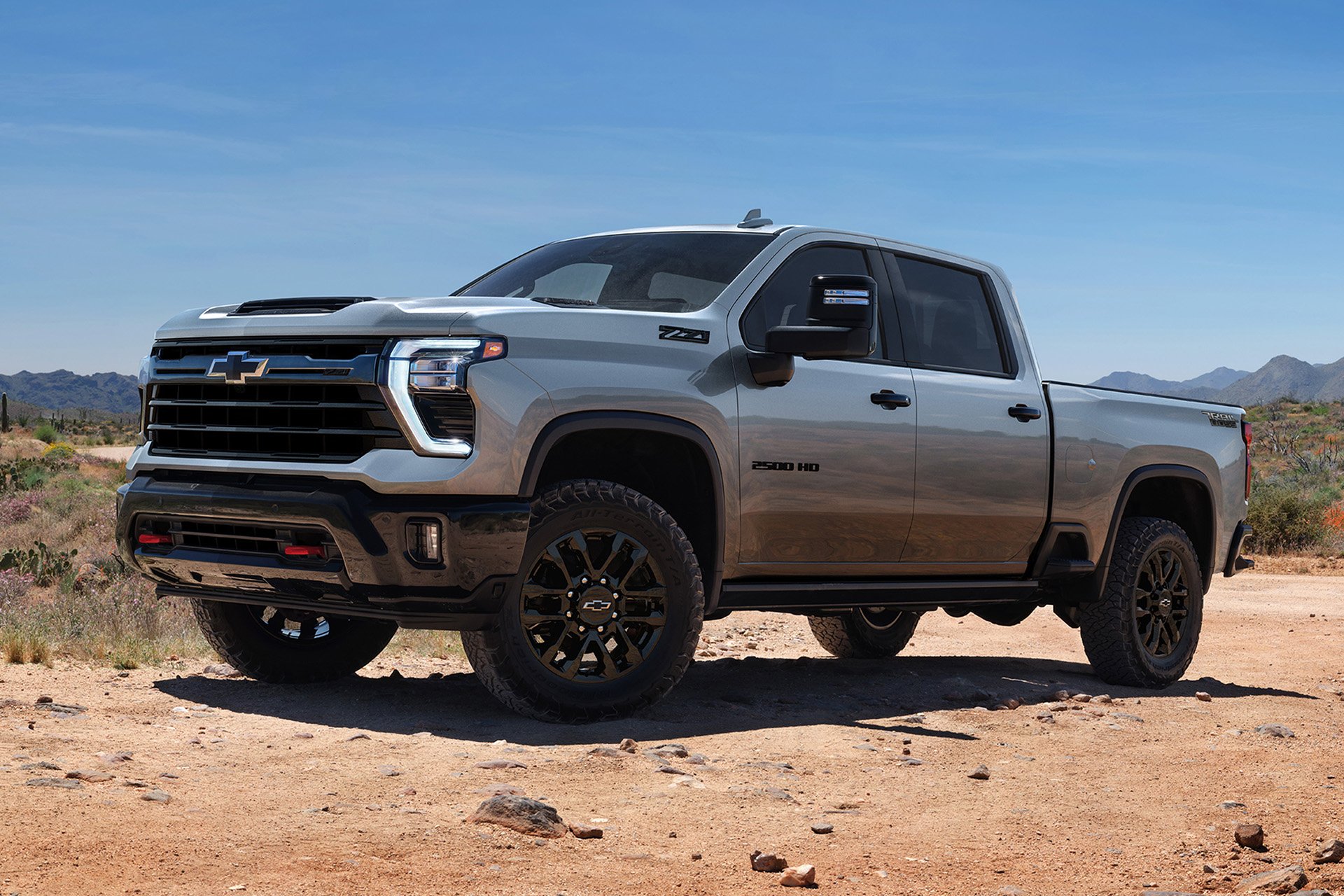


Your diesel truck’s particulate filter might be clogging itself from the inside out, and the culprit has been sitting in your crankcase this whole time.
A new category of engine oil, designated API PC-12, is engineered specifically to stop conventional oil additives from gunking up diesel particulate filters. The American Petroleum Institute approved the license earlier this year, and the first bottles should hit shelves on January 1, 2027, timed to coincide with the EPA’s toughest heavy-duty emissions standards yet.
Shawn Whitacre, principal engineer at Chevron Lubricants, laid out the problem on a recent episode of The Diesel Podcast. Every diesel engine consumes a small amount of oil during normal operation, and that oil ends up in the exhaust stream. Traditional additives like zinc, phosphorus, calcium, and magnesium produce sulfated ash when burned.
That ash accumulates in the DPF, restricting flow and triggering more frequent, fuel-wasting regeneration cycles. “We actually had to, by requirement, start taking additive out and rebalancing these packages,” Whitacre said. The industry has been chasing this problem since DPFs became standard equipment between 2007 and 2010.
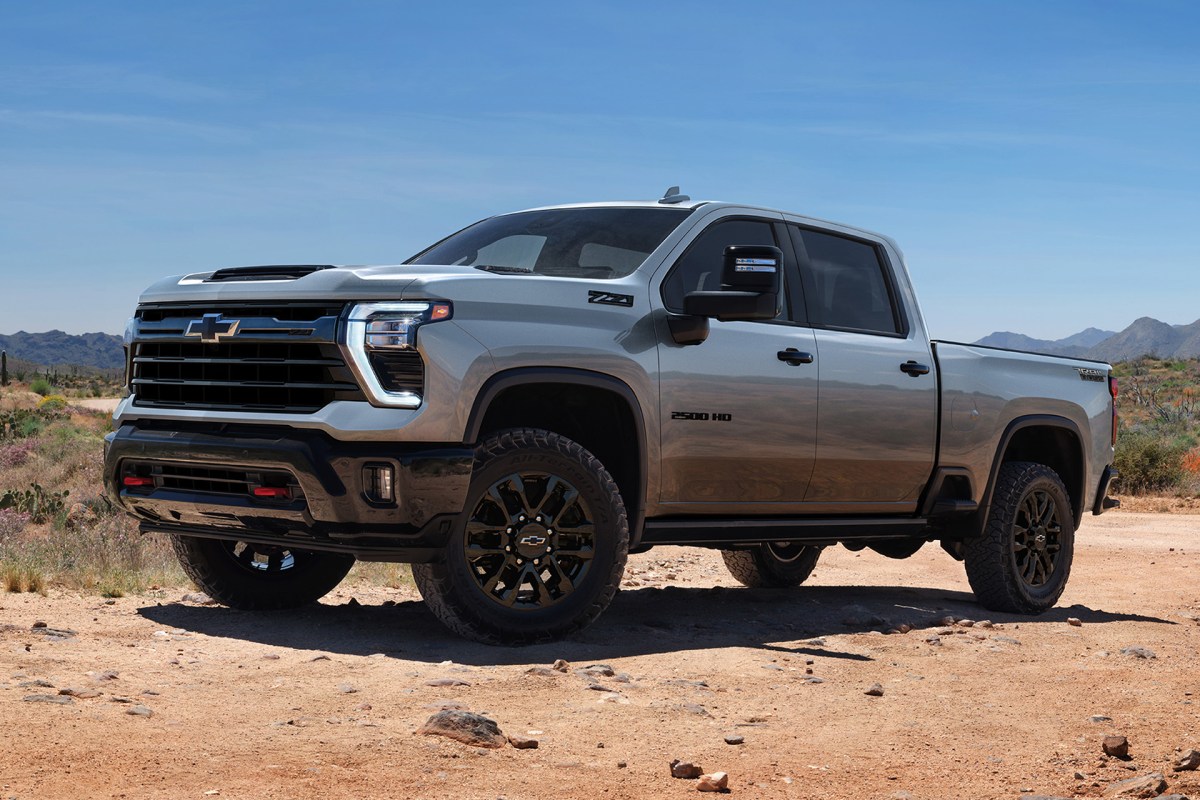
PC-12 oils take a different approach. Instead of metal-based anti-wear and acid-neutralizing compounds, formulations like Chevron’s new Delo 600 family rely on synthetic dispersants and non-metallic anti-wear agents. Less metal in the oil means less ash in the exhaust means fewer problems downstream.
The chemistry is backward compatible with engines built from 1998 forward. The push comes from EPA 2027 regulations that demand a 50 percent reduction in particulate emissions and up to 90 percent cuts in nitrogen oxide output from heavy-duty diesel engines. Those targets require reworked DPFs, exhaust gas recirculation systems, and selective catalytic reduction equipment.
Engine manufacturers told the oil industry they needed new lubricants to make the hardware work. Two sub-categories split the PC-12 designation. API FB-4 oils carry ultra-low viscosity profiles designed for next-generation commercial engines with tighter clearances and efficiency targets.
API CL-4 oils maintain the higher viscosity that pickup truck diesels need, with high-temperature, high-shear properties suited to Cummins, Ford Power Stroke, and GM Duramax applications. That distinction matters. Running an FB-4 oil in a light-duty truck could mean insufficient film strength for the engine’s pumps and bearings, so pickup owners should stick with CL-4.
The diesel aftermarket has spent years selling DPF delete kits and tuners to frustrated owners who were tired of regeneration cycles and clogged filters. The irony is that some portion of those DPF headaches may have been accelerated by the very oil keeping the engine alive. It’s a design tension that has existed for nearly two decades, and only now is the lubricant side of the equation catching up.
Whether PC-12 oils actually reduce real-world DPF failures and regeneration frequency at the scale Chevron and the API suggest remains to be seen. The formulations look sound on paper. But diesel owners have heard promises about emissions equipment reliability before, and the aftermarket delete industry exists precisely because those promises fell short.
The first real test comes in January 2027, when trucks rolling off assembly lines and oil rolling off store shelves finally speak the same chemical language.





Share this Story