
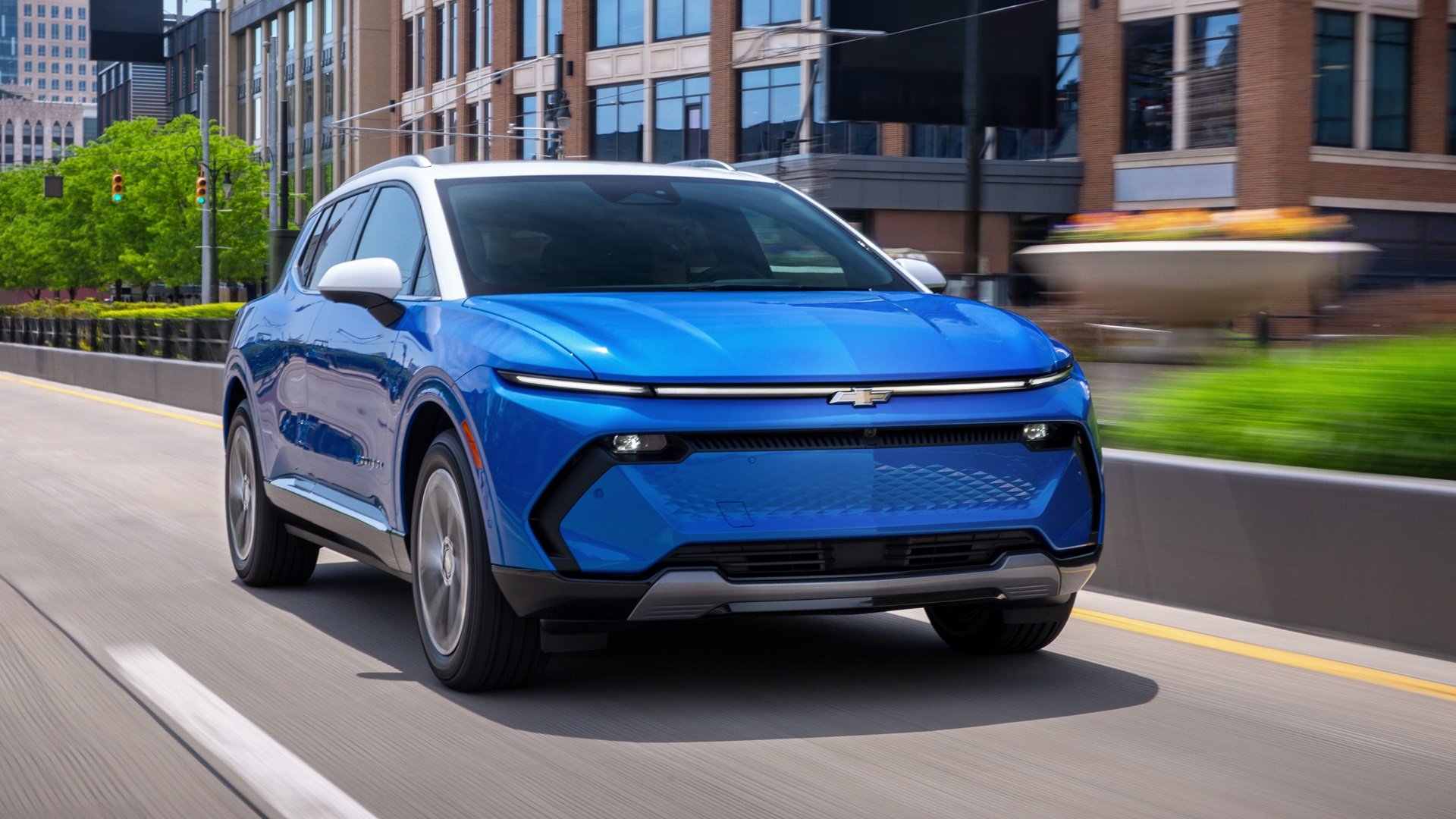


Electric vehicles reduce emissions by 40 to 60 percent compared to gas-powered cars “in most locations,” according to a study published this May in Environmental Research Letters. That’s the headline number. The fine print is where it gets interesting.
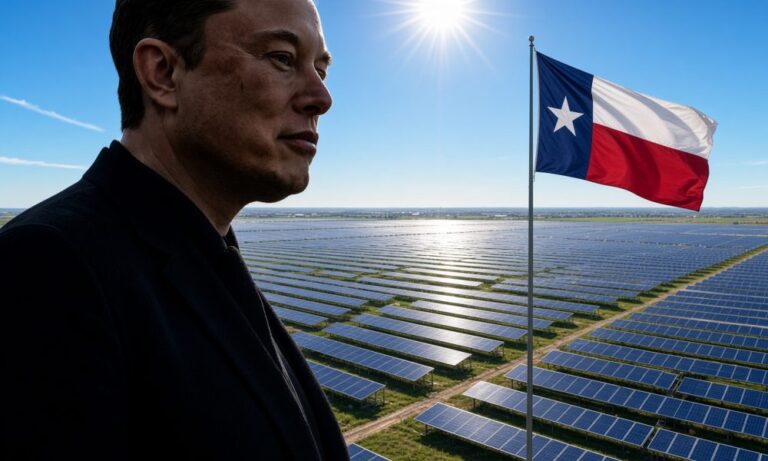
The single biggest variable isn’t the car itself. It’s the power plant feeding it. Coal-heavy grids drag EV emissions upward, while renewables push them down.
The study’s authors put it plainly: “The electricity mix is the most important contributor to these regional variations.” None of this is new ground. The Union of Concerned Scientists has tracked real-world EV emissions since the modern EV era began, and the trend line only moves in one direction.
As the U.S. grid has gotten cleaner, so have the cars plugged into it. Today, the UCS pegs the average American EV’s emissions at the equivalent of a 96-mpg gasoline car. No internal combustion engine on the market comes close to that number.
What the new research adds is granularity about how and where these cars are driven. Urban driving maximizes emissions savings. Rural driving erodes them.
Plug-in hybrids, often dismissed as half-measures, can apparently capture 80 to 90 percent of a full EV’s emissions benefit in consistent urban use — assuming owners actually charge them and drive in electric mode. That’s a big assumption, but the math is hard to ignore.
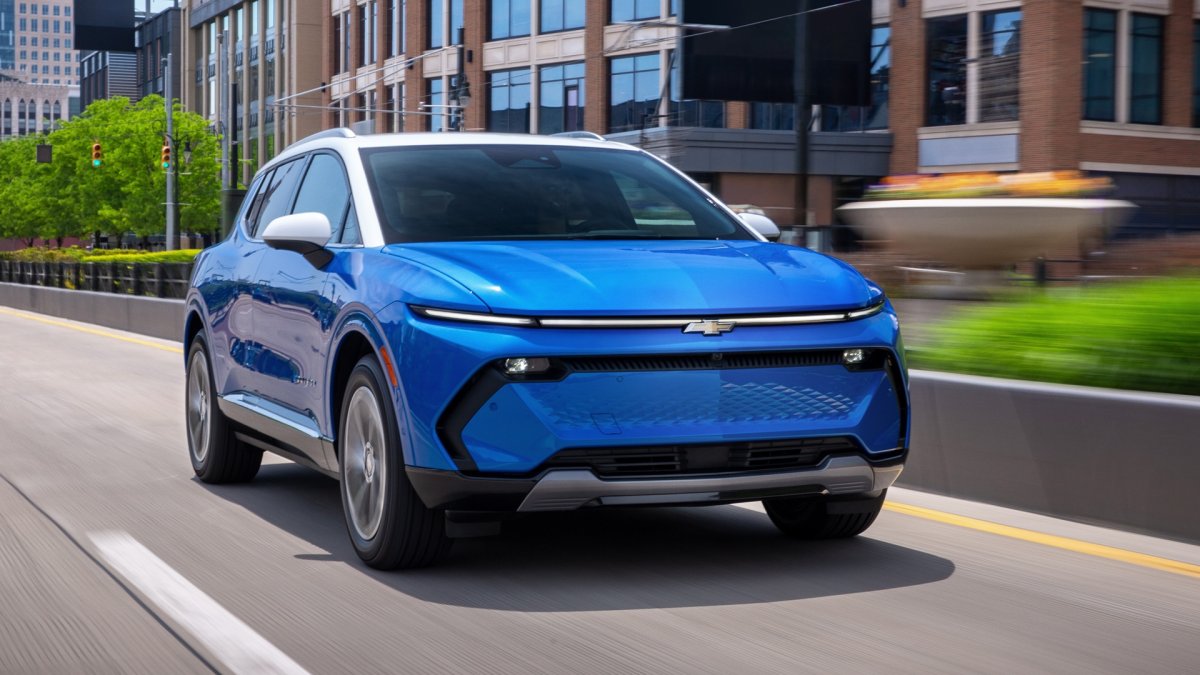
The fleet-level numbers are striking. A local government running high-mileage vehicles in urban environments would need just 9 percent EV adoption to cut fleet emissions by 10 percent. A rural fleet with lower annual mileage would need 42 percent adoption to hit that same target.
The gap between those two figures tells you everything about why a one-size-fits-all EV policy is a fantasy.
Climate, surprisingly, plays a smaller role than you’d expect. Extreme heat and cold do affect battery efficiency and range, but researchers found those effects moderate compared to grid composition and driving patterns.
Cost remains the other side of this equation. The study found EVs are already cost-competitive with internal combustion in many locations, with the spread between electricity and gasoline prices doing most of the work. Cheap power and expensive gas make EVs look brilliant. Flip those numbers and the calculus changes fast.
The arrival of more affordable models — Chevrolet’s Equinox EV, the forthcoming Slate pickup, Ford’s own budget entries — should widen the window of cost competitiveness. Sticker price has always been the barrier that emissions data alone couldn’t overcome.
This study won’t silence the critics who insist EVs are just moving the pollution from tailpipes to smokestacks. That argument had a kernel of truth a decade ago, when coal dominated more of the grid. It has less truth now, and it will have even less tomorrow.
The grid is decarbonizing whether the auto industry likes it or not. The real takeaway from this research isn’t that EVs are perfect. It’s that their advantage is already substantial and grows with every coal plant that shuts down, every solar farm that comes online, and every city bus route that goes electric.
The cars are only as clean as the system that powers them — and that system is getting cleaner every year.
Share this Story