
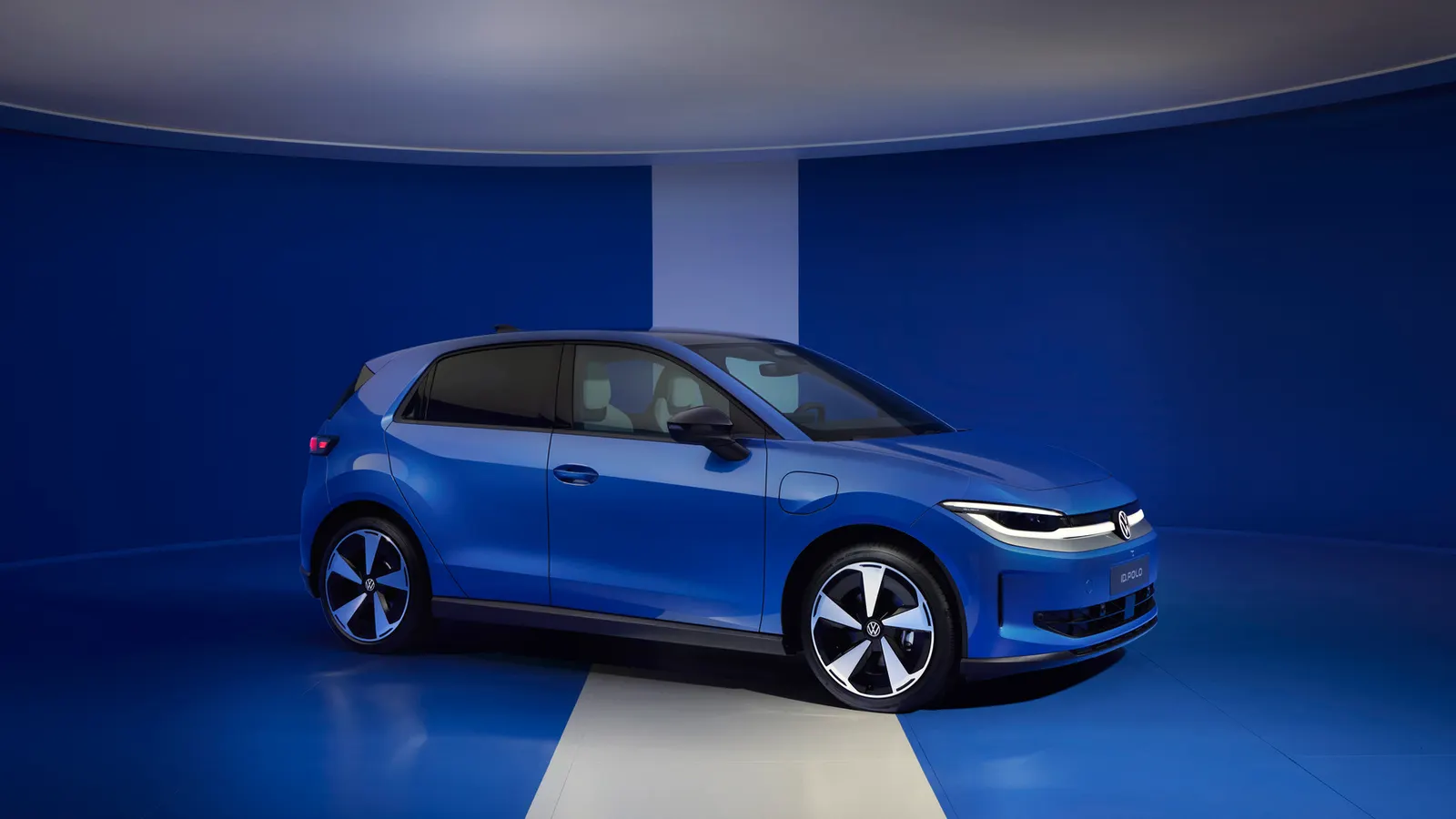


Volkswagen just pulled the wraps off a €24,995 electric hatchback that seats five, hits 283 miles of range, and charges to 80% in 24 minutes. It’s called the ID. Polo, and if you live in the United States, forget about it.
The compact EV, unveiled in Wolfsburg on April 29, represents VW’s most aggressive play yet to make electric cars affordable for ordinary Europeans. At roughly $29,320, it undercuts nearly every battery-electric vehicle currently on sale while packing technology borrowed from cars costing twice as much.
The timing is pointed. Volkswagen revealed the ID. Polo the same month it confirmed the end of ID.4 production at its Chattanooga, Tennessee, plant, a facility now pivoting to the next-generation Atlas SUV. The message from Wolfsburg is clear: Europe gets the future of affordable EVs, and America gets another crossover.
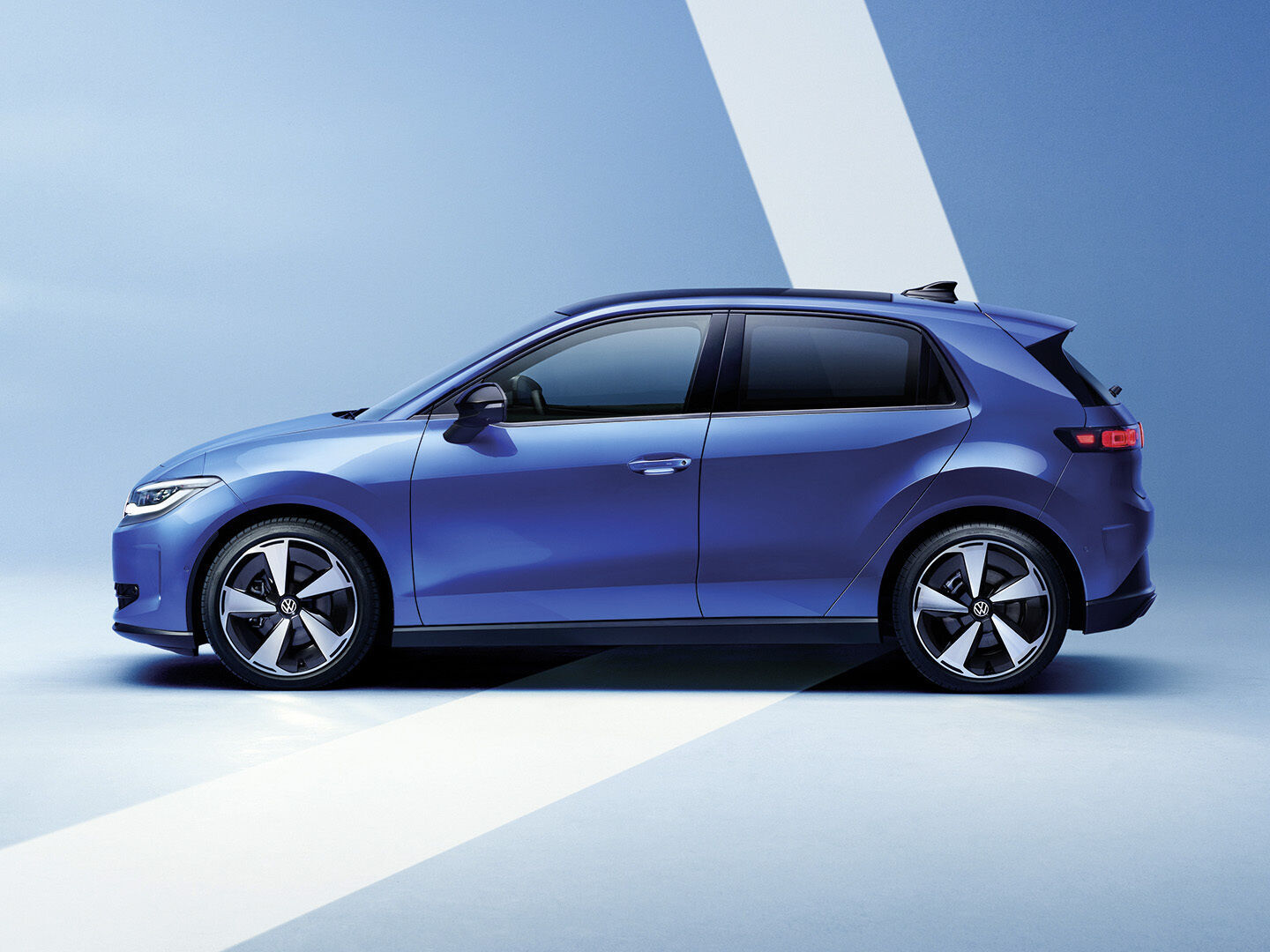
Built on VW Group’s new MEB+ platform, the ID. Polo ditches the rear-wheel-drive layout that defined the ID. family since the ID.3 launched in 2020. Front-wheel drive returns, trimming costs and liberating interior space. At 159.6 inches long, just nine inches shorter than a Golf GTI, the car is no city runabout.
Volkswagen itself insists it’s “much more than a city car,” and the numbers back that up: 15.6 cubic feet of cargo space and a genuine five-seat cabin. Three power levels span 114 hp to 208 hp, with a GTI variant rated at 223 hp waiting in the wings.
Two battery options — a 37-kWh lithium iron phosphate pack and a 52-kWh nickel manganese cobalt unit — cover the spread between budget buyers and range-anxious commuters. DC fast charging at up to 105 kW is standard across the lineup, not an option box to tick.
The naming matters, too. Volkswagen abandoned its sterile ID-plus-number convention and reached back 50 years for the Polo badge. It’s a tacit admission that the clinical branding of the early EV push never built the emotional connection the company needed. Calling it a Polo tells European buyers exactly what this car is supposed to be: the modern people’s car.
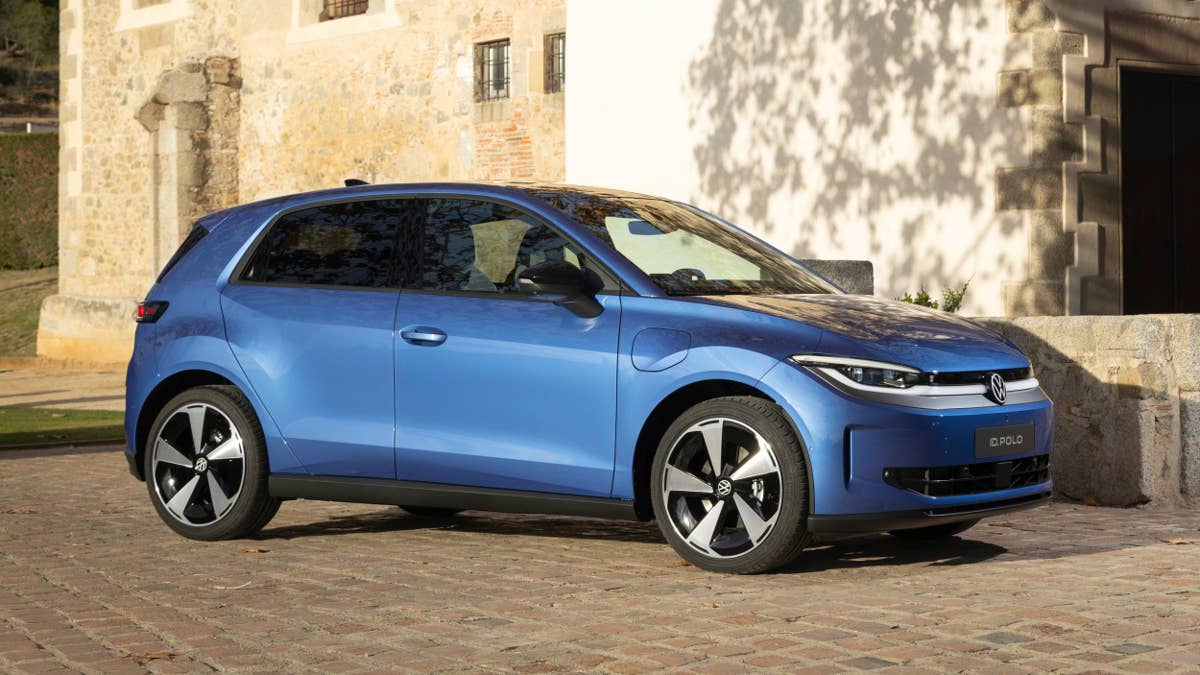
Inside, VW corrected another early mistake. Physical buttons are back alongside a 13-inch touchscreen and 10-inch digital instrument cluster. The cabin also gets Connected Travel Assist with traffic-light recognition and vehicle-to-load capability, features that until recently lived only in VW’s pricier electric models.
Thomas Schäfer, VW’s passenger car CEO, called the ID. Polo an effort to make “electric mobility accessible to many more people.” That accessibility, however, stops at the Atlantic Ocean.
VW’s decision to keep the ID. Polo out of North America isn’t surprising, but it is revealing. The American EV market remains fixated on trucks, SUVs, and crossovers. Compact hatchbacks have been commercial poison here for years, electric or not.
Volkswagen tried with the e-Golf, watched it wither, and has no appetite for a second lesson. The result is a widening gap between what European and American consumers can buy. Sub-$30,000 EVs are proliferating across the EU — from Citroën’s ë-C3 to Renault’s R5 — while the cheapest new EV in America still hovers near $30,000 before incentives and rarely delivers this kind of range or packaging.
Volkswagen built exactly the kind of electric car the world said it wanted: small, affordable, practical, well-equipped. It just built it for the wrong continent — if you happen to live on this one.

Share this Story