
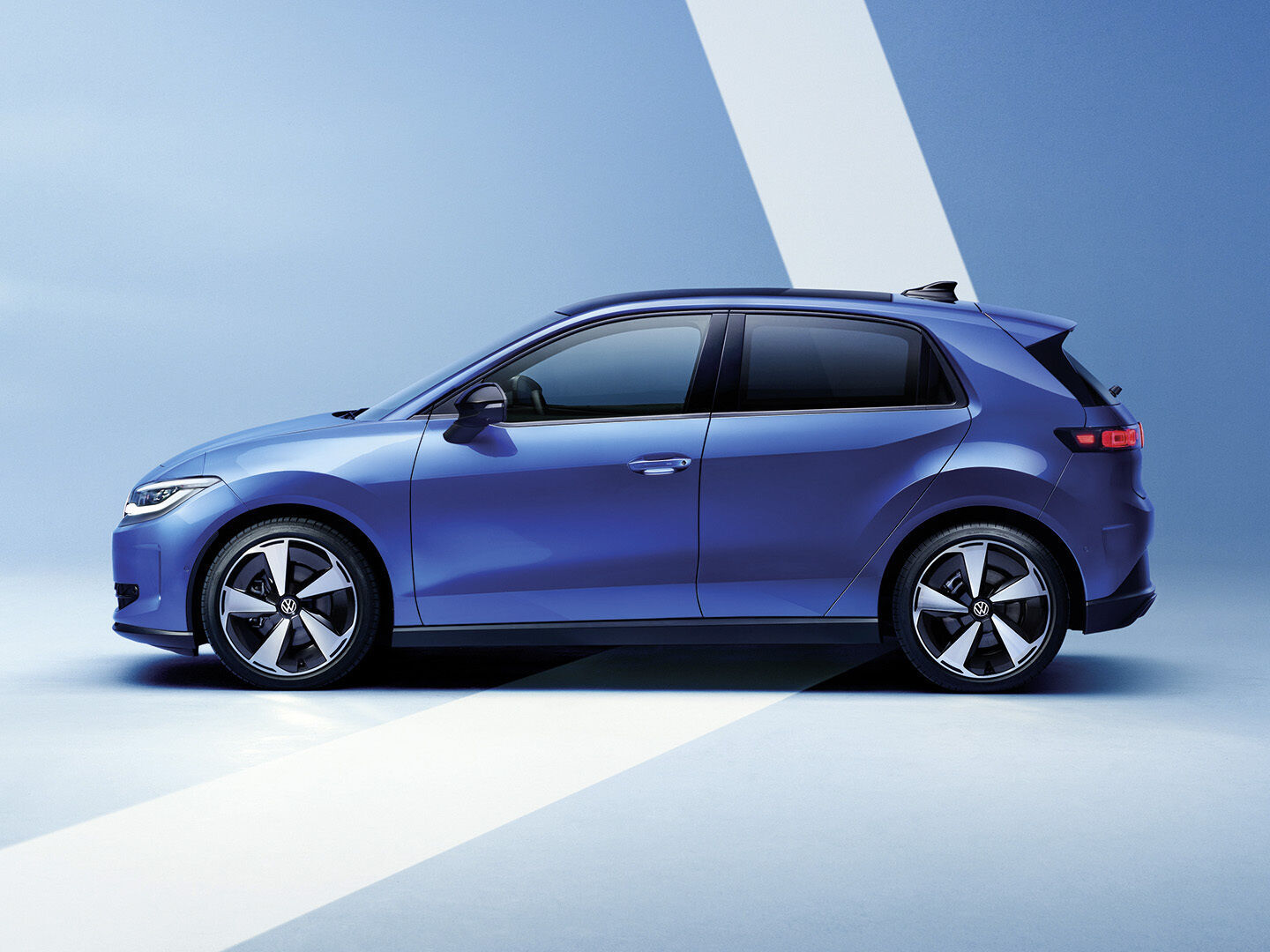


Volkswagen just put a price on the electric revolution’s next front: 24,995 euros. That’s the starting tag for the new ID. Polo, unveiled today in Wolfsburg. It represents the most aggressive move yet by Europe’s largest automaker to drag affordable EVs into the mainstream.
Up to 454 kilometers of WLTP range from a 52 kWh NMC battery. DC fast charging from 10 to 80 percent in roughly 24 minutes. Three power levels — 85 kW, 99 kW, and 155 kW — covering everything from urban commuters to drivers who want genuine punch.
The base models get a 37 kWh lithium iron phosphate battery good for 329 kilometers. That’s more than enough for the daily grind and then some.
This is not a compliance car. This is Volkswagen betting the Polo nameplate — a badge that has moved over 20 million units across five decades — on a fully electric future.
Built on the MEB+ platform with front-wheel drive, the ID. Polo stretches 4,053 mm long with a 2,600 mm wheelbase. That’s compact by any measure, but VW claims interior packaging that embarrasses cars a class above. The luggage compartment jumps 25 percent over the combustion Polo, from 351 to 441 liters, with 1,240 liters available when you fold the rear seats.
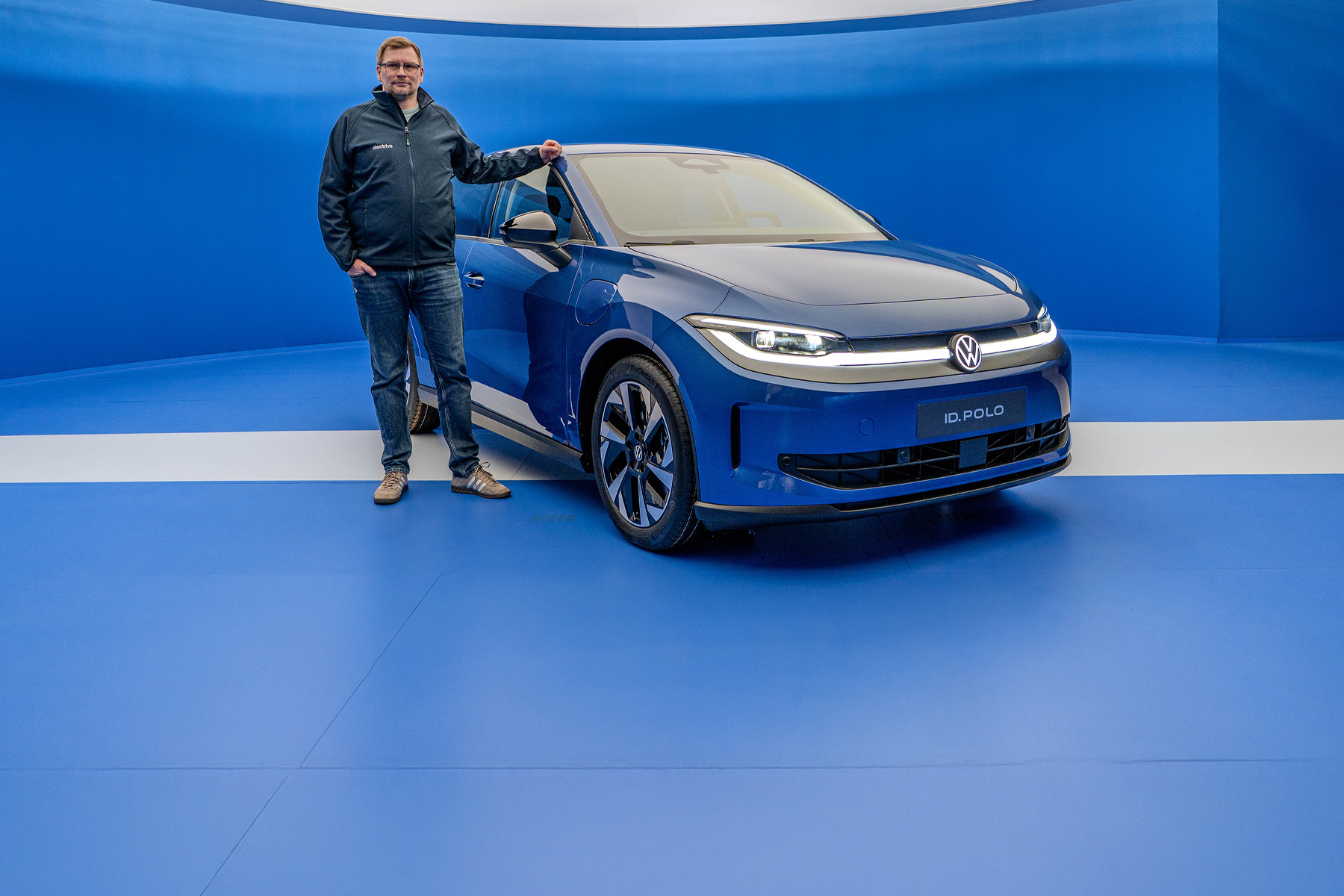
The tech sheet reads like it was borrowed from a car twice the price. Connected Travel Assist with automatic traffic light recognition is available as an option — a first in this segment. One-pedal driving comes standard.
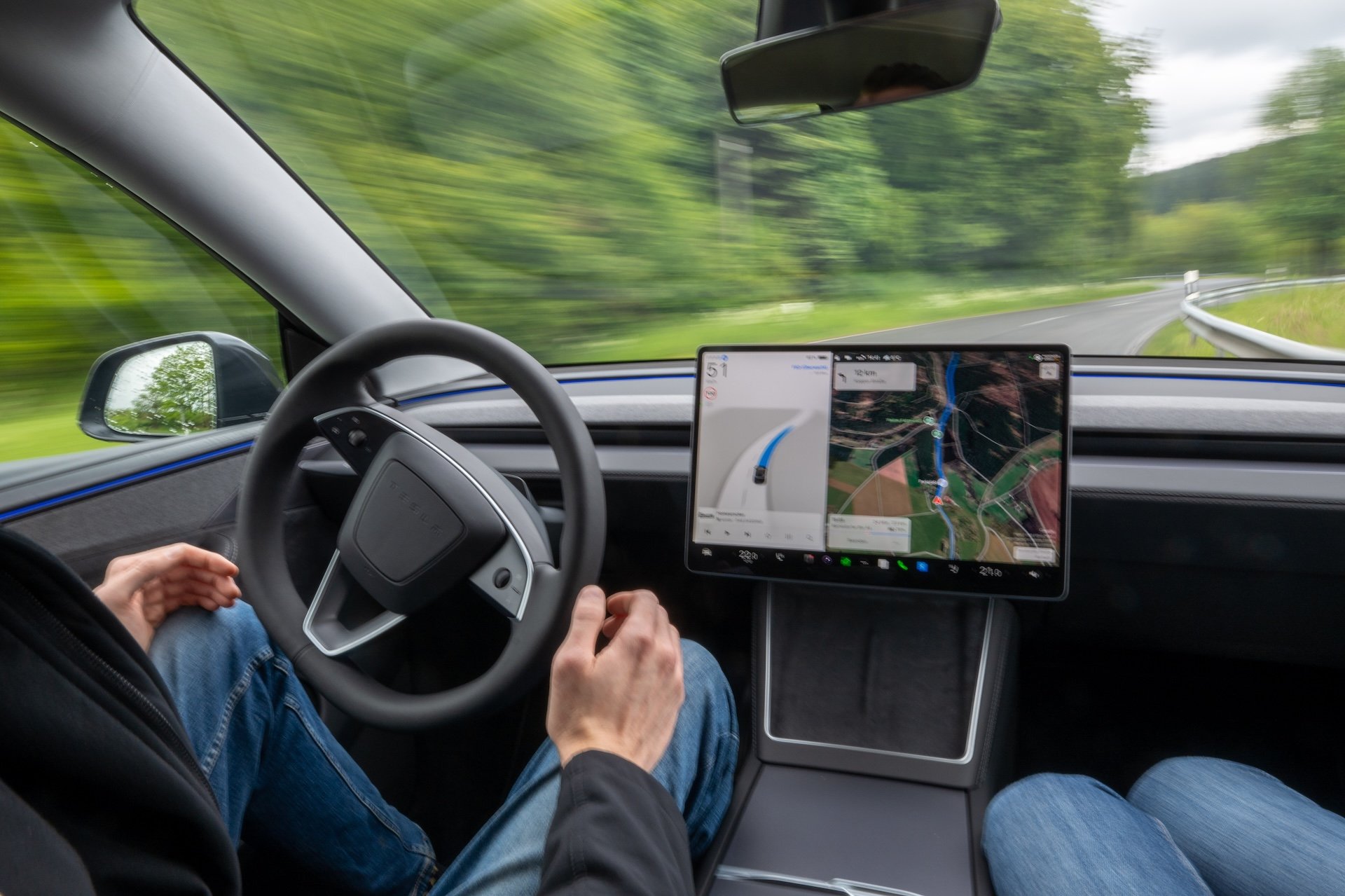
A 13-inch infotainment screen and 10-inch digital cockpit are part of even the base Trend trim. Vehicle-to-load capability lets the car power external devices. DC fast charging isn’t an upgrade; it’s included on every single variant.
Thomas Schäfer, VW brand CEO, called it “electric mobility accessible to many more people.” Strip away the corporate polish and what he’s really saying is that Volkswagen watched the Chinese competition eat into the affordable EV space and decided it was done watching.
The design follows VW’s new “Pure Positive” language under chief designer Andreas Mindt, making the ID. Polo the first production car to fully adopt the philosophy. There’s a deliberate C-pillar nod to the original Golf, which feels like VW reaching back to remind everyone it once democratized the automobile in Europe. The interior even includes a retro display mode mimicking the Golf I facelift’s instrumentation — a neat trick that signals confidence rather than desperation.
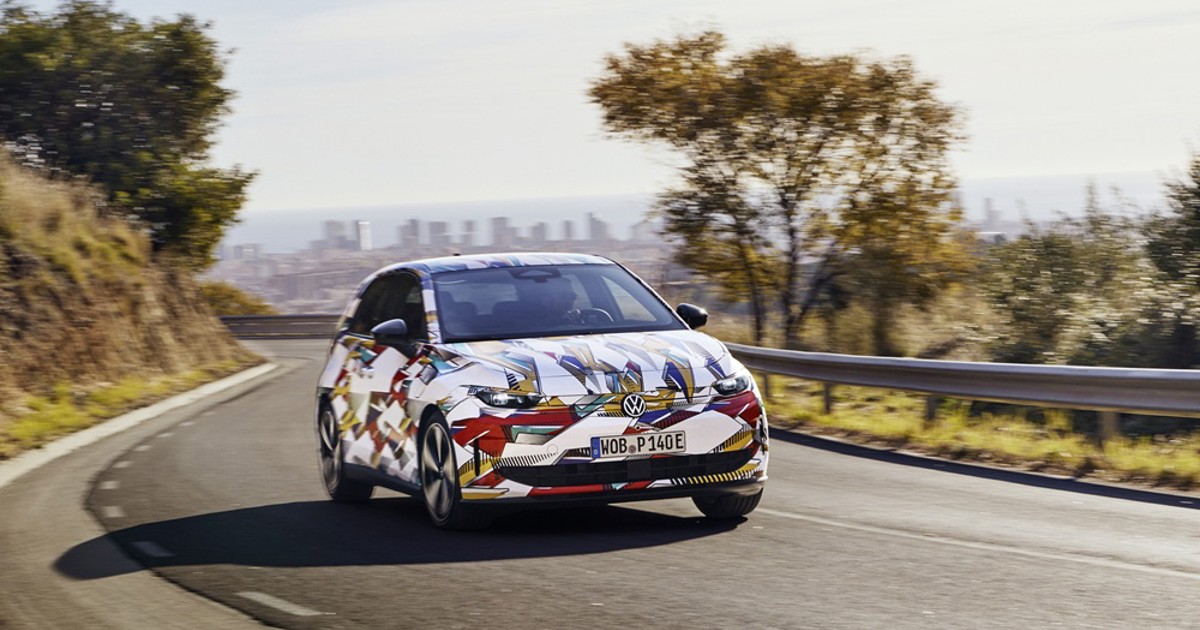
Three trim levels — Trend, Life, and Style — structure the lineup. The entry Trend gets LED headlights with automatic high beams, Side Assist, Lane Assist with Emergency Assist, and that standard DC charging. Life adds adaptive cruise control, a rear camera, and parking sensors.
Pre-sales opened immediately in Germany. Production will happen in Wolfsburg, keeping the political and labor implications squarely on home turf at a time when VW’s German workforce has been anxious about plant utilization.
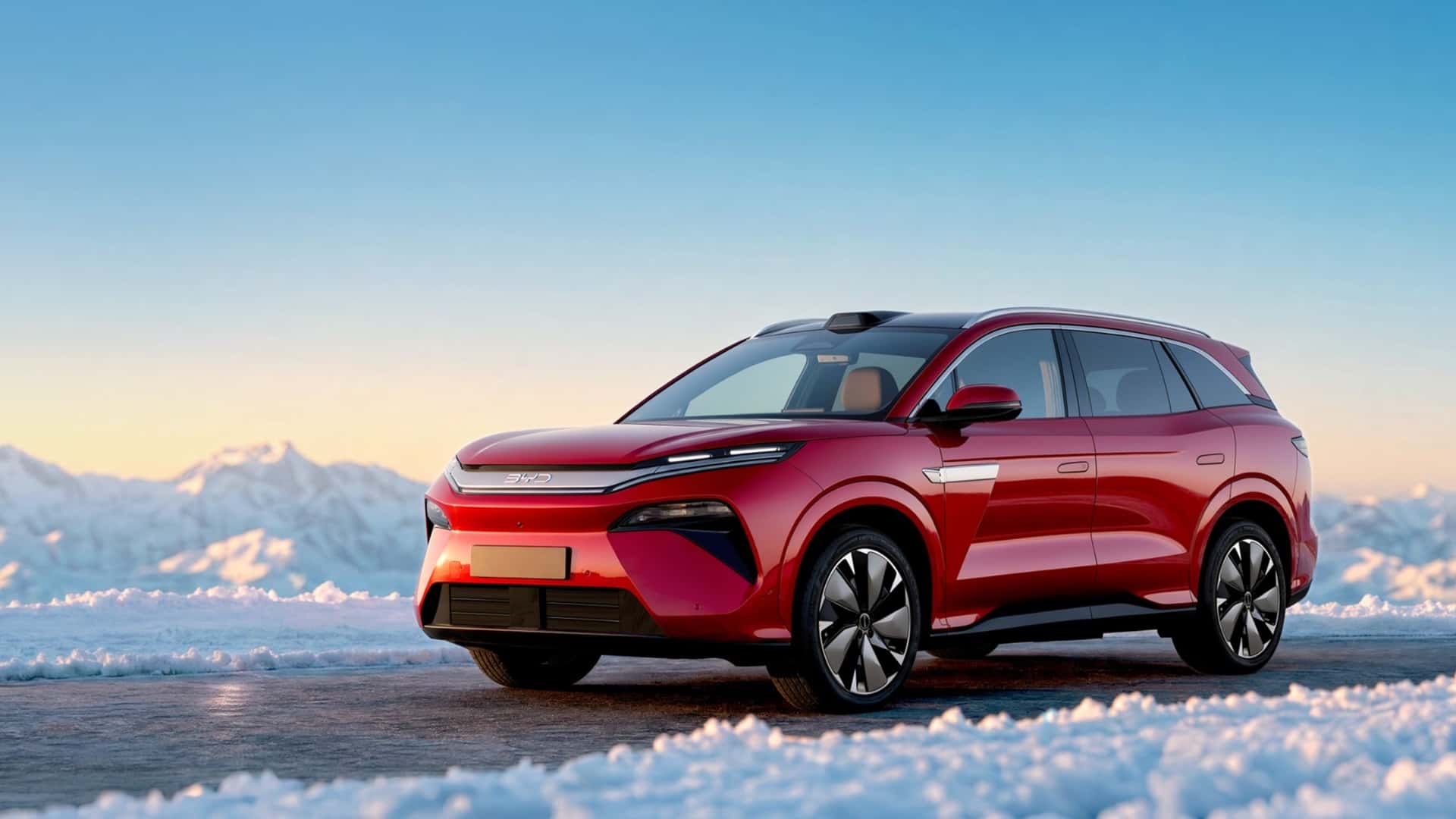
The ID. Polo arrives into a segment that barely existed two years ago and is now the most contested territory in the European EV market. BYD’s Dolphin, the Citroën ë-C3, and Renault’s upcoming electric supermini all circle the same buyers. Volkswagen’s answer is to throw its most recognizable small-car nameplate into the ring, undercut expectations on price, and overdeliver on range and technology.
Whether the margins work at 24,995 euros is a question VW will have to answer on a future earnings call. But for now, the ID. Polo does something no other European-brand electric small car has managed: it looks like a car people would actually want to buy, not one they’d settle for.
Share this Story