
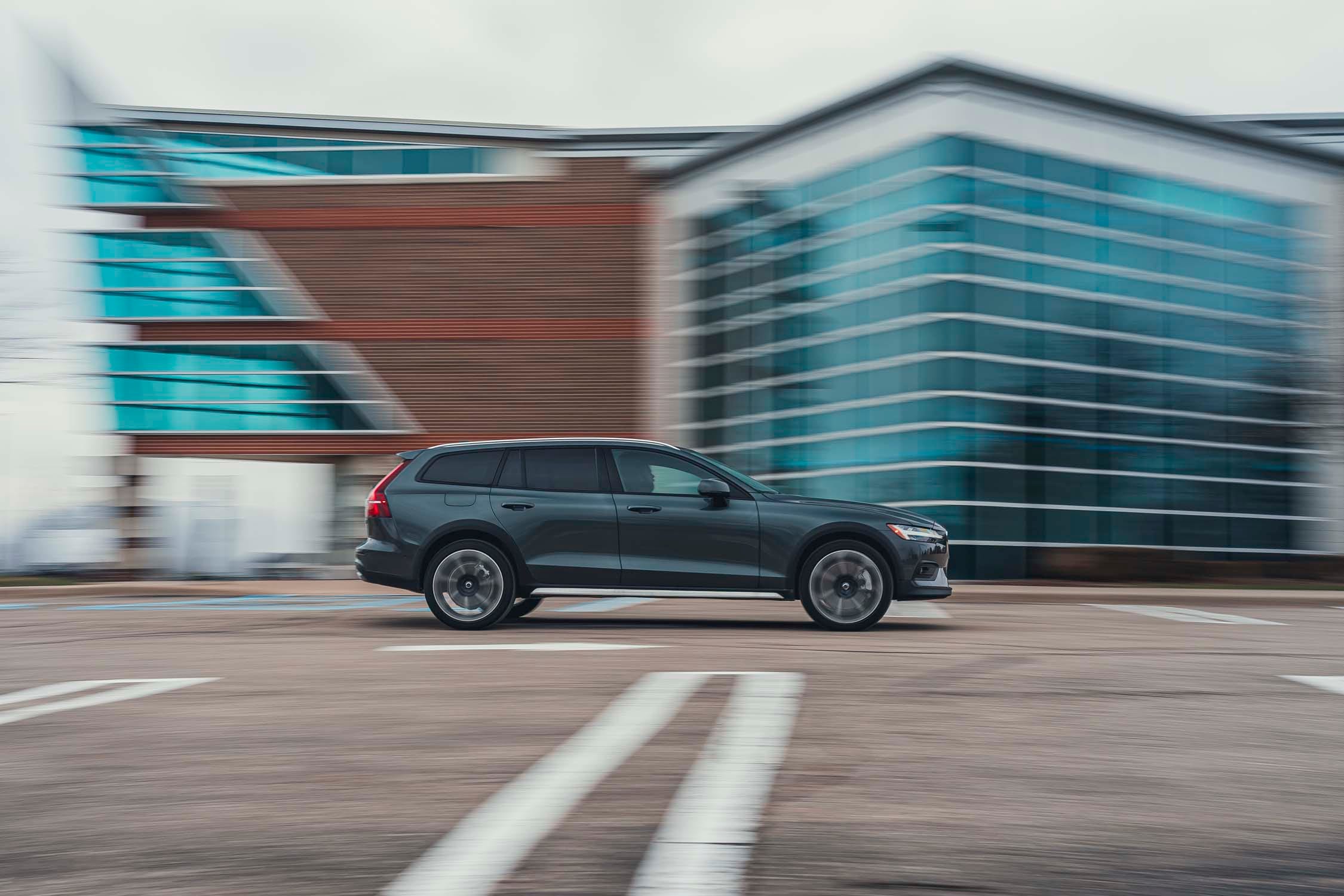


Volvo will not sell a single station wagon in the United States after 2026. The V60 Cross Country and V90 Cross Country are both dead here. The lineup going forward is all SUVs, all the time.
And yet Volvo CEO Håkan Samuelsson is out there telling anyone who will listen that wagons are coming back. That takes a particular kind of nerve — or maybe just Swedish optimism.
In an interview with Motor1, Samuelsson predicted the market will swing back toward long-roof models within the next decade. I think we believe that the market may have gone a bit too far into a single SUV market,” he said. He even hinted that Volvo is actively investigating new wagon models, promising the brand “will not only have SUVs 5 years from now.
So the company that just pulled the plug on its last two wagons in America is already talking about building new ones. That’s either a plan or a contradiction. Right now, it looks a lot like both.
Samuelsson’s argument has two legs. The first is physics. Station wagons sit lower and slice through the air more cleanly than SUVs.
As Volvo pushes deeper into electrification, aerodynamic efficiency becomes range efficiency, and range is the currency that matters most in the EV era. A wagon’s smaller frontal area is a genuine engineering advantage over anything riding on stilts.
The second argument is cultural, and it’s the shakier of the two. Samuelsson believes younger buyers will reject SUVs the same way their parents rejected the wagons of the 1980s and ’90s. Generational rebellion as market force.
It’s a tidy theory, but betting the product plan on the aesthetic whims of Gen Z is a gamble no spreadsheet can validate.
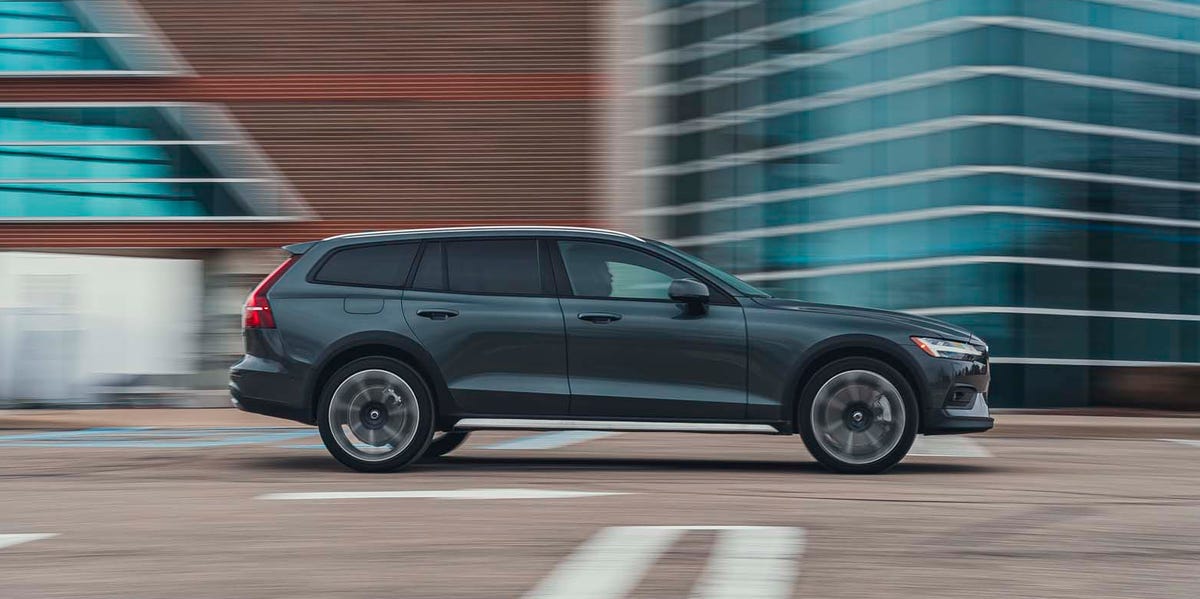
The uncomfortable truth is that Volvo didn’t kill its wagons because they were bad cars. The V60 Cross Country was a genuinely pleasant machine — handsome, capable, and composed. It died because Americans wouldn’t buy it in sufficient numbers.
Volvo sold a tiny fraction of its U.S. volume in wagon form while the XC60 and XC90 moved in droves. The market spoke clearly, and Volvo listened.
That makes Samuelsson’s prediction less a bold stance and more a hedge. Volvo gets to exit the wagon business today while keeping the brand mythology alive for tomorrow. The wagons are gone, but the story of Volvo-as-wagon-company endures, waiting to be reactivated whenever the spreadsheets cooperate.
There’s also the question of what “wagon” even means in this context. Volvo’s recent EV designs — the EX90, the forthcoming EX60 — are clearly SUVs. But a lower, sleeker electric vehicle with a long roofline and usable cargo space could blur the line between wagon and crossover in ways that let marketing departments claim victory no matter what shape the sheetmetal takes.
Volvo isn’t the only company eyeing this space. Porsche has the Taycan Sport Turismo. BMW still sells wagon variants in Europe. The appetite exists, just not at volume.
Samuelsson is right that aerodynamics will increasingly dictate vehicle shapes as electrification deepens. He may even be right that cultural tastes will shift. But making that prediction while zeroing out your wagon inventory is the automotive equivalent of closing the restaurant and promising the food will be better when you reopen.
Volvo’s wagons deserved a longer life in America. Whether they get a second one depends entirely on whether the next generation of buyers cares about the same things Volvo’s CEO hopes they will.
Share this Story