


Antonio Filosa stood at the Paris Motor Show this week and said something that would have been unremarkable two years ago but now carries real weight: Stellantis is not done with electric vehicles in America.
The CEO’s comments came after a brutal 2025 that saw $26 billion in EV-related write-offs, mostly from North American operations. That kind of financial crater tends to change corporate theology. At Stellantis, it changed leadership first.
Carlos Tavares resigned in December 2024, and Filosa has spent the months since rewriting the playbook.
His FaSTLane 2030 strategy, unveiled in May, is built on a simple premise: stop building cars for regulators and start building them for buyers. The distinction matters more now than it did under the previous administration’s emissions push. With the Trump White House tilting hard toward fossil fuels, the regulatory pressure to electrify has largely evaporated.
So why keep launching EVs at all?
Filosa’s answer is pure market logic. “We are still launching EVs in the market because we believe that in the long run we will see an increase,” he told journalists. It is a measured bet, not a moonshot.
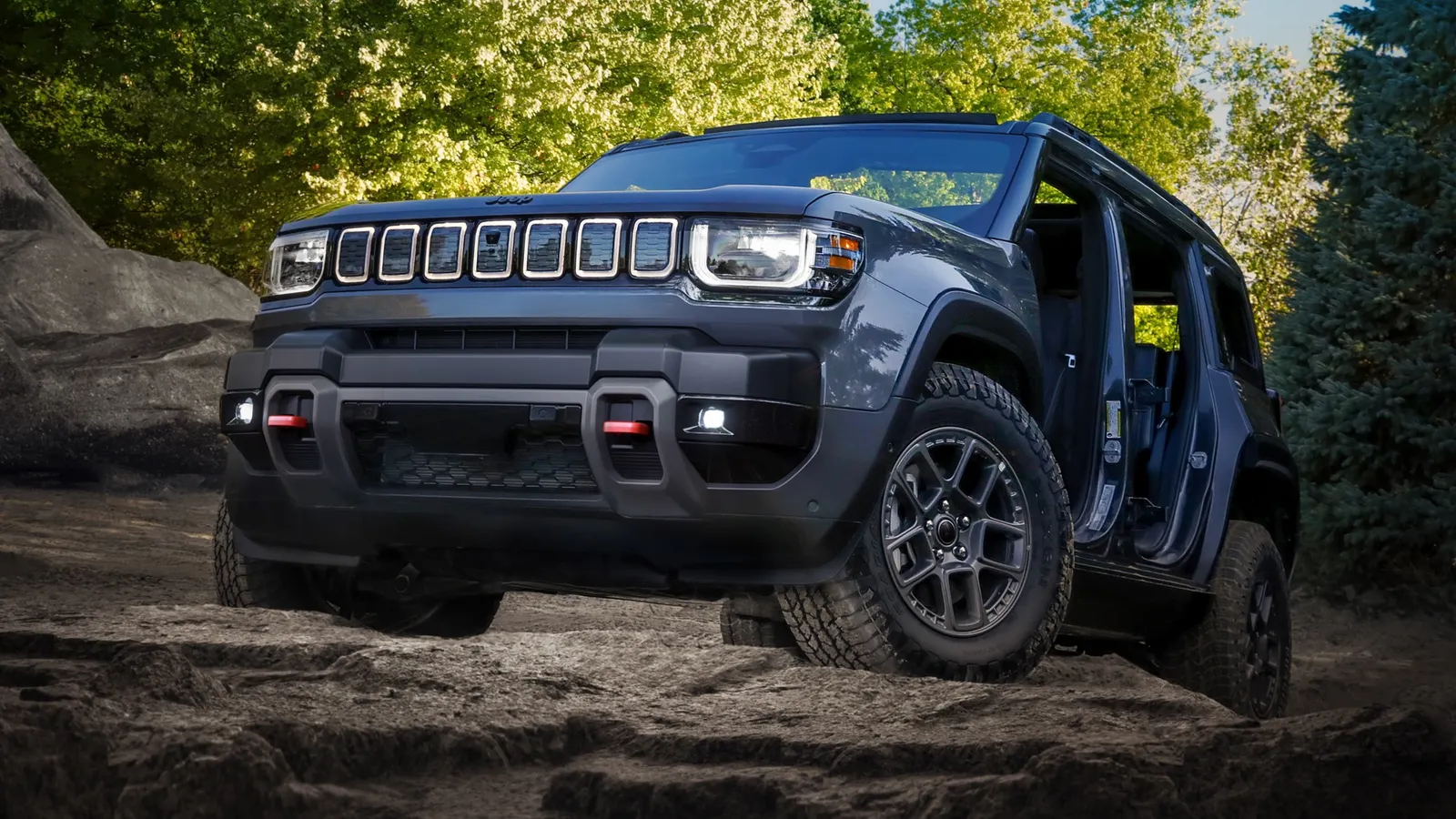
The Jeep Recon EV is rolling out, the Wagoneer S remains on hiatus but not canceled, and more fully electric models are in the pipeline. Stellantis is not flooding the zone. It is keeping a foot in the door.
The numbers right now do not exactly scream urgency. EVs accounted for just 6.4% of all U.S. vehicle sales in the third quarter. That is growth from a few years ago, but it is not the kind of trajectory that justifies betting the farm.
Filosa knows this. His comments about pickup truck buyers wanting best-in-class towing, horsepower, torque, and payload were not accidental. Those customers are the profit engine, and they are not asking for battery packs.
The tension inside Stellantis mirrors what is happening across Detroit. Every major automaker is trying to straddle two worlds, pouring billions into electrification while the actual cash still flows from trucks and SUVs with big engines. GM has scaled back its Ultium ambitions.
Ford lost $4.7 billion on its EV unit last year. Stellantis ate $26 billion in write-offs and fired its CEO.
Filosa’s strategy amounts to regional triage. In Europe, where regulations remain strict and fuel prices stay high, Stellantis is planning bargain-basement EVs by 2028. In the U.S., the approach is more cautious, driven by what consumers actually want to buy rather than what Brussels or Washington tells them they should.
The $70 billion investment commitment attached to the five-year plan sounds enormous, but spread across 14 brands and multiple continents, it is a hedge, not a declaration of war. Stellantis is placing chips on multiple squares and waiting to see where the ball lands.
What makes Filosa’s Paris comments notable is the candor. He is not pretending the American EV market is about to explode. He is not pretending his company did not just absorb a historic financial blow from premature electrification bets.
He is saying, plainly, that demand will grow eventually and Stellantis intends to be ready when it does. Whether “eventually” arrives before the money runs out is the question nobody at the Paris Motor Show wanted to answer.


Share this Story