
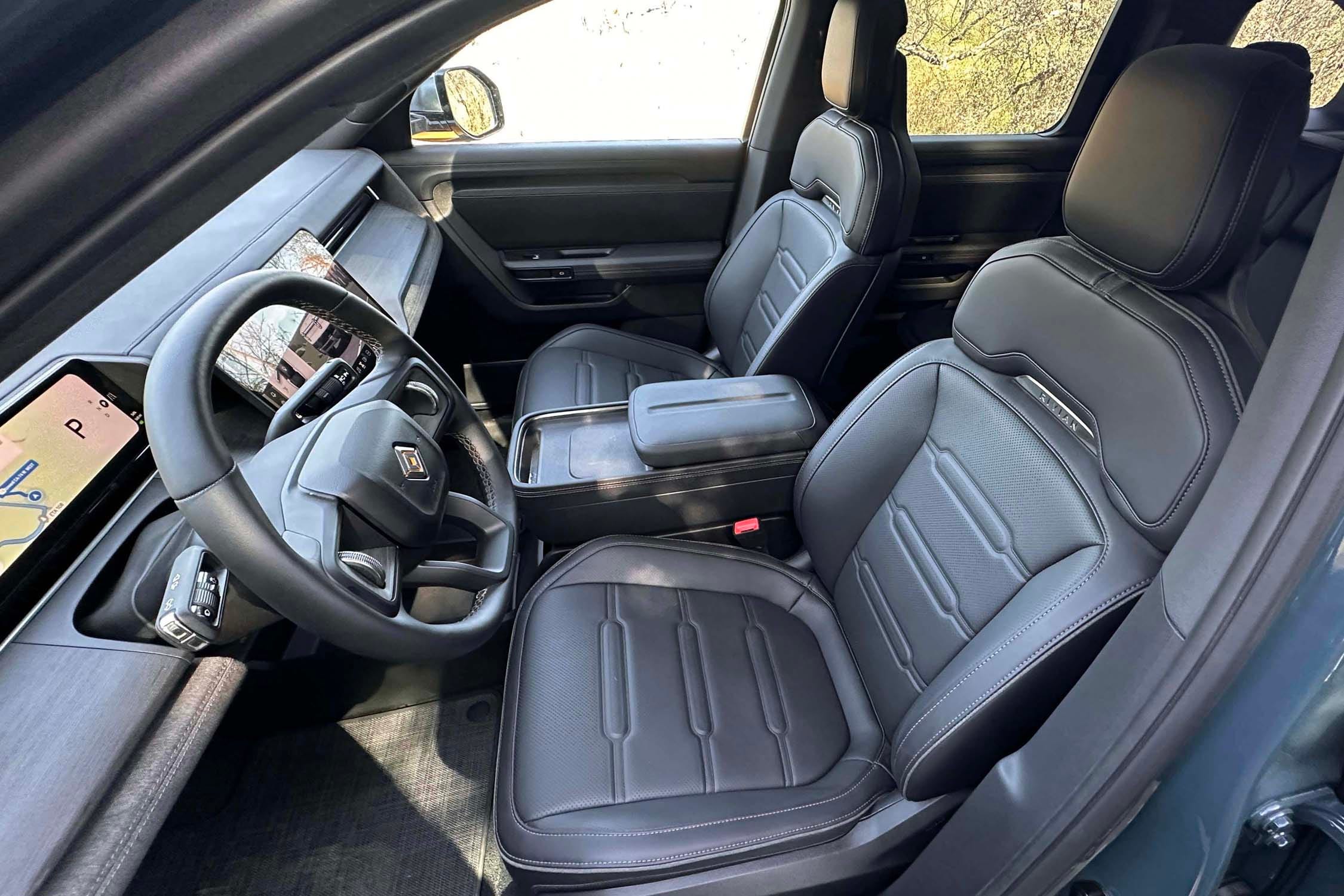


Starting around VIN 10,000, the Rivian R2 SUV ships with one seat fan instead of two. The ventilated seat function, which originally pushed cool air through both the seat bottom and the seatback, now only cools the bottom cushion. Rivian confirmed the change to Car and Driver, calling the seatback ventilation a source of “excessive cabin noise.”
That’s a polite way of saying they shipped a feature they couldn’t make work quietly enough, then pulled it rather than engineering a fix.
A Rivian spokesperson framed it as optimization: “R2 ventilated seats are designed to deliver active airflow through the seat cushion, where occupants retain the most heat.” Seat heating, the company noted, remains unchanged. Cold comfort, literally, for anyone who bought an early R2 expecting full-torso ventilation on a July commute.
The change first surfaced on the Riviantrackr.com forum, where owners and reservation holders compared notes and traced the cutoff point. The reaction has not been gentle. Some order holders say they’re canceling deliveries outright. Others are pausing their schedules, waiting to see if Rivian reverses course or offers a retrofit.
It’s a small thing, a single fan in a seatback, until you remember that the R2 is supposed to be Rivian’s volume play. This is the vehicle priced and positioned to bring the brand out of niche territory and into mainstream competition against the Tesla Model Y and Ford Mustang Mach-E. Every detail matters when you’re trying to convince a broader, less forgiving customer base to take a chance on a younger brand.
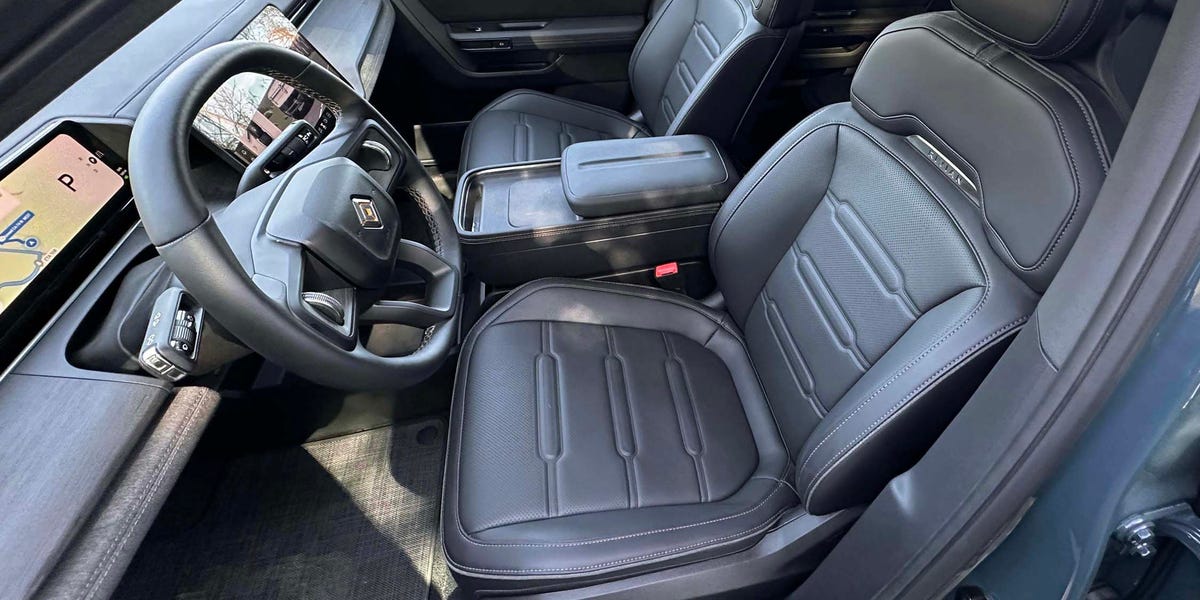
Removing features from a vehicle already in production is never a good look. Automakers do it, but usually under duress, whether supply chain disruptions or regulatory mandates. Rivian’s reason is more mundane and, in some ways, more damaging: the fans were too loud.
That raises a question the company probably doesn’t want customers asking: How did noisy seatback fans make it into the production spec in the first place?
Quality control on a new platform is always a moving target, and Rivian has been open about refining the R2 as production ramps. But there’s a difference between improving a vehicle through running changes and stripping out a feature that was part of the purchase decision for early buyers. Rivian hasn’t indicated whether vehicles built before VIN 10,000 will have their dual-fan systems modified, or whether those original owners get to keep their louder but cooler seats indefinitely.
The R2 has earned strong early reviews. Car and Driver’s own first drive coverage praised its accessibility and mainstream appeal. But mainstream buyers read forums. They compare VINs. They notice when a $45,000 SUV loses a feature that a $35,000 Hyundai still offers across both seat surfaces.
Rivian’s production cadence at its Normal, Illinois plant is still climbing. The R2 backlog remains deep. Whether a missing seatback fan actually moves the needle on cancellations at scale is an open question.
But the forum chatter is loud enough, and growing, that Rivian may find itself forced to respond with more than a spokesperson quote about where occupants “retain the most heat.” The company has not said whether a quieter seatback fan solution is in development.
Share this Story