
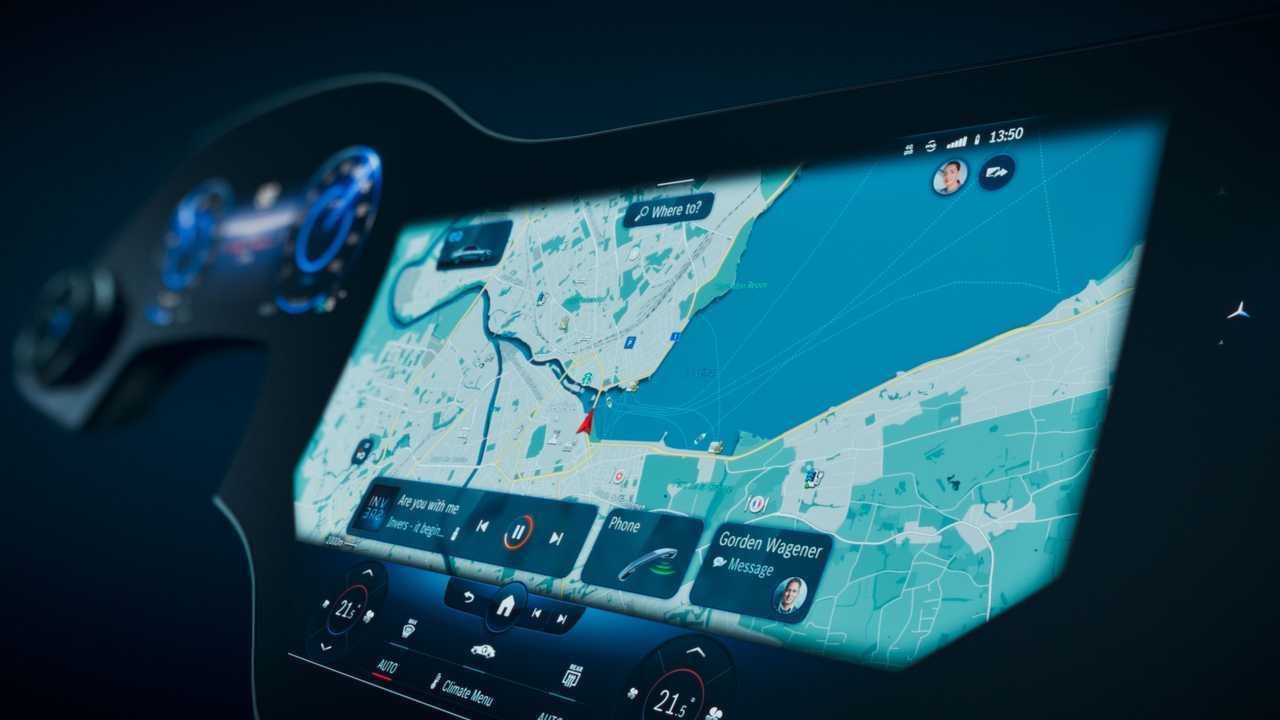


Mercedes-Benz sales and marketing boss Mathias Geisen told Autocar what most owners already knew: the company stripped too many physical controls from its interiors. The admission comes roughly five years after Mercedes rolled out its 56-inch Hyperscreen to rapturous applause. That slab of glass looked like the future but increasingly feels like a wrong turn.
Geisen says Mercedes recognized the problem two years ago through customer research clinics. Buyers were blunt. They loved the big screens but wanted hard buttons for functions they use constantly, things like climate and volume that nobody should have to swipe through nested menus to reach.
The fix is already trickling in. Mercedes has swapped some of its widely mocked haptic steering wheel pads for physical scroll wheels, with more tactile controls promised across the lineup. It is a quiet retreat from a design philosophy the brand once championed as the pinnacle of modern luxury.
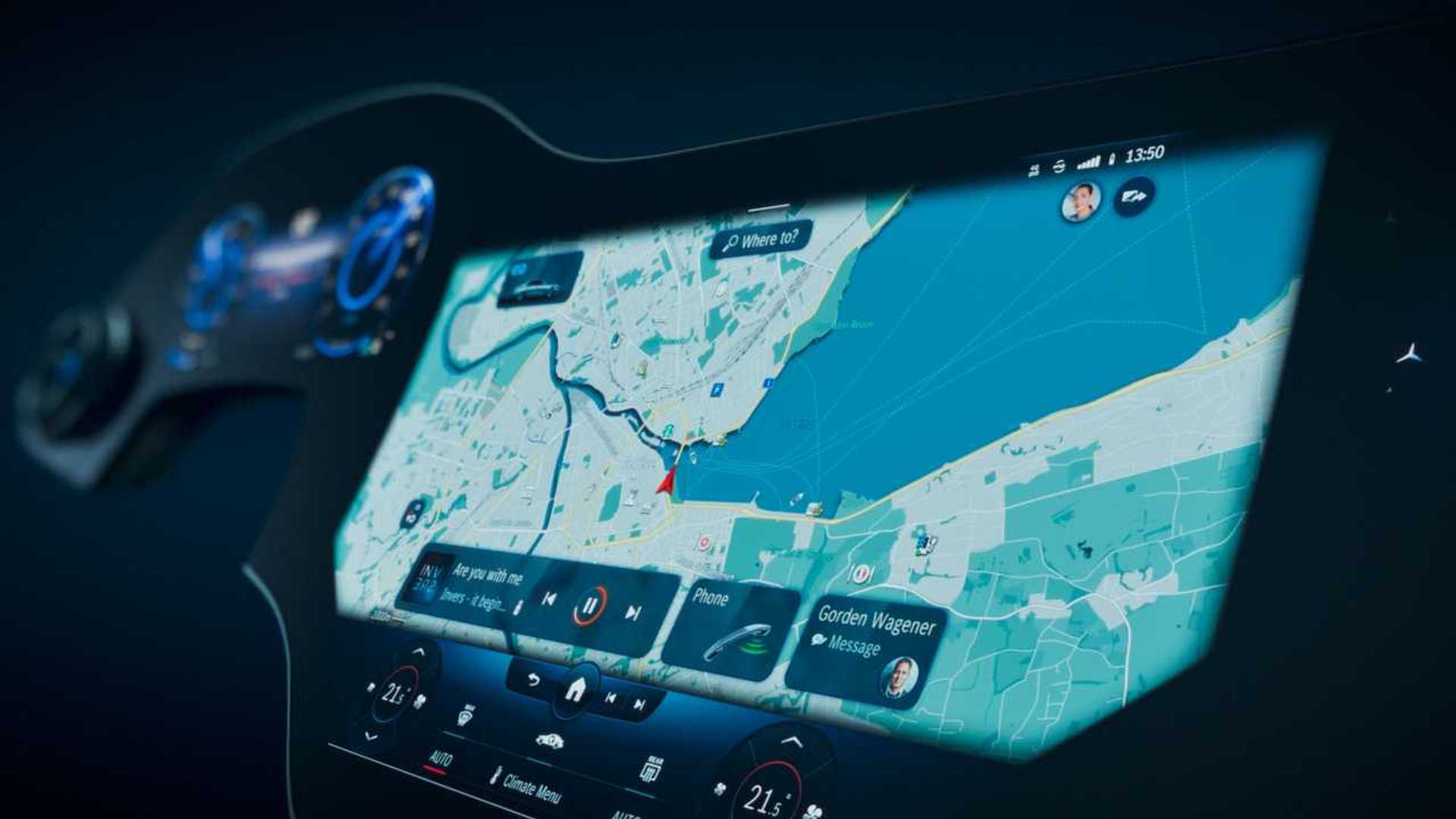
But nobody in Stuttgart is ready to ditch the glass entirely. Geisen made clear that large displays remain central to Mercedes interior strategy because they allow customization and personalization that buyers still value. The company is splitting the difference, keeping the digital real estate while reintroducing analog controls for the stuff drivers actually touch every day.
Mercedes is hardly alone in this correction. Volkswagen spent years burying basic HVAC adjustments behind capacitive sliders and touchscreens, then reversed course with physical buttons in the latest Golf. Hyundai and Subaru have made similar pivots.
The pattern is unmistakable. An entire segment of the industry chased a vision of minimalist, screen-forward cabins and discovered that drivers found them annoying at best and dangerous at worst.
Safety regulators have noticed too. Euro NCAP plans to factor physical controls for essential functions into future crash test ratings, a move that penalizes automakers who bury critical inputs behind glass. Studies consistently show touchscreen-heavy interfaces increase driver distraction and slow reaction times, a finding that should surprise no one who has ever tried to adjust a defroster at highway speed on a flat panel.
What makes the Mercedes case particularly telling is scale. This is a company that bet enormous engineering and marketing capital on the idea that screens were the defining luxury differentiator. The Hyperscreen was not an afterthought; it was the centerpiece of the EQS launch, a technological statement meant to separate Mercedes from everyone else in the segment.
Walking part of that back requires a level of corporate honesty that does not come naturally to any automaker. Geisen framed the issue as an industry-wide overcorrection, not a Mercedes-specific failure. That is a generous reading.
Some brands, Mazda chief among them, never fully abandoned physical controls and took heat for it at the time. They look prescient now.
The real question is how far the pendulum swings. Mercedes is promising a compromise, screens plus buttons, but the details remain vague. Which functions get dedicated hardware, and how many controls actually come back?
The company has said the right words. Whether the next generation of interiors delivers a meaningfully better experience depends on execution that buyers have not yet seen. Geisen’s comments land at a moment when even luxury buyers are pushing back against technology for its own sake, and the brand that helped start the screen arms race is now helping end it.

Share this Story