
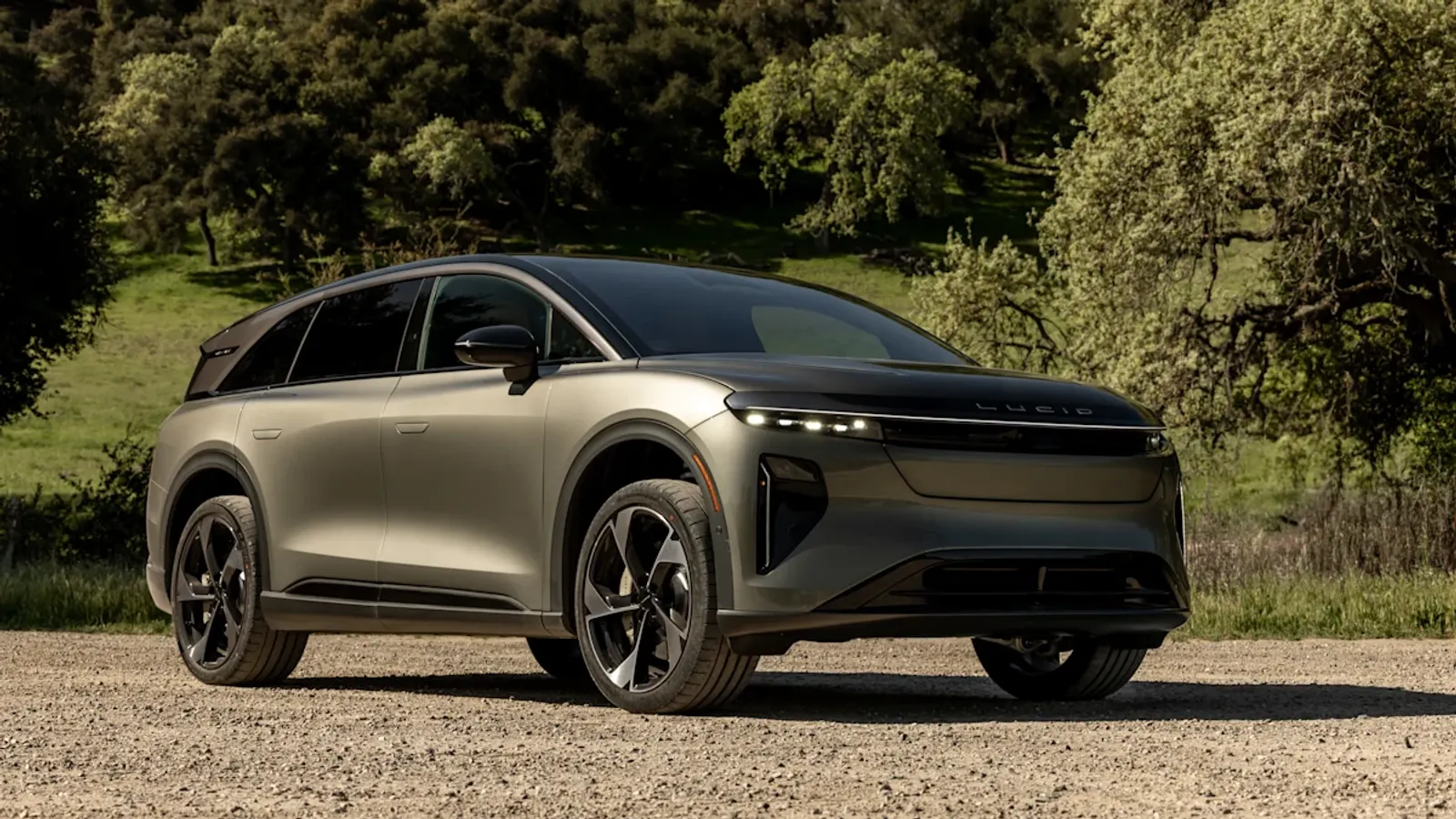


Lucid Motors is cutting 18% of its U.S. hourly and salaried workforce and eliminating the chief operating officer role entirely. These moves land barely four months after the luxury EV maker already axed 12% of its headcount in February.
The COO who just lost his title, Marc Winterhoff, isn’t a minor figure. He ran the company as interim CEO for 14 months before Silvio Napoli was finally installed in April. Now Winterhoff is gone, effective immediately, and the position itself has been erased from the org chart.
At the Casa Grande, Arizona factory, Lucid’s only U.S. assembly plant, 705 workers will be let go. A second production shift has already been eliminated. Another 136 employees at the Newark, California headquarters will be permanently laid off by Aug. 21.
Lucid expects to eat roughly $32 million in severance and transition costs, with all cuts completed by the end of the third quarter.
The math behind these decisions is brutal. Lucid delivered 3,093 vehicles in Q1 and posted a $3 billion operating loss for 2025. The company says it has $4.6 billion in liquidity to fund operations through early 2027, but that runway shrinks fast at this burn rate.
“These are difficult decisions taken to align production with demand, reduce inventory, and adapt to declining market conditions,” a Lucid spokesperson told WardsAuto. Translation: they’re building more vehicles than anyone wants to buy, and the warehouse is full.
The company’s survival now hinges on two lifelines with very different risk profiles. The first is Saudi Arabia’s Public Investment Fund, which through its subsidiary Ayar Third Investment Co. has poured more than $9 billion into Lucid and owns roughly 60% of its shares. In April, Ayar committed another $550 million in convertible stock.
That money keeps the lights on, but it also means Lucid’s fate is tethered to the patience of a sovereign wealth fund with its own political calculus.
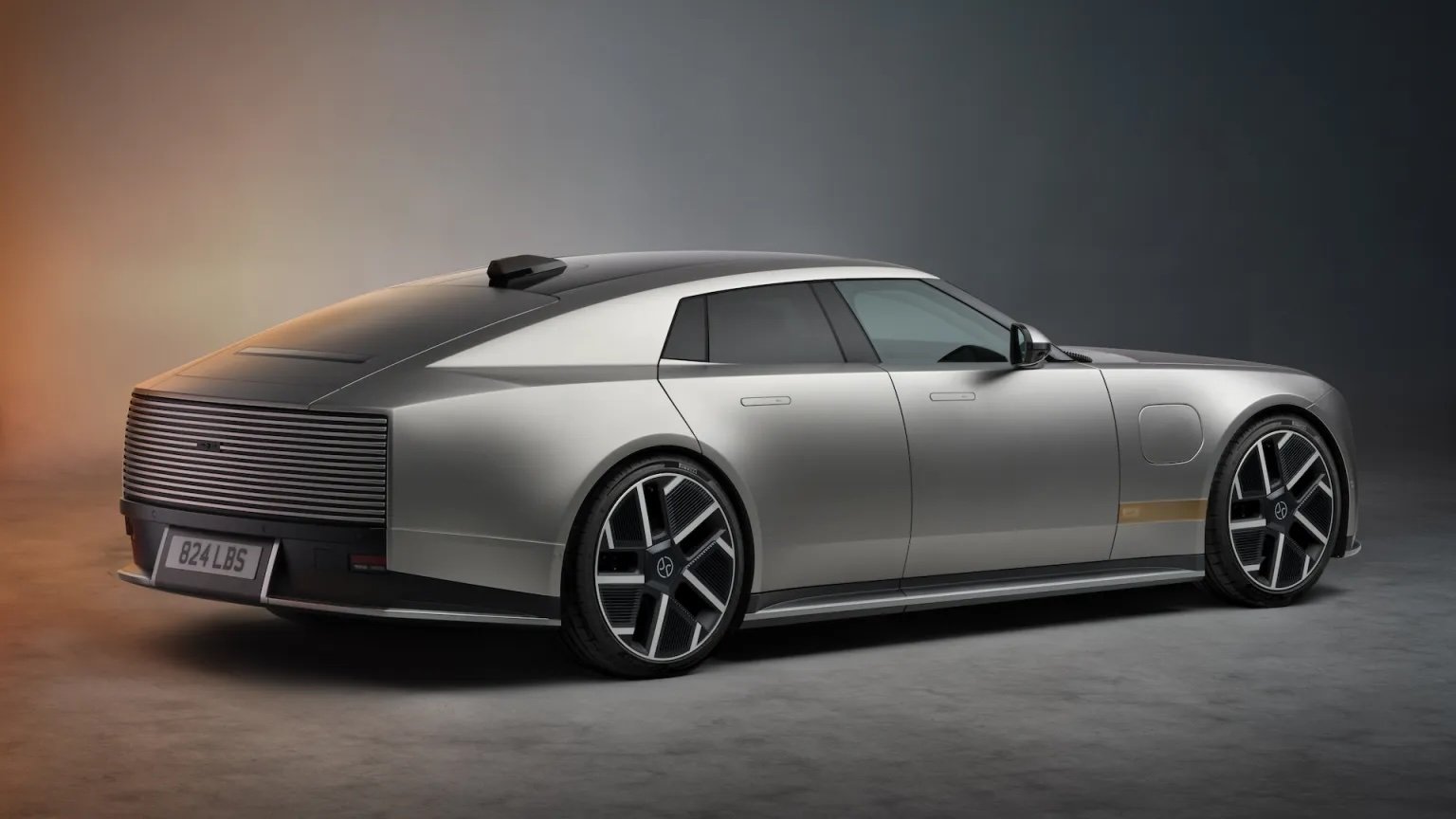
The second lifeline is Uber. What started as a $300 million investment for up to 20,000 Gravity SUVs serving as robotaxis has ballooned into a commitment to purchase at least 35,000 EVs, backed by $500 million total from the ride-hailing giant. Lucid even unveiled a two-seater robotaxi concept called Lunar in March. The pivot from luxury sedan maker to robotaxi supplier is about as dramatic a strategic u-turn as the industry has seen.
Three CEOs in 18 months. Two rounds of layoffs in four months. A robotaxi partnership that didn’t exist two years ago now positioned as the company’s primary growth engine. Lucid is no longer the company Peter Rawlinson built around the Air sedan and a vision of out-engineering Tesla.
What remains is a company with genuinely impressive technology, a gorgeous SUV in the Gravity, and a cash position that depends entirely on the continued generosity of Riyadh. The production cuts suggest leadership knows the consumer demand story isn’t working at current volumes and prices. The Uber deal suggests they’re betting the company’s future on fleet sales instead.
That bet may ultimately prove smart. But betting smart and surviving long enough to collect are two very different things.

Share this Story