


The FIA pulled a megajoule out of qualifying. Mercedes didn’t flinch.
Days before Suzuka, the governing body gathered all 11 teams and power unit manufacturers to agree on reducing the maximum permitted energy recharging from 9 megajoules to 8. The move was designed to rein in deployment advantages and put more emphasis on driver skill. The official language cited maintaining “the intended balance between energy deployment and driver performance.”
The intended balance looks a lot like Mercedes running away with the 2026 season.
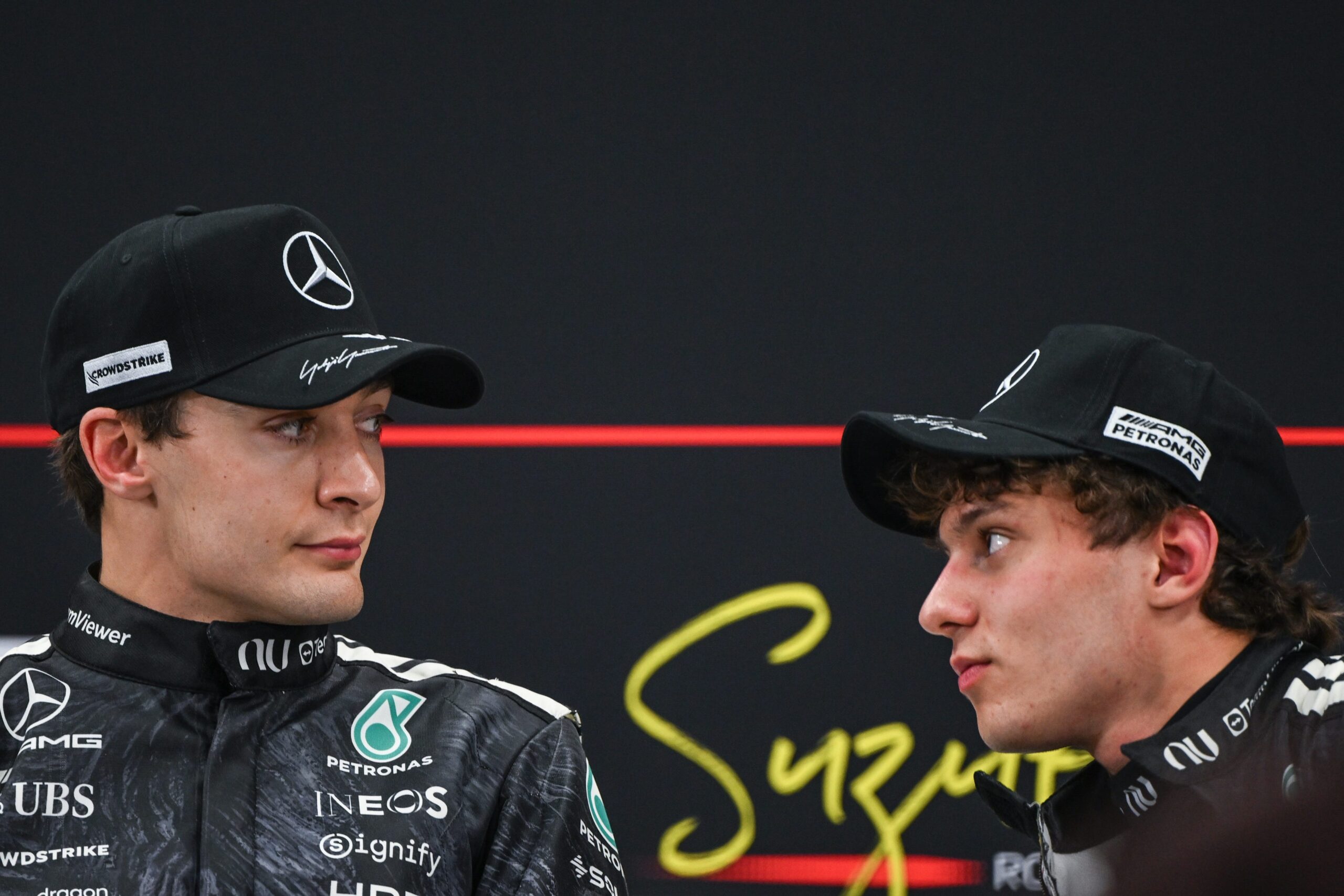
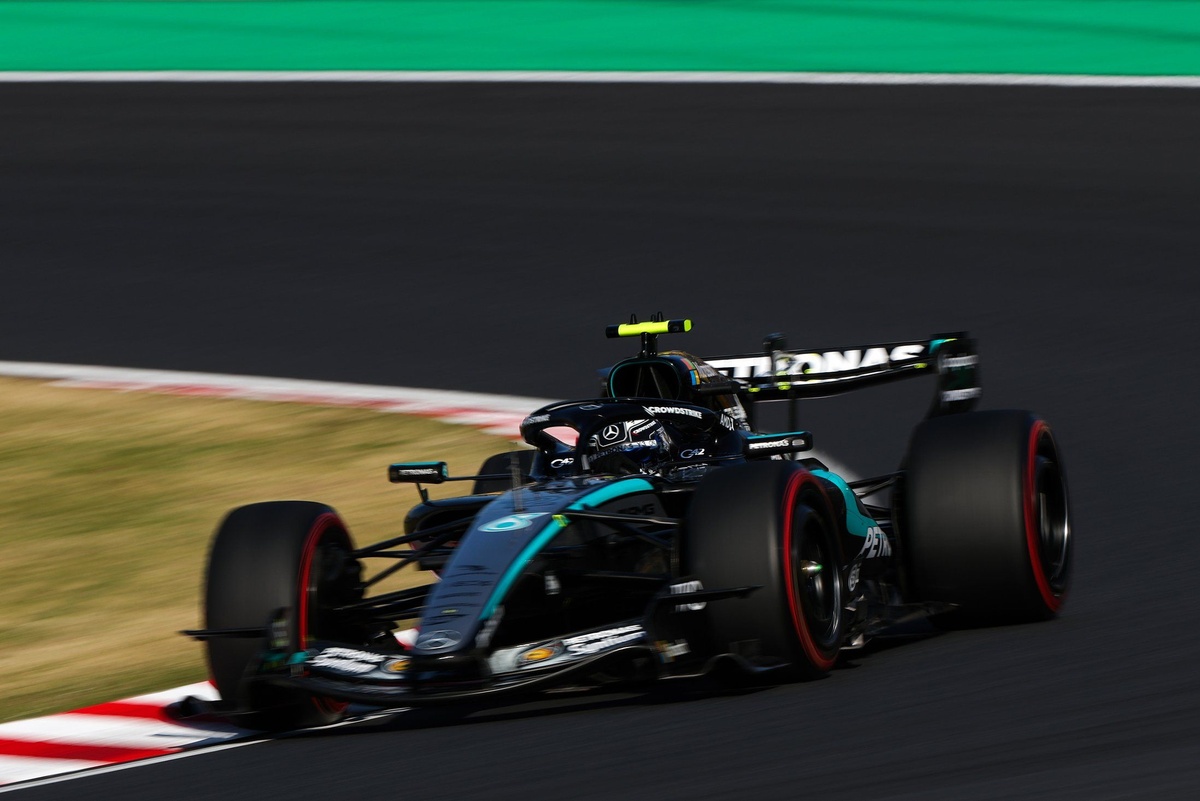
Kimi Antonelli, 19 years old and already collecting pole positions like souvenirs, put the W17 on top for the second consecutive grand prix with a time that left teammate George Russell just .068 seconds behind. That’s three front-row lockouts in three races for Brackley. The pattern isn’t emerging — it’s cemented.
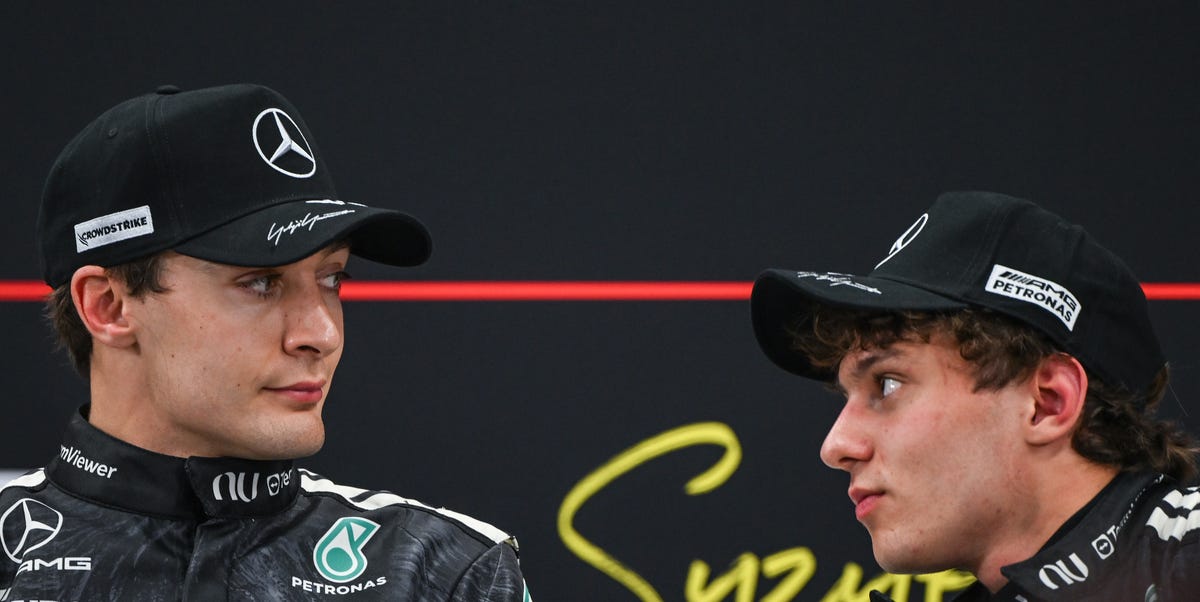
Antonelli had already become the youngest pole-sitter in Formula 1 history one week ago. Doing it again at Suzuka, a circuit that punishes the slightest hesitation, confirms this is no fluke. The kid is delivering on the absurd promise Mercedes saw in him, and the car underneath him is clearly the class of the field by a margin the regulations were supposed to prevent.
Ferrari’s Charles Leclerc had Antonelli beaten through sector one on his final flying lap, then lost the car on the ragged edge in sector two. He starts fourth. Lewis Hamilton, now in red, slots into sixth. The Scuderia is close enough to see Mercedes but not close enough to touch them.
McLaren had its own drama. Lando Norris missed more than half of FP3 after the team discovered a problem with his electric motor and had to scramble to replace it — a recurring theme after a double DNS in Shanghai. Norris still clawed his way to fifth in qualifying, a testament to raw talent overcoming fragile hardware. Oscar Piastri managed third, McLaren’s best grid positions of the young season.
The grid behind the top six tells its own story. Pierre Gasly has quietly become Alpine’s anchor in seventh. Isack Hadjar broke through to Q3 for the first time in 2026 for Red Bull, and Gabriel Bortoleto continues punching above Audi’s weight in ninth.
Max Verstappen starts 11th. The four-time world champion couldn’t escape Q2 after a weekend of fighting both oversteer and understeer at the same time — the kind of handling contradiction that makes a driver’s eyes go dark. He reported “massive” front grip deficiency in high-speed corners and “horrendous downshifts.” Red Bull’s famed overnight setup wizardry produced nothing at Suzuka.
At the bottom of the order, the new Cadillac team brought its first upgrade package but still conceded over three seconds. Aston Martin, hobbled by persistent Honda engine issues, ran a conservative program that left Fernando Alonso and Lance Stroll more than four seconds off the pace. That’s not racing. That’s survival.
The 2026 regulations were supposed to reset the competitive order. New aerodynamic philosophy, active aero, overhauled power units — a clean sheet designed to shuffle the deck. Three races in, the deck has been shuffled straight back into Mercedes’ hands.
The FIA tried trimming a megajoule off qualifying power to close the gap. Nine of the ten Q3 drivers had already been there before. The names barely moved.
Formula 1 has seen this movie. The opening credits read “2014.” Mercedes built a better mousetrap then, too, and the rest of the grid spent years trying to catch up. The difference now is Antonelli sitting where Hamilton once sat, young enough that this dominance could stretch into the next decade.
Sunday’s race may tell a different story. Degradation, strategy, and race pace don’t always follow Saturday’s script. But qualifying keeps writing the same headline, and one fewer megajoule didn’t change a word of it.
Share this Story