
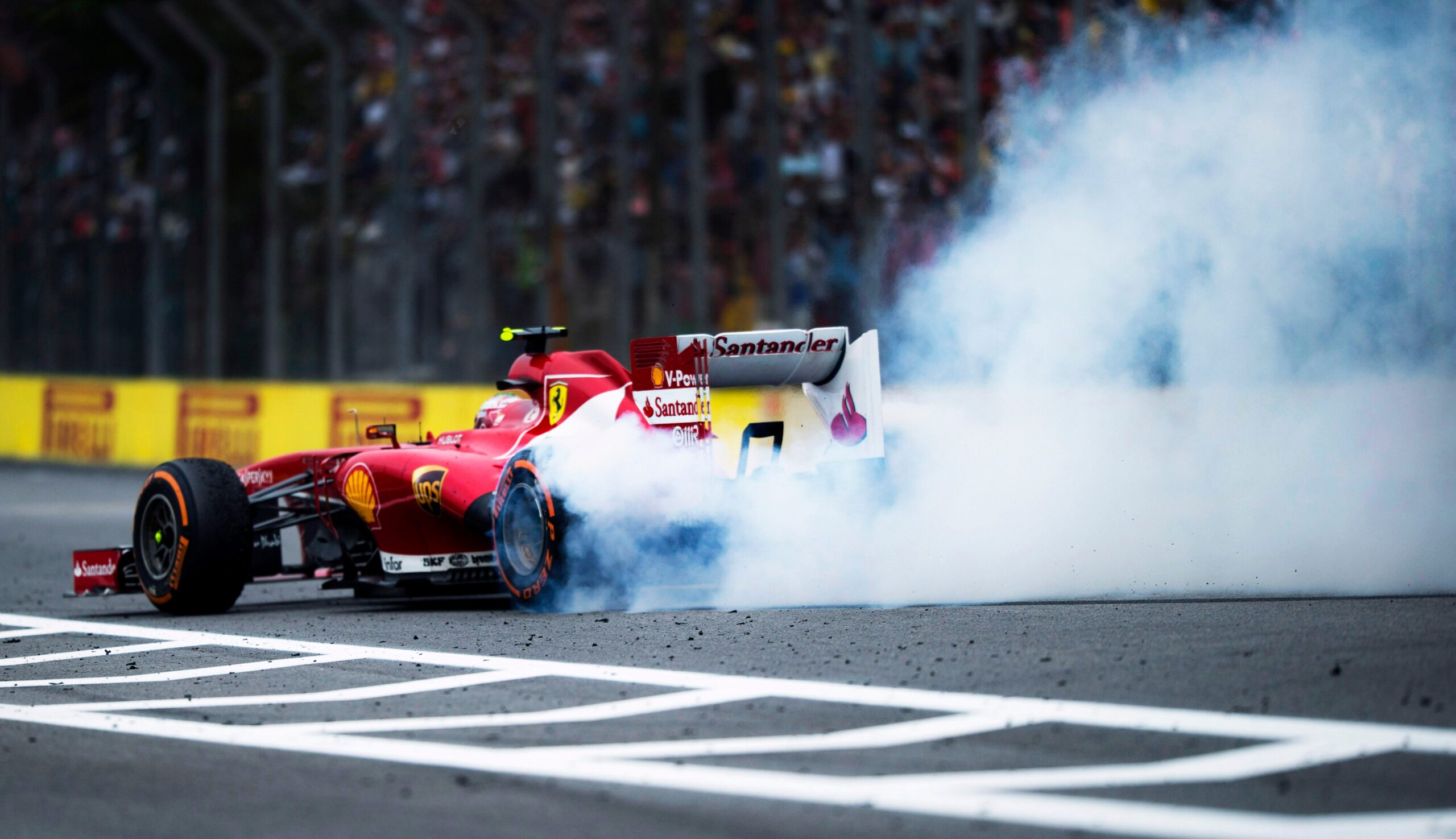


FIA president Mohammed Ben Sulayem stood in his office overlooking the Miami Grand Prix circuit and said it plainly: “V8 is coming.”
Not a trial balloon. Not a wish list item. The head of Formula 1’s governing body told Reuters the sport will dump its current 1.6-liter V6 hybrid engines in favor of V8s with “very, very minor electrification” by 2031 at the latest — and he’s pushing hard to make it happen a year earlier.
In 2031, the FIA will have the power to do it, without any votes from the PUMs,” Ben Sulayem said, referring to the sport’s power unit manufacturers. “That’s the regulations. But we want to bring it one year earlier, which everyone now is asking for.”
The timing is remarkable. Formula 1 just entered a brand-new engine era this season, with power units splitting output roughly 50-50 between combustion and electric power, running on fully sustainable fuel. The ink on those regulations is barely dry, and the sport’s own president is already advertising their expiration date.
It’s not hard to see why. The 2026 rules have landed with a thud. Drivers have complained bitterly about “lift and coast” techniques needed to recharge batteries through high-speed corners — a practice they call both boring and dangerous. Fans have been forced to learn arcane new concepts like “superclipping” and megajoule recharging limits.
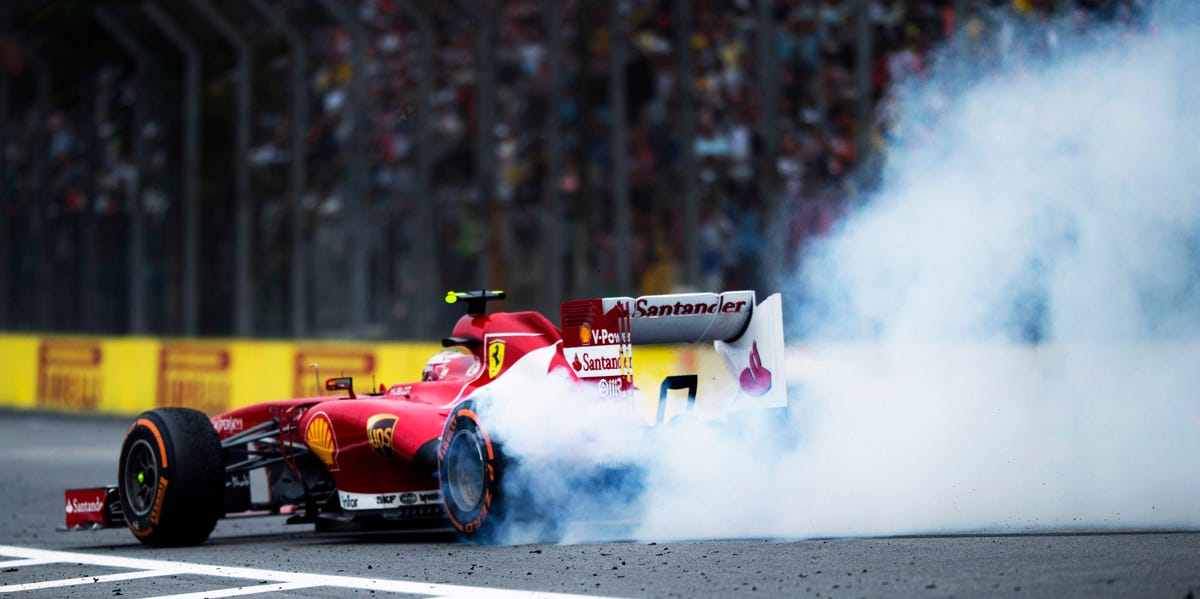
The FIA scrambled to tweak the rules before Miami, reducing battery harvesting requirements in qualifying and dialing back the electrical power boost in races. Drivers called them “small steps.” Ben Sulayem is now offering something bigger — a full retreat from the hybrid complexity that has defined F1 power units since 2014.
Under the current regulatory structure, a switch to V8s for 2030 requires a supermajority vote from four of the six engine manufacturers: Mercedes, Ferrari, Red Bull/Ford, Honda, Audi, and the incoming General Motors operation backing the Cadillac team. If that threshold isn’t met, the FIA can unilaterally impose the change for 2031.
Ben Sulayem sounds confident the votes are there. “They want it to happen,” he said of the manufacturers. And if they don’t? “One more year and it will be done.”
He also killed any notion of going all the way back to V10s, the configuration that screamed through F1 until 2005. If I ask any of the manufacturers who are in F1 now if they produce any cars with a V10 — no,” he said. The V8, by contrast, lives in production cars from Ferrari, Mercedes, Audi, and Cadillac.
“You get the sound, less complexity, lightweight,” Ben Sulayem said. “The mission will be less complication, not like now.”
The MGU-H — the complex motor-generator unit harvesting energy from exhaust gases — was already dropped for 2026 after years of complaints that it had zero road-car relevance. Now Ben Sulayem is arguing the same about the entire hybrid-heavy architecture. The electrical component in the next engine formula will be minimal, he promised, with the combustion engine doing the heavy lifting.
Mercedes team principal Toto Wolff has already signaled his team is open to the idea. That’s significant — Mercedes has been the sport’s dominant hybrid-era manufacturer, winning eight consecutive constructors’ championships from 2014 to 2021 on the back of its V6 turbo-hybrid superiority.
Formula 1 last used V8 engines from 2006 through 2013. Before that, the legendary Cosworth DFV V8 powered the grid from the late 1960s through the early 1980s. The configuration is woven into the sport’s DNA.
So here we are: a billion-dollar engine formula barely out of the box, already being treated as a bridge to something the fans actually wanted all along. The sport spent a decade convincing everyone that efficiency and electrification were the future. Now its own president is counting the days until they can claw it back.
Share this Story