
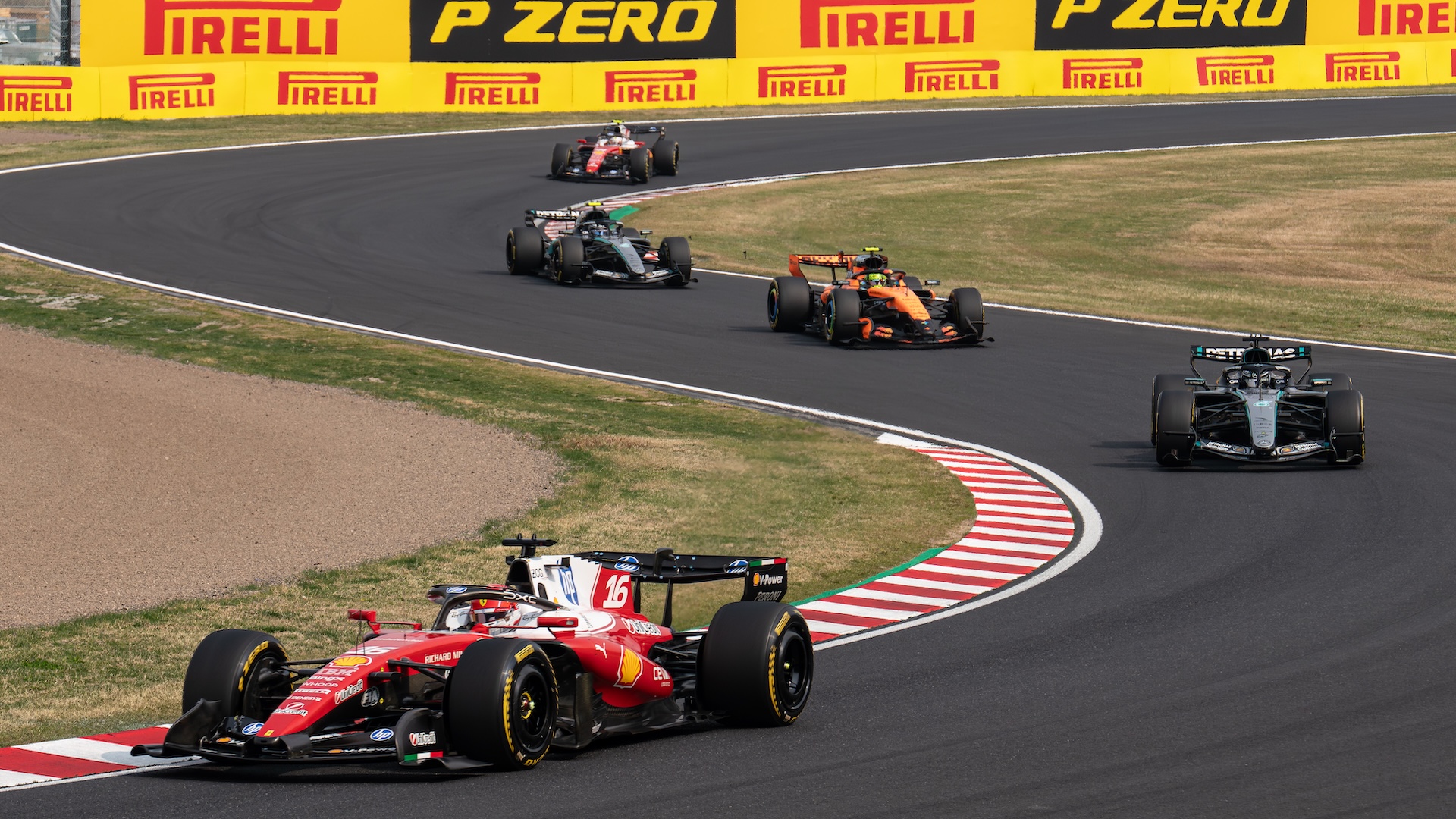


Three races. That’s all it took for the FIA to start rewriting its own 2026 rulebook. After months of pre-season debate about whether the new power unit regulations would produce awkward racing, the governing body convened an emergency online session with team principals, power unit manufacturers, and Formula One Management to hammer out a package of tweaks effective immediately for next week’s Miami Grand Prix.
The changes were unanimous. Every team signed off. That alone tells you the problems were real.
At the core of the fix is “super clipping” — the clunky term for when a car’s combustion engine is simultaneously powering the wheels and charging the battery at full throttle. It’s the F1 equivalent of running a generator while you drive. The side effect is brutal: cars lose top-end speed on straights and drivers lift off the throttle mid-lap to manage energy, creating dangerous speed differentials between cars on the same piece of track.
The peak energy recovery rate during super clipping jumps from 250 kilowatts to 350 kilowatts. That means drivers can stuff more juice into their batteries faster, spending less time in that compromised state. The FIA expects super clipping duration to drop to just two to four seconds per lap, down from the much longer stretches that plagued the opening rounds.
For qualifying, the maximum harvesting limit drops from eight megajoules to seven. Less stored electrical energy means less reliance on battery-powered bursts and more reliance on raw combustion performance. Lap times will be slower, but the FIA is betting that’s a worthwhile trade for drivers actually pushing flat-out through corners rather than managing energy like accountants.
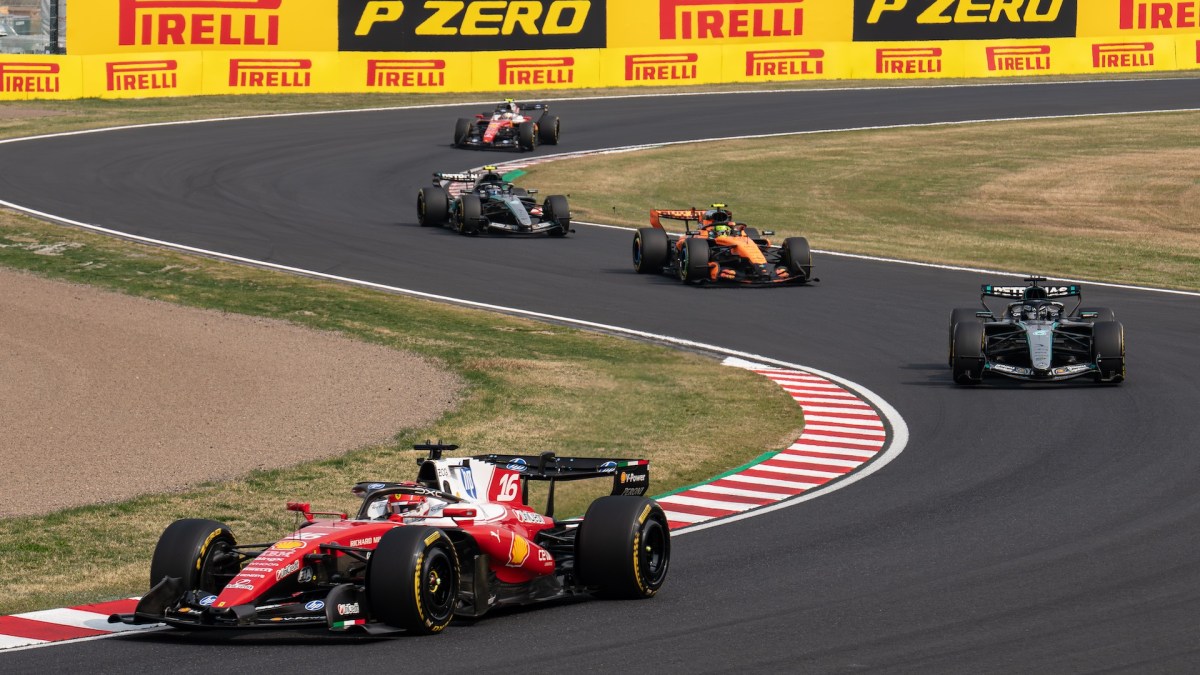
The safety dimension here is impossible to ignore. The Suzuka crash between Oliver Bearman and Franco Colapinto — where differing energy deployment strategies put two cars at wildly different speeds in the same braking zone — served as a stark warning. Under the revised rules, MGU-K deployment stays at 350 kilowatts in key acceleration zones but drops to 250 kilowatts elsewhere on the track. A new boost mode cap of 150 kilowatts in race conditions adds another layer of predictability.
Wet weather gets attention too. Tire blanket temperatures for intermediates go up, giving drivers better grip on pit-out laps. Energy deployment gets reduced in the rain, and warning light sequences will be activated.
Perhaps the most interesting addition is a “low power start detection” system being trialed in Miami. If a driver botches the launch, the MGU-K will automatically deploy to get the car moving, reducing the odds of a standing start pileup. It’s a safety net that would have been unthinkable a decade ago, but given the energy management complexity these cars demand off the line, it’s pragmatic.
Mercedes boss Toto Wolff warned publicly that the FIA was using a “bat” rather than a “scalpel” on the regulations. The actual changes suggest something closer to a scalpel, though perhaps one wielded in haste. The data set behind these revisions comes from just three events — Bahrain, Saudi Arabia, and Japan — with two Middle Eastern rounds originally on the calendar having been postponed.
The FIA built the 2026 regulations over years of collaboration with every stakeholder in the paddock. Those same stakeholders just agreed to alter the package before April ended. The rules weren’t broken, exactly, but they clearly weren’t finished either. Miami will be the first real test of whether these corrections stick or whether more surgery is coming before the season hits Europe.



Share this Story