
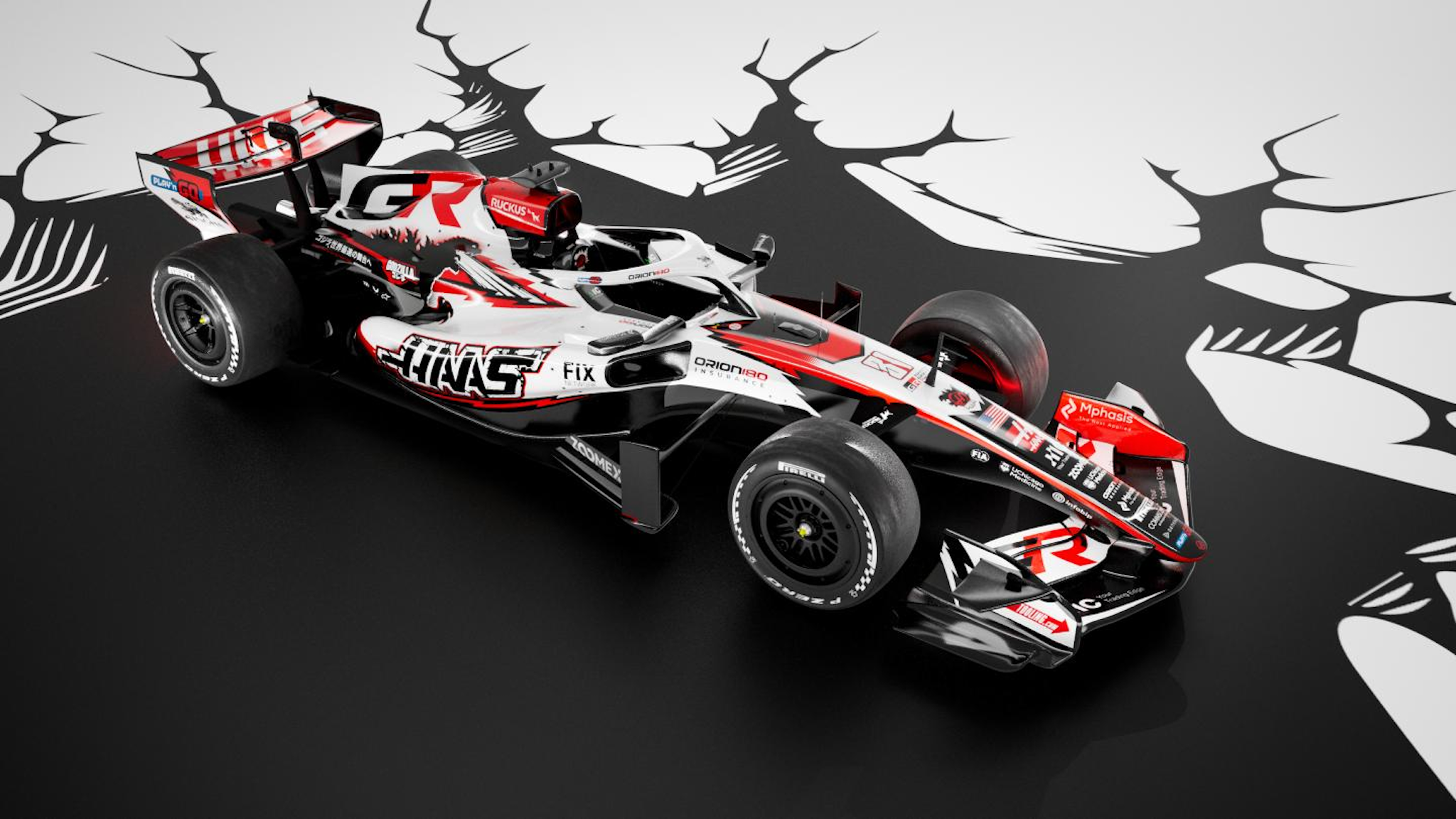


The American-owned, Toyota-backed Haas F1 team rolled into Suzuka this week with a 70-foot lizard on its engine cover. A special Godzilla livery, revealed at a splashy activation in Tokyo’s Midtown Hibiya district, will adorn the VF-26 for Sunday’s Japanese Grand Prix. It’s the first of two races tied to a promotional deal with Japanese entertainment giant Toho.
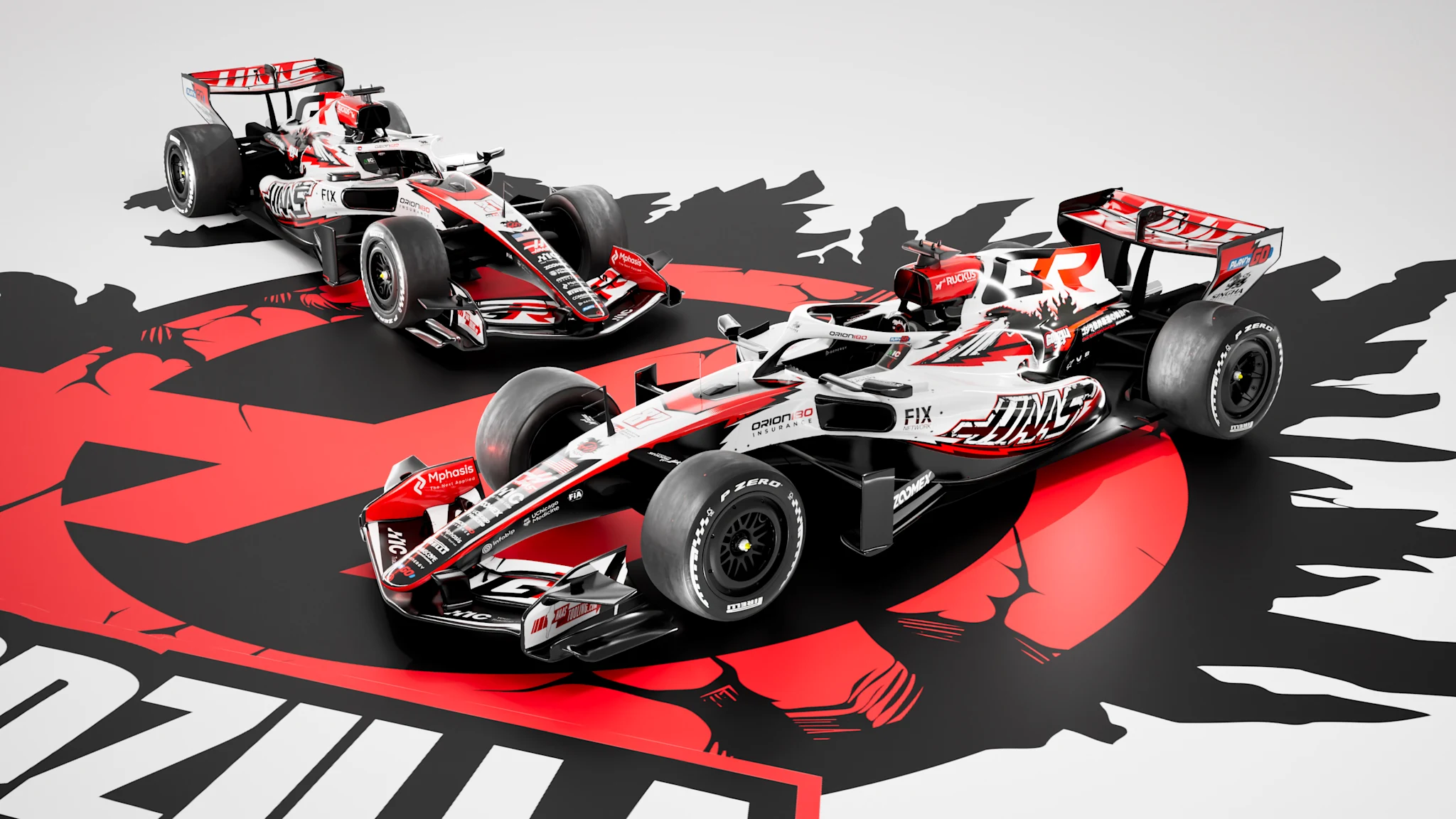
The collaboration is built around Toho’s upcoming film Godzilla Minus Zero, the sequel to the 2023 Oscar winner Godzilla Minus One. The livery keeps Haas’s core white, black, and red palette but stretches the King of the Monsters across the engine cover, his atomic breath painted toward the sidepod like some radioactive exhaust plume. It’s loud, it’s theatrical, and it fits the moment perfectly for a team that has spent a decade trying to build cultural relevance in a sport that runs on it.
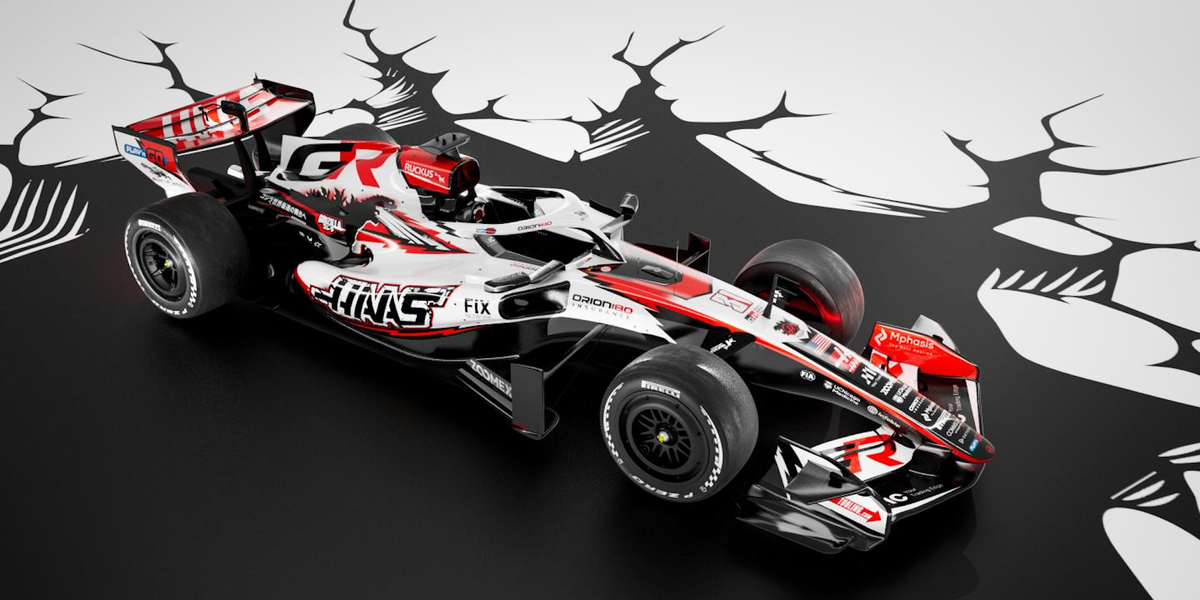
This is not just a sticker deal. A second Godzilla livery is scheduled for the United States Grand Prix in Austin this October, timed to land just ahead of the film’s American premiere. That two-race structure turns the car into a rolling billboard across two of the partnership’s most valuable markets — Japan and the United States — which also happen to be the two countries most central to Haas’s identity in 2026.
The Toho deal layers on top of what has already been a transformative off-season for Gene Haas’s outfit. The team locked in Toyota’s Gazoo Racing as a title sponsor before the season began, a partnership that immediately gave Haas a level of engineering credibility and commercial firepower it had never possessed. Now Toho adds another blue-chip Japanese brand to the roster. The pattern is unmistakable: Haas is aggressively building a bridge between American ownership and Japanese corporate muscle.
It’s worth asking whether a kaiju movie promotion belongs in the same breath as a factory-backed technical partnership. But sponsorship in Formula 1 has never been purely about engineering synergy. It’s about eyeballs. Godzilla, straddling two concurrent film franchises — Toho’s Japanese series and Warner Bros.’ American Monsterverse — commands plenty of them. Haas chose the Japanese lineage, which carries more prestige among the fanbase that will fill Suzuka’s grandstands this weekend.
The timing is fortunate in another way. Haas sits fourth in the constructors’ championship after scoring points in both opening rounds, making this comfortably one of the strongest starts in the team’s 11-year history. A special livery hits different when the car is actually competitive. Nobody remembers the paint job on backmarkers.
Whether Haas can hold fourth is another question. Red Bull Racing and other heavyweights are expected to claw back ground as development wars intensify through the European summer. But right now, the team has momentum, money, and a giant fictional reptile breathing nuclear fire across its bodywork. It’s the most attention Haas has commanded since it entered the sport in 2016.
Godzilla has a complicated history with Japan — a metaphor born from atomic trauma, repurposed over seven decades into everything from horror icon to children’s hero to prestige cinema. Painting him on a race car at Suzuka, a circuit 200 miles from Hiroshima, carries weight that no press release will acknowledge. Toho clearly sees the promotion as celebration, not provocation, and Japanese fans have embraced it on social media.
For Haas, this is brand-building in its purest form: attach yourself to something people care about, show up with a fast car, and let the cameras do the rest. The monster on the engine cover is fictional. The results, so far, are real.

Share this Story