
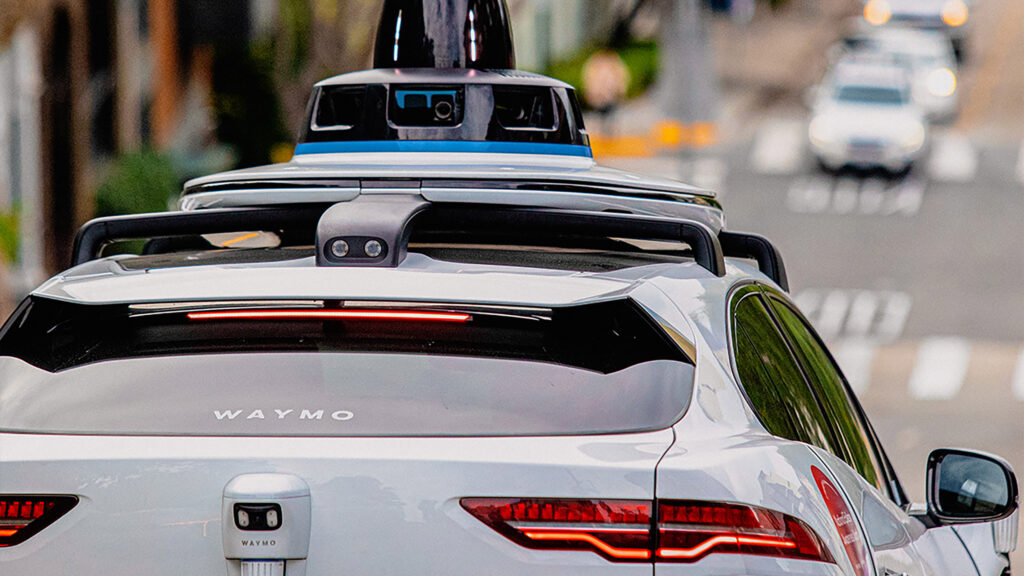


For more than two years, autonomous vehicles have blown through red lights, rolled past crosswalks, and ignored traffic laws in California with zero consequences. Starting July 1, that era gets a partial correction — but not the full fix critics wanted.
The California DMV on Tuesday formally approved regulations allowing law enforcement to issue “notices of noncompliance” to autonomous vehicle companies when their cars break traffic laws. Not tickets. Not fines. Notices.
The distinction matters. A traffic ticket carries a fine. A notice of noncompliance is essentially a formal complaint that lands on the company’s desk, requiring it to report details of the incident to the DMV within 72 hours — or 24 hours for serious violations.
Repeated or egregious offenses could lead to permit suspension or revocation, but the immediate financial sting that keeps human drivers honest is absent.
This is the compromise that emerged after NBC Bay Area’s Investigative Unit first exposed the loophole in California’s traffic code. The state’s vehicle laws have always tied citations to “drivers.” No human behind the wheel, no ticket.
Police departments across the state interpreted it literally, and autonomous vehicle operators skated.
Governor Newsom signed Assembly Bill 1777 to address the gap, but rather than simply extending existing citation authority to cover driverless vehicles, the law directed the DMV to build an entirely new enforcement framework. The Teamsters Union fought the bill, arguing it actually moved California “backwards” by substituting a bureaucratic paper trail for real enforcement teeth.
The DMV calls its new rules “the most comprehensive AV regulations in the nation.” That framing does heavy lifting. Comprehensive doesn’t mean tough — it means thorough on paper.
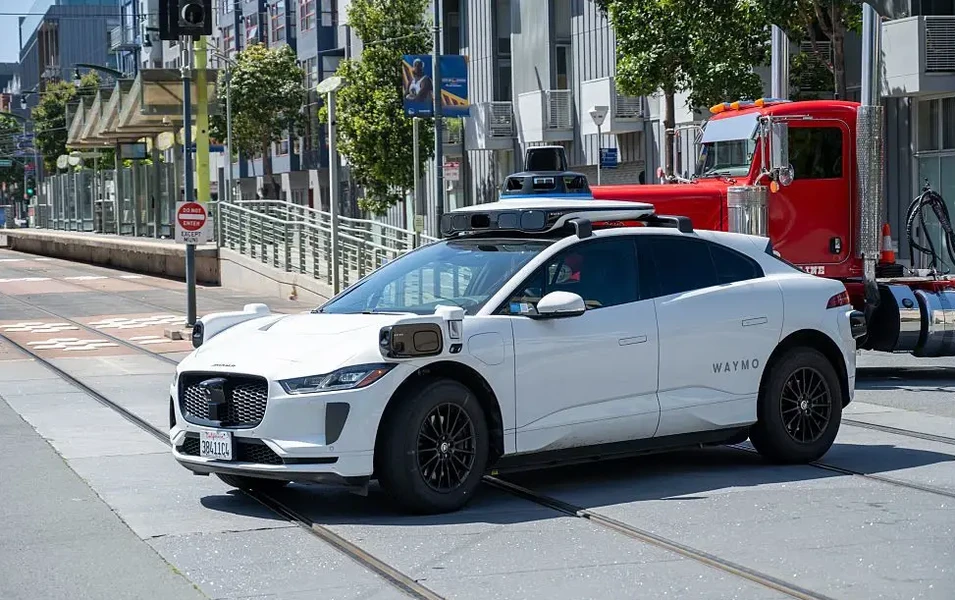
Waymo, which operates roughly 1,000 robotaxis across the San Francisco Bay Area, pushed back during the comment period on the proposed regulations. The company raised concerns about publicly disclosing details related to any noncompliance notices, warning that such transparency “could cause significant harm, including misuse by foreign entities.” The DMV responded by promising to balance transparency with protection of “sensitive business information.”
So the company running the largest autonomous fleet in the state gets assurances that its violation records won’t be fully public. Meanwhile, every human driver’s traffic citation is a matter of public record.
Buried in the same regulatory package is another significant development: a new pathway for companies to begin testing autonomous trucks weighing more than 10,000 pounds on California roads. Heavy-duty driverless rigs have been banned in the state until now. Opening that door while simultaneously introducing a compliance framework that lacks direct financial penalties is a revealing set of priorities.
DMV Director Steve Gordon framed it as supporting “the growth of the AV industry” while “enhancing public safety and transparency.” Both goals made the same sentence, which tells you everything about how Sacramento views the balancing act.
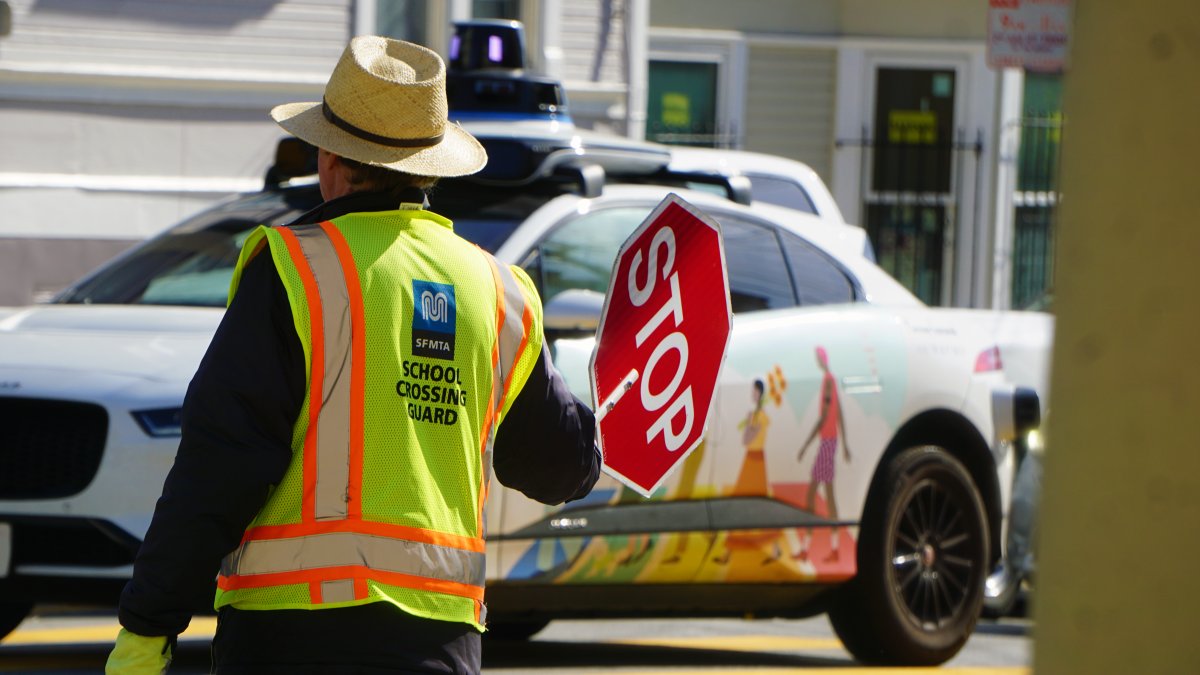
California has roughly 1,000 Waymo vehicles operating daily on public roads shared with cyclists, pedestrians, and school crossing guards — some of whom have told investigators they’ve had to physically dodge driverless cars. The state’s answer, after two years of deliberation, is a reporting requirement and a filing deadline.
The rules take effect July 1. Whether they change actual behavior on the streets depends entirely on how aggressively the DMV wields its permit authority when the noncompliance notices start stacking up. History suggests patience with the industry will be generous.



Share this Story