
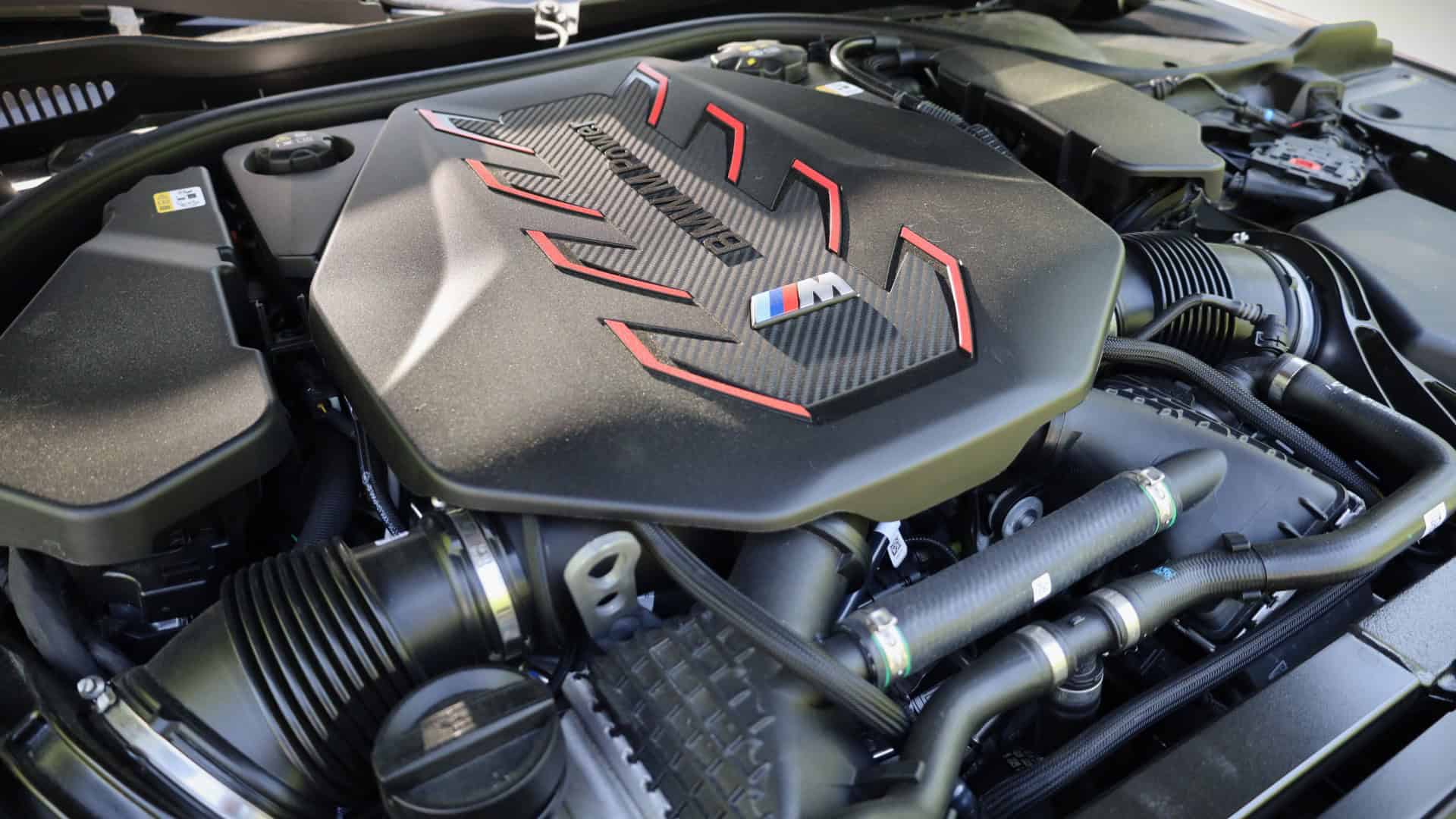


BMW sold 1,888 iX1s in Australia last year. Those small electric crossovers, plus 1,194 iX2s, are paying for the twin-turbo V8s parked at the other end of the showroom.
That’s not an accusation. It’s the strategy, and BMW Group Australia CEO Vikram Pawah is happy to say so out loud.
“At the moment, at BMW, we’re not so much worried about it,” Pawah told carsales, referring to the New Vehicle Efficiency Standard. The brand hasn’t pulled a single model from sale under the rules. Pawah says it isn’t preparing to drop its big engines or pass emissions penalties on to buyers through higher prices.
The numbers explain the calm. BMW sold 5,187 EVs in Australia in 2025, or 19.3 percent of its local volume. In some parts of the range, Pawah says, electric versions already take 35 to 40 percent of orders.
NVES bans nothing. It sets a fleet-average CO2 target for each automaker, adjusted for vehicle mass, and charges a penalty for every gram per kilometer a brand lands above it.
Every EV enters that average at zero. Every zero buys room for something that sits well above the line.
So the cheapest electric BMWs are carrying the emissions load of the most expensive combustion ones. Plenty of rivals would kill for that problem.
The comfort has a deadline, though. The target for passenger cars and most SUVs sits at 117 g/km this year, and on January 1, 2027, it drops to 92 g/km.
That’s a 21 percent cut in twelve months. A cushion that feels thick today gets thin fast.
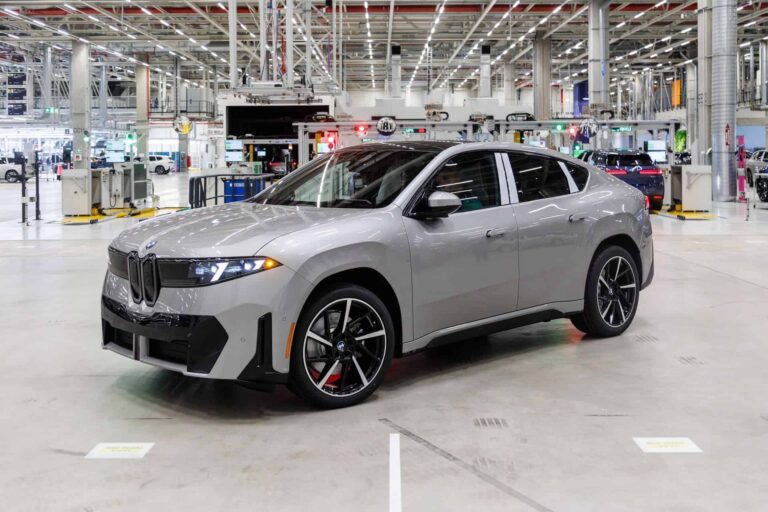
The new X5 will be the first real test of Pawah’s confidence. The G65 generation reaches Australian showrooms this quarter with two six-cylinder mild hybrids: the 40d xDrive from AU$143,900 and the 40 xDrive from AU$145,900, both before on-road costs.
The X5 50e xDrive plug-in hybrid and the fully electric iX5 60 xDrive follow in early 2027. That’s exactly when the tougher target kicks in, and it’s no coincidence.
There’s no V8 on the Australian launch list. Globally, BMW has confirmed a V8 M Performance X5 for 2027, expected to use the S68 4.4-liter twin-turbo and likely to wear the X5 M60 badge.
BMW Australia hasn’t committed to it.
For a CEO insisting the big engines are safe, that silence says plenty. Saying the V8 survives is one thing. Ordering one into a market where the emissions bar just fell by a fifth is another.
The engines themselves aren’t the weak link. BMW M CEO Frank van Meel says both the inline-six and the V8 have been brought up to Euro 7, which should keep them in production into the 2030s.
The first new car in Australia to cash in on that is the M350 xDrive, replacement for the M340i. It keeps the B58 3.0-liter inline-six, adds a 48-volt mild-hybrid system, and makes 437 hp (326 kW).
It lands in early 2027 at AU$128,900 before on-road costs. With EVs absorbing so much of the emissions burden, carsales notes, six-cylinder cars like the M350 and M3 aren’t under threat.
The sixes look settled. The V8 X5 is still waiting on a decision from Melbourne, and on how many more iX1s BMW can sell before January.
Share this Story