
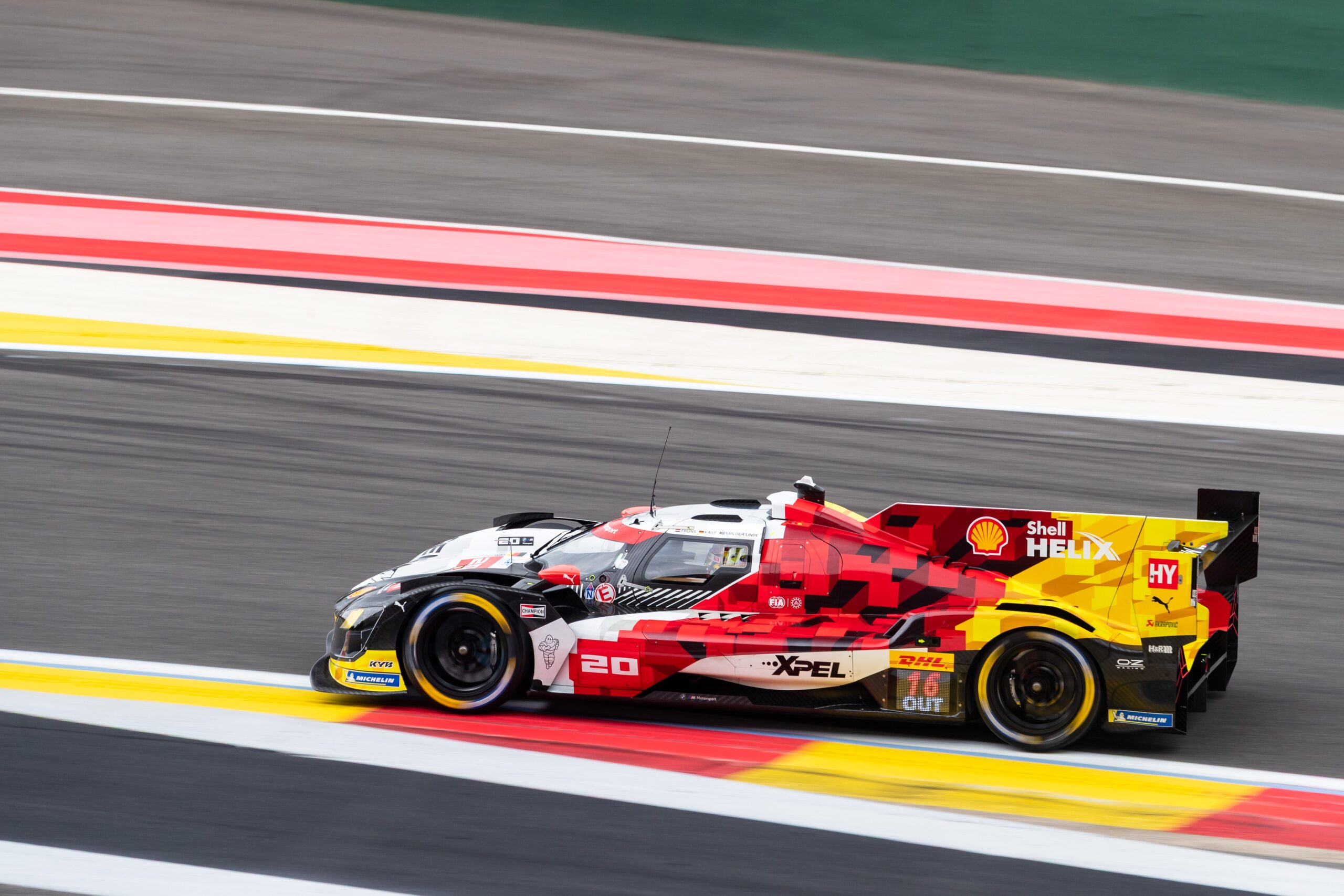


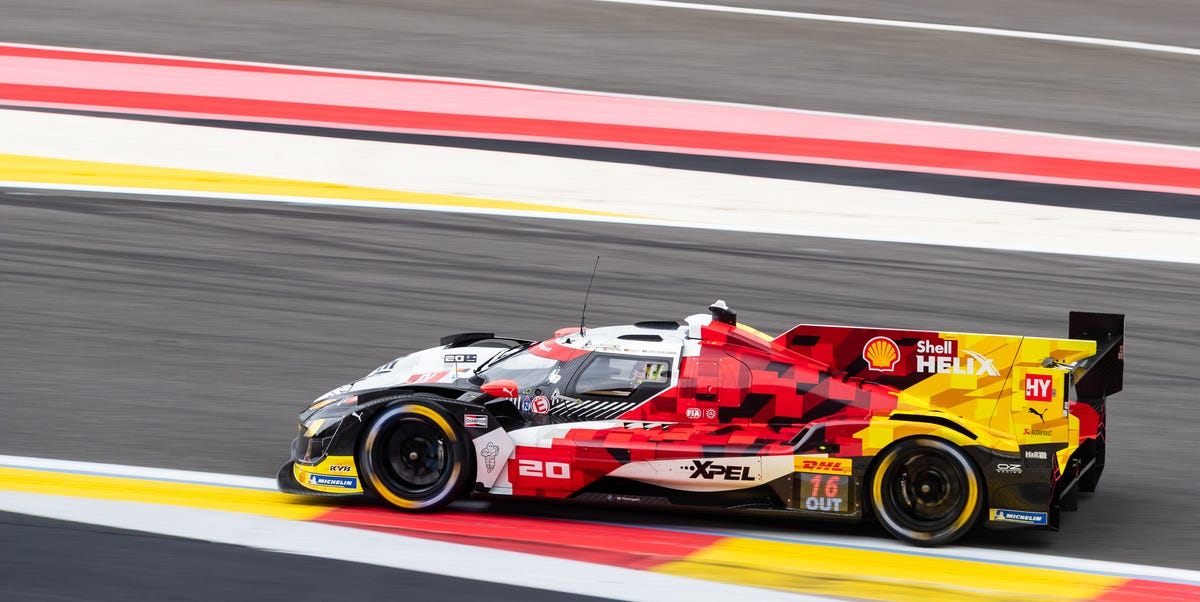
The No. 20 BMW M Hybrid V8 sits atop the 6 Hours of Spa-Francorchamps at the halfway mark, not because it was the fastest car on track, but because it was the smartest in the pit lane.
BMW and Toyota both short-fueled early in the third hour, jumping off the conventional pit cycle that had kept Will Stevens’ No. 12 Hertz JOTA Cadillac out front since the opening lap. The gamble put Sheldon van der Linde’s BMW 23 seconds clear of the No. 8 Toyota TR010, with the No. 35 Alpine A424 running third after beating the Cadillac off the second round of stops. It’s a bold play from a team that has scored exactly one point all-time at Spa-Francorchamps.
Stevens had looked like the man to beat early. He drafted past Loic Duval’s pole-sitting Peugeot 9X8 on the run to Les Combes on lap one and never looked back — until strategy reshuffled the deck. Peugeot’s maiden pole, earned by Malthe Jakobsen in qualifying, amounted to roughly 800 meters of glory before the French car started sliding backward.
A full-course yellow with 15 minutes left in the first half sealed the deal. It caught the Alpine, Cadillac, and Peugeot still needing to pit, while BMW and Toyota had already cycled through. Felix De La Costa managed to beat Deletraz’s Cadillac out of the pits, but neither could touch the two cars running clean air on the alternative strategy.
The race was already messy before the strategy divergence. Eric Powell beached his No. 77 Proton Competition Ford Mustang GT3 EVO in the gravel just 14 minutes in, triggering the first safety car. Earl Bamber’s No. 38 JOTA Cadillac suffered contact with the No. 92 Manthey Porsche, picking up a left-rear puncture that wrecked his afternoon. The No. 19 Genesis Magma Racing entry, only its second race, ducked into the pits with brake problems.
Toyota arrived at Spa as the form team, having won at Imola and closed out 2025 with a victory. The TR010 has won on its competitive debut and every time it has shown up since. But qualifying was poor, and the crew had to fight from behind.
Ryo Hirakawa brought the car in with 35 minutes left in the half. When he did, the leading BMW still had six percent energy remaining — enough cushion to stretch the stint and build a gap before van der Linde finally came in two laps later.
That’s the tension in the second half. BMW’s alternative strategy only works if the math holds on fuel consumption and if traffic cooperates. Three hours is a long time to protect an advantage built on clever timing rather than raw pace.
Toyota knows Spa better than anyone on the grid — eight wins in 14 appearances, the best record of any manufacturer at the circuit. Sébastien Buemi has been part of five of those victories. The TR010 has the legs, but whether it has the track position is another question.
Alpine, quiet in qualifying, drove its way into contention the old-fashioned way. Ferdinand Habsburg made a textbook pass on Duval through the bus stop chicane to claim second early. The team finished on the overall podium at Spa three of the last four years, and sitting third at the half on the conventional strategy, they are right where they need to be if the alternative-strategy cars stumble.
Ferrari’s No. 50 AF Corse entry climbed to second before the GTP pit cycles began, then faded. The defending champion swept Spa last year — Hypercar and LMGT3 — but hasn’t found that gear yet in 2026.
In LMGT3, the No. 21 Vista AF Corse leads, but the No. 88 Proton Competition Ford Mustang still owes a drive-through penalty. That should shuffle the No. 61 Iron Lynx Mercedes and No. 92 Manthey Porsche into the fight.
Three hours remain. BMW has the lead it has never earned here before. Keeping it will require the kind of race management this team hasn’t yet proven it can deliver under pressure.
Share this Story