
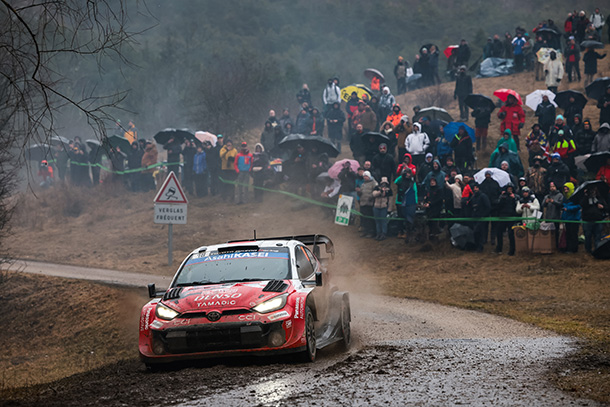


Five wins from five starts. That’s Toyota’s record at Safari Rally Kenya since the event clawed its way back onto the WRC calendar in 2021. Now the team heads to round three of the 2026 season carrying a run of dominance so complete it borders on absurd.
Toyota Gazoo Racing locked out the podium at both Rallye Monte-Carlo and Rally Sweden to open 2026, all five of its crews taking at least one top-three finish across those two events. The last time any team swept the first two podiums of a WRC season was 1984. That’s not a statistic the competition wants to dwell on heading into Kenya’s 350.52 kilometers of rocks, sand, mud, and hidden hazards starting March 12.
Championship leader Elfyn Evans arrives with a 13-point cushion over team-mate Oliver Solberg, who won Monte-Carlo. Takamoto Katsuta sits third after his runner-up in Sweden, carrying three Safari podiums on his résumé. And then there’s Sébastien Ogier — nine-time world champion, two-time Safari winner — slotting back into the lineup for his first Kenya start since 2023.
The Safari is the great equalizer in theory. Rocks lurk in tall grass. Rain transforms powder-dry tracks into treacherous mud rivers in minutes.
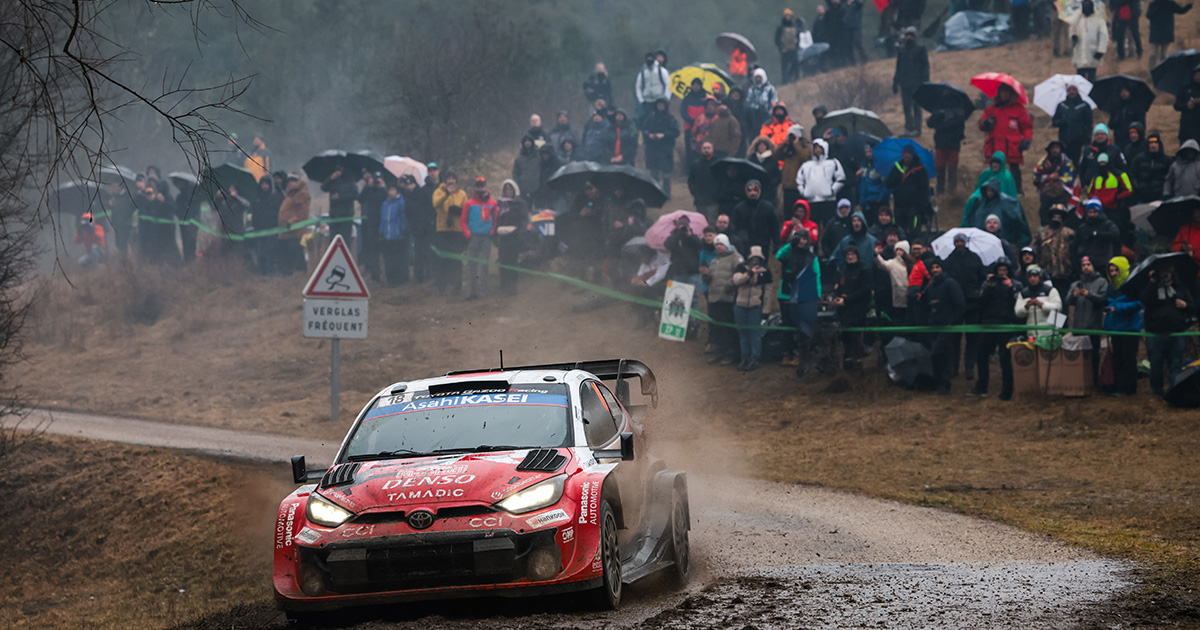
Teams bolt snorkel systems onto their Rally1 cars just to keep the engines breathing through water crossings and dust clouds. “You can find rocks in the middle of the road or hidden in the grass, and when it rains there can be standing water and zero grip,” Evans said. Speed matters less here than survival instinct.
And yet Toyota keeps winning. Thirteen Safari victories across the event’s entire history, five of them consecutive since 2021. The team’s preparation is surgical — car modifications tailored for this terrain, engineering knowledge banked over years of African competition.
Deputy team principal Juha Kankkunen, who knows a thing or two about winning in Kenya from his driving days, noted the one disadvantage modern teams face: “It’s not possible to test in Africa for weeks beforehand like we used to.” Pre-event testing footage of both Evans and Ogier shaking down snorkel-equipped GR Yaris Rally1 cars in Kenya has already surfaced online, suggesting Toyota isn’t exactly winging it.
Solberg faces his first Safari in Rally1 machinery and acknowledged the mental recalibration required. “It’s not about pure speed or finding the ultimate feeling with the car,” he said. “You need to try to find a consistent and safe pace.” Pajari, entered under the TGR-WRT2 banner, finished fourth on his Safari debut last year and wants to push toward the podium this time.
Even the WRC2 class is stacked with Toyota hardware. Gus Greensmith, a two-time category winner in Kenya, debuts aboard a privately entered GR Yaris Rally2.
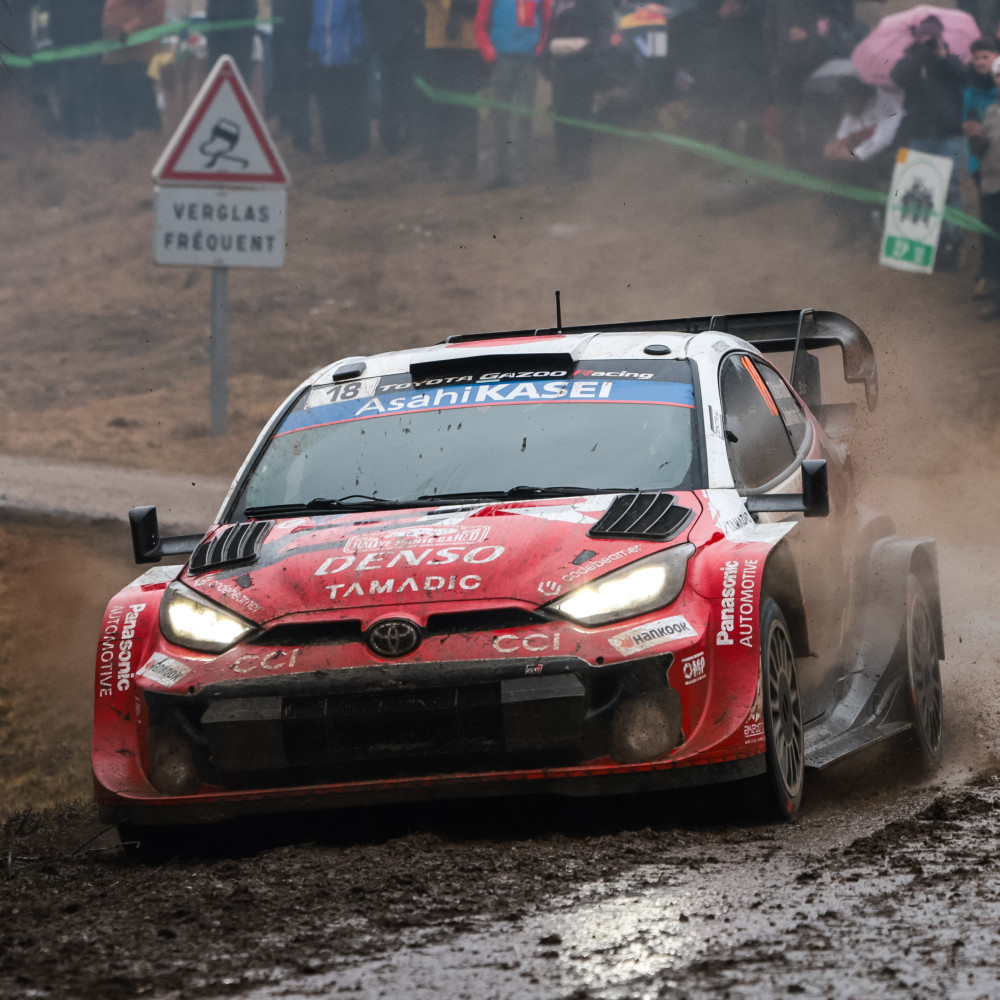
The route is tighter this year, centered on the Lake Naivasha service park northwest of Nairobi. Thursday’s shakedown leads into afternoon stages at Camp Moran and Mzabibu. Friday expands to a full day of repeated tests, Saturday pushes north toward Lake Elmenteita, and Sunday ends at the Hell’s Gate Power Stage — a name that tends to deliver on its promise.
Ogier flagged the earlier calendar slot as a wildcard. “It looks like it could be wetter than I’ve seen in the past,” he said. More water means more chaos, more mechanical attrition, more opportunities for things to go sideways.
One notable absence: TGR WRC Challenge Program driver Yuki Yamamoto sits out to recover from a testing crash before Rally Sweden.
The question hanging over Kenya isn’t whether Toyota can win again. It’s whether anyone else is even in the conversation. Hyundai and the rest of the WRC field have to find something — anything — to disrupt a team running this hot, on an event where Toyota’s institutional knowledge runs this deep. Six from six would push this beyond dominance into something closer to a private exhibition.
Share this Story