
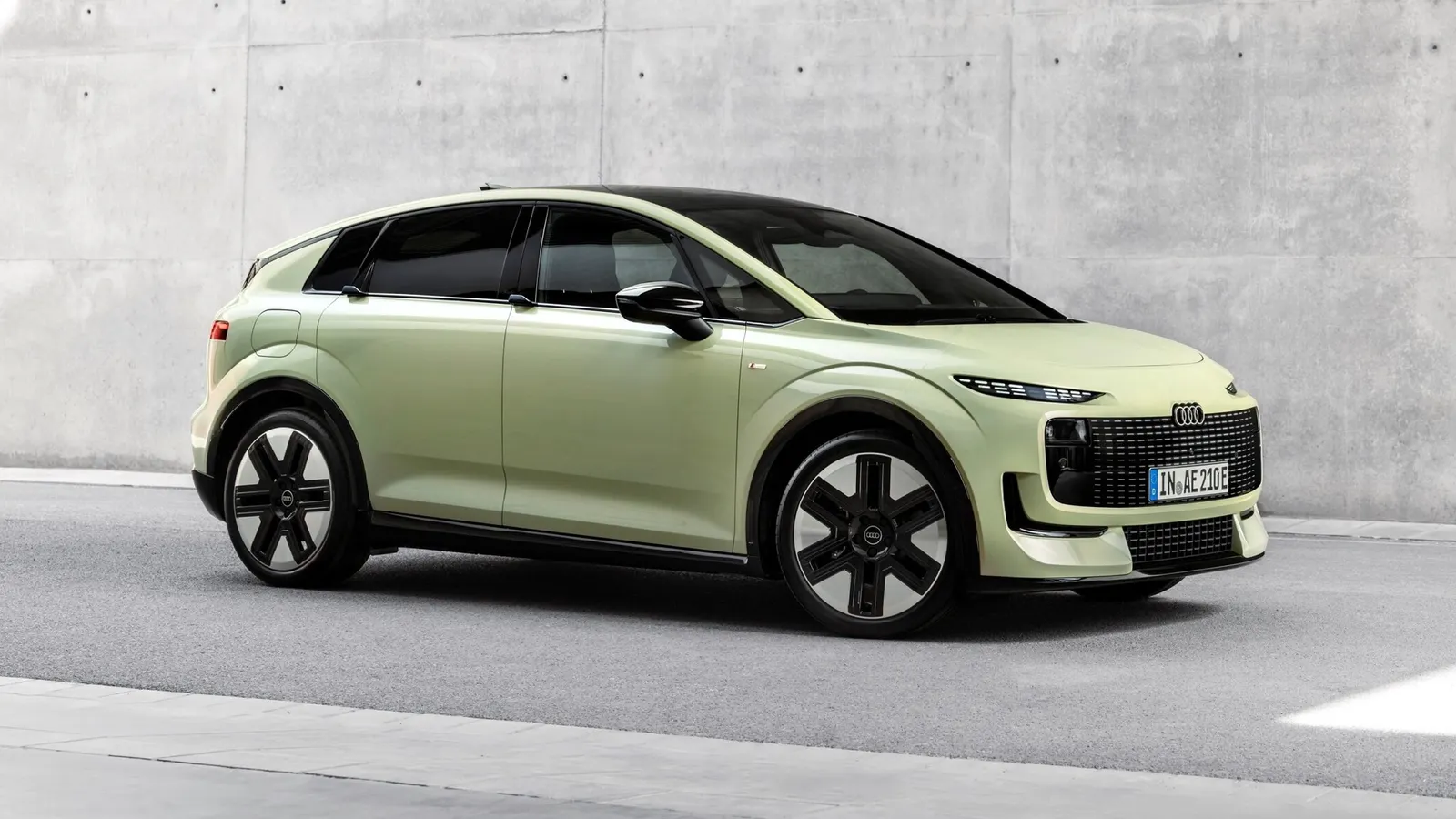


Audi just resurrected a nameplate that has been dormant for over two decades. The A2 e-tron, now on sale in Europe with first deliveries slated for December, becomes the brand’s most affordable electric vehicle. Pricing starts at 38,200 euros, roughly $44,700.
North America is not part of the plan. That detail stings, because the A2 e-tron is exactly the kind of compact, efficient, relatively affordable EV that American buyers keep saying they want. Audi describes it as “specifically tailored to the needs of European customers,” which is corporate speak for: the math does not work in the U.S.
The original A2, built from 1999 to 2005, was an aluminum-bodied curiosity that prioritized lightness and aerodynamics over everything else. It was weird, brilliant, and largely ignored by the market. The new one is less radical in construction, built on steel with Volkswagen Group’s MEB platform and 400-volt architecture, but it chases the same efficiency targets with a different toolkit.
A single rear-mounted permanent-magnet synchronous motor drives the back wheels. No all-wheel-drive option exists. Four powertrain and battery combinations span the range from 168 hp to 322 hp, with the quickest version hitting 62 mph in 5.7 seconds.
The base 52-kWh battery delivers 263 miles on Europe’s WLTP cycle. Step up to the 61-kWh pack and that stretches to 320 miles. The top 84-kWh battery claims 401 miles.
Audi says the 188-hp version equipped with an optional efficiency package achieves roughly 4.9 miles per kWh. That number, if it holds in real-world driving, would make the A2 one of the most efficient EVs on sale anywhere.
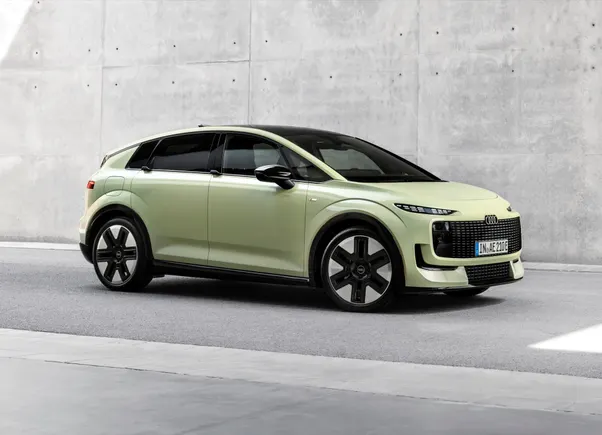
The engineering choices behind that efficiency figure are worth unpacking. Silicon-carbide power electronics reduce electrical losses. The single-speed transmission uses polished gear teeth, friction-optimized bearings, and lower-viscosity oil.
A drag coefficient of 0.24, the lowest of any current compact Audi, comes from an actively controlled front cooling intake, an enclosed underbody, and gap reducers that tighten the space between tires and wheel arches. At 168 inches long, the A2 is noticeably smaller than the current A3. Its 109.1-inch wheelbase and stubby overhangs carve out interior space that belies the compact footprint.
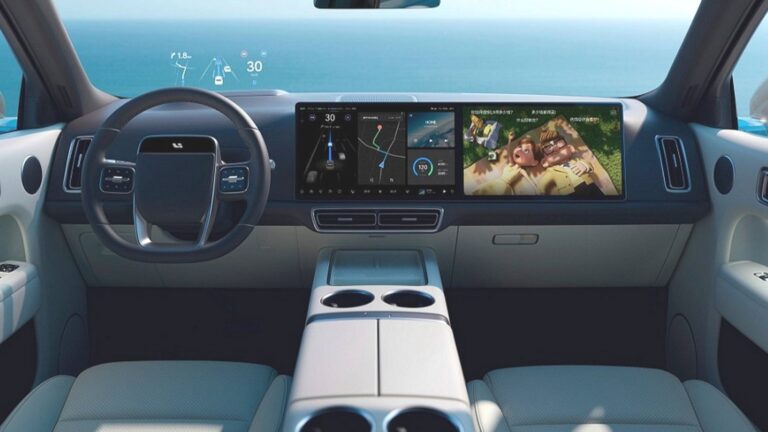
The two larger-battery versions even get a small frunk, though at 0.5 cubic feet it is more of a courtesy than a feature. Inside, Audi introduced a fabric-covered interior treatment it calls “softwrap,” stretching from the instrument panel through the doors into the rear cabin.
Physical controls survive on the steering wheel and a central pod. That alone puts the A2 ahead of many competitors still drunk on touchscreen minimalism. Bidirectional charging capability lets the car feed power back to a home through a compatible DC wallbox.
Regenerative braking offers four levels, including full one-pedal driving through a B mode on the column shifter. Nothing groundbreaking there, but the execution sounds thorough.
The development timeline is perhaps the most revealing number in the entire spec sheet. Audi says the A2 was developed 21 months faster than comparable predecessor programs. Production at Ingolstadt reuses more than 1,200 existing manufacturing assets, including 250 robots pulled from discontinued model lines.
That kind of efficiency pressure reflects VW Group’s broader scramble to compete with Chinese EVs flooding into Europe at aggressive price points. The A2 is Audi’s answer to a specific threat: brands like BYD and MG pushing capable electric hatchbacks into the European market for well under 40,000 euros. Whether 38,200 euros is truly “affordable” for a compact hatchback remains a debate Audi would rather not have, especially when a BYD Dolphin undercuts it by thousands.
First deliveries hit European driveways in December. Americans, meanwhile, will have to keep waiting for the compact premium EV that nobody seems willing to build for them.



Share this Story