
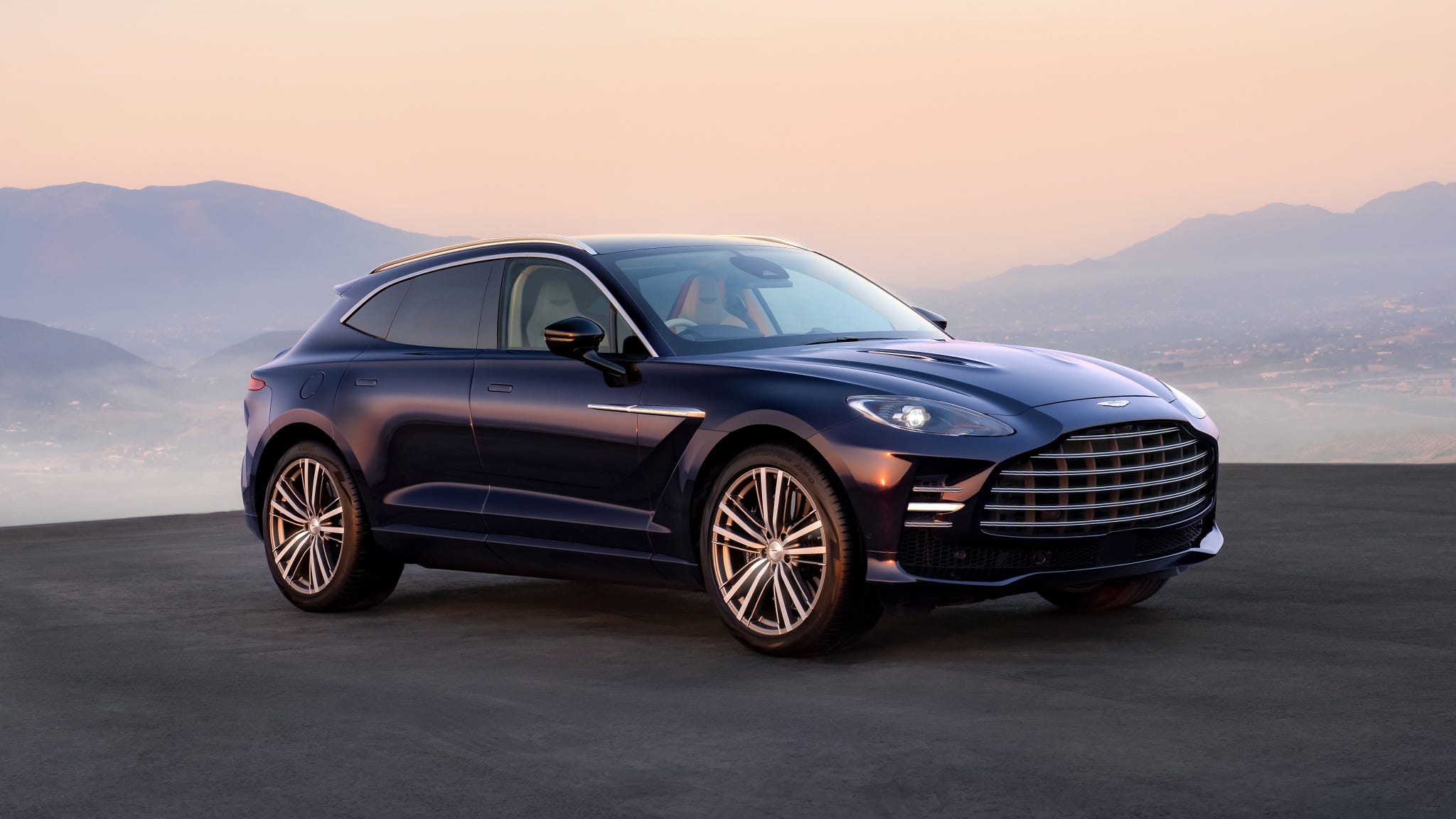


Aston Martin sold just 1,717 DBX SUVs last year. That number would be respectable for a niche sports car, but for the vehicle that was supposed to double the company’s global volume and bankroll its future, it represents a slow-motion crisis.
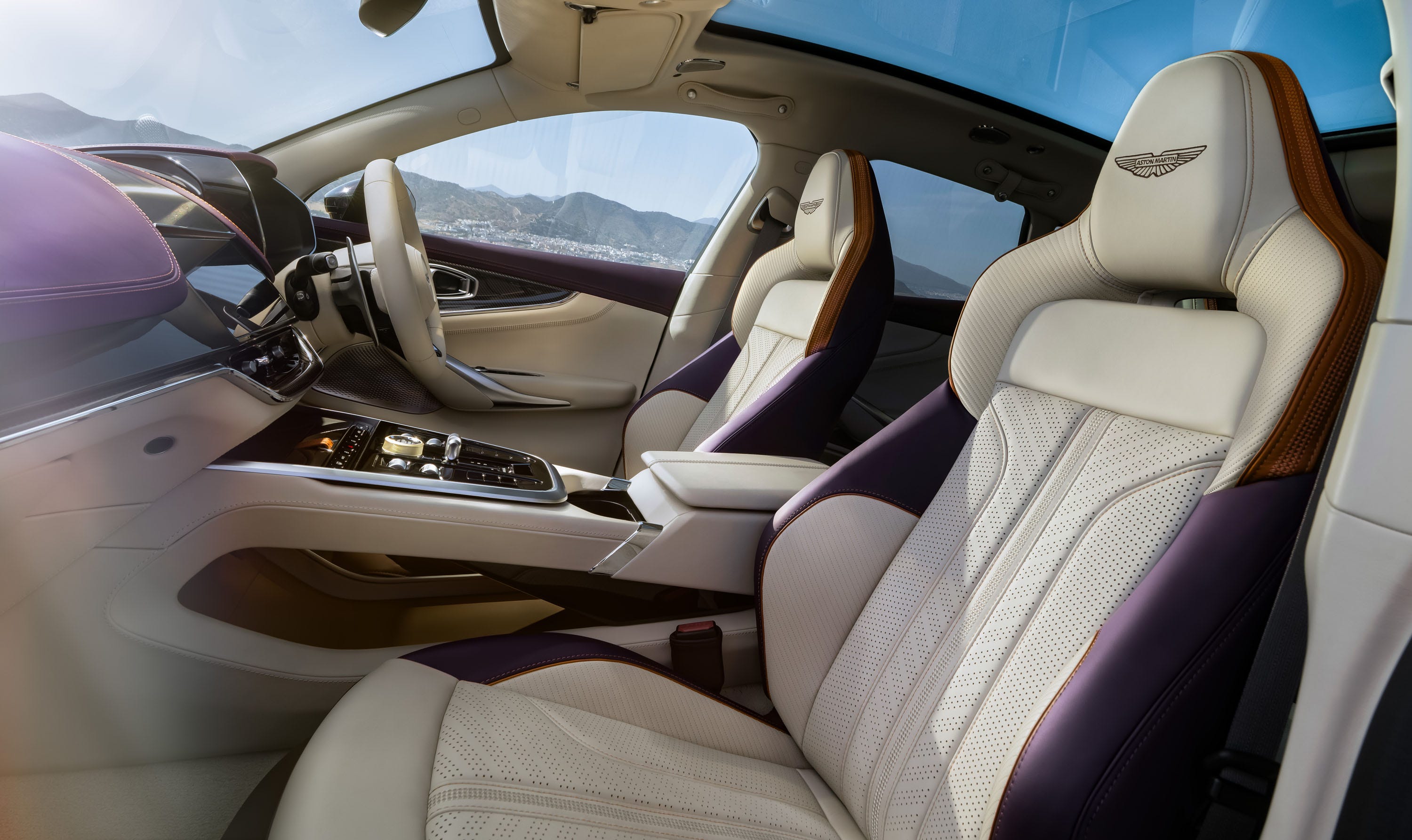
The new 2027 DBX GT is the latest attempt to reverse the slide. It pairs the 717-hp, 4.0-liter twin-turbo V-8 from last year’s DBX S with a more luxurious cabin and a suspension tuned to smooth out the real world rather than conquer a racetrack. Think of it as Aston asking wealthy buyers a different question: what if the fast one was also the comfortable one?
When the original DBX launched in 2019, then-CEO Andy Palmer projected 4,000 annual sales. The SUV peaked at just over 3,000 in 2022 and has been falling since. That trajectory has coincided with executive chaos.
Palmer was replaced by Tobias Moers in 2020. Moers lasted two years before Amedeo Felisa took over. Felisa handed the job to Adrian Hallmark in September 2024. Four CEOs in five years is not a stability play.
Hallmark’s diagnosis is blunt. “The current DBX repurchase rate is pretty low,” he said. “If we can double the existing repurchase rate, the DBX revenue issue is solved.” His prescription is not a clean-sheet redesign but a strategy of variants, giving current owners a reason to come back for something different.
The DBX S came first, sharpening the steering and trimming weight. The GT takes the opposite tack. It keeps the S’s mechanical bones, including its 3.1-second 0-to-60 claim, 193-mph top speed, and massive carbon-ceramic brakes.
The suspension gets a new shock valve system calibrated for better low-speed ride quality without sacrificing composure at high speeds. Two new longitudinal dampers between the body and rear subframe address the kind of jolts that come from potholes and sharp crests, not apexes.
Accelerator pedal mapping has been revised for finer control. The AMG nine-speed wet-clutch transmission gets calibration tweaks for smoother shifts, plus a stiffer mount bushing borrowed from development work on the million-dollar Valhalla supercar. Even the exhaust gets a rethink, with double mixing in the rear muffler filtering out harsh metallic frequencies.
In the default GT drive mode, the V-8 stays composed. Flip to Sport or Sport+ and the noise comes back.
The real tension here sits underneath the badge. Aston builds its SUV around a Mercedes-AMG powertrain and has used Mercedes infotainment systems since 2016. One of Lawrence Stroll’s mandates when he installed Moers was to develop a proprietary infotainment architecture, but the DBX GT still lives inside AMG’s mechanical ecosystem. It is an Aston Martin that depends on Stuttgart for its beating heart.
The competitive set has not been standing still. Porsche has refined the Cayenne through multiple generations. Lamborghini sold over 6,000 Urus units last year. Ferrari’s Purosangue has a two-year waiting list.
Each of those brands commands a tribal loyalty that Aston Martin, for all its beauty and heritage, has struggled to replicate in the SUV segment.
Hallmark is betting that variant strategy and improved repurchase rates can close the gap without a clean-sheet replacement. The DBX GT does not reinvent the formula. Whether refinement alone can pull buyers away from Maranello and Zuffenhausen is a question Aston has been asking, under four different CEOs, for five years running.

Share this Story