


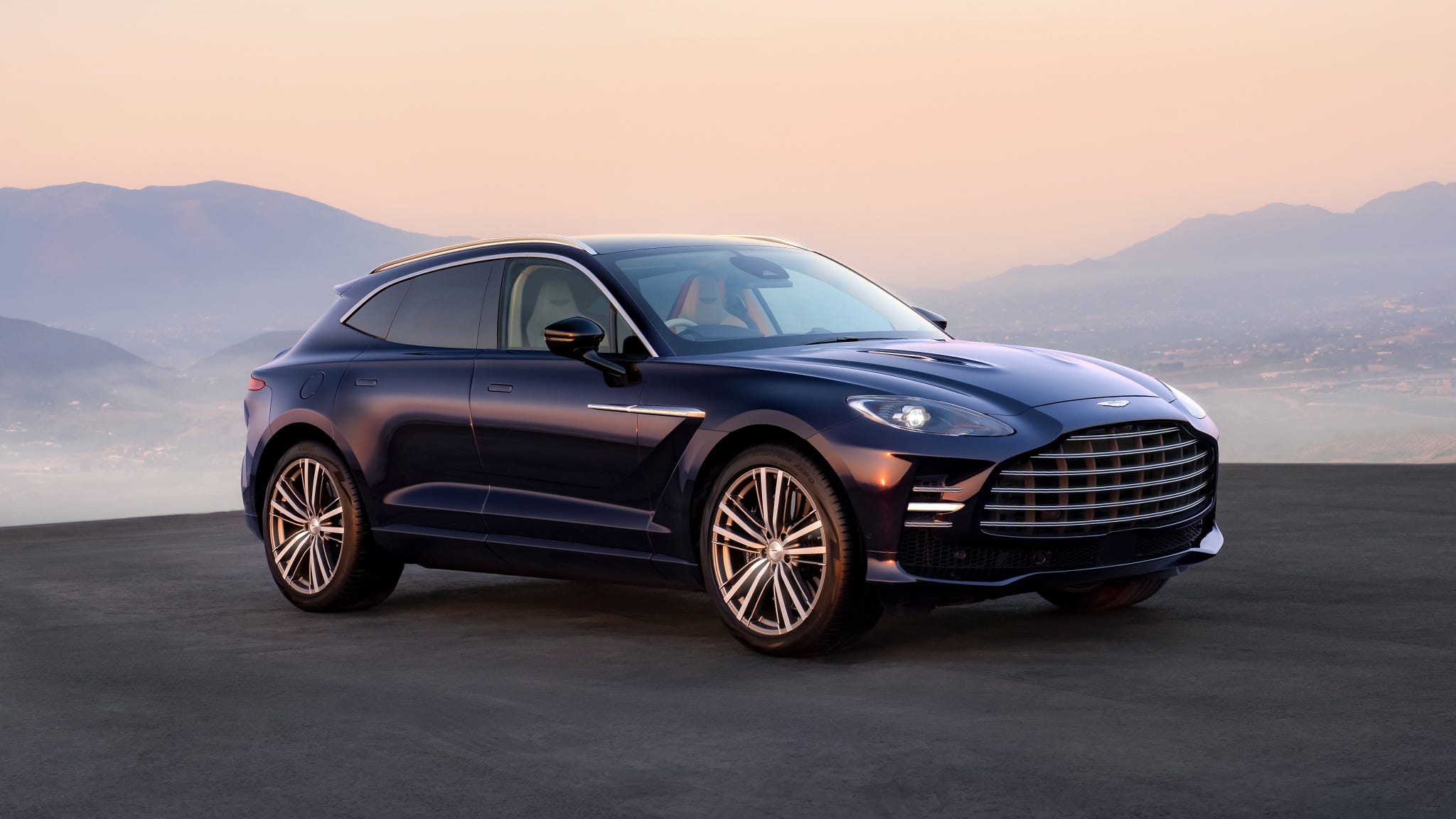
Seven hundred and seventeen horsepower wasn’t enough. Or rather, it was plenty, but Aston Martin decided the DBX needed a version that whispered instead of screamed. The 2027 DBX GT keeps every bit of the twin-turbo V-8 from the DBX S and wraps it in memory foam.
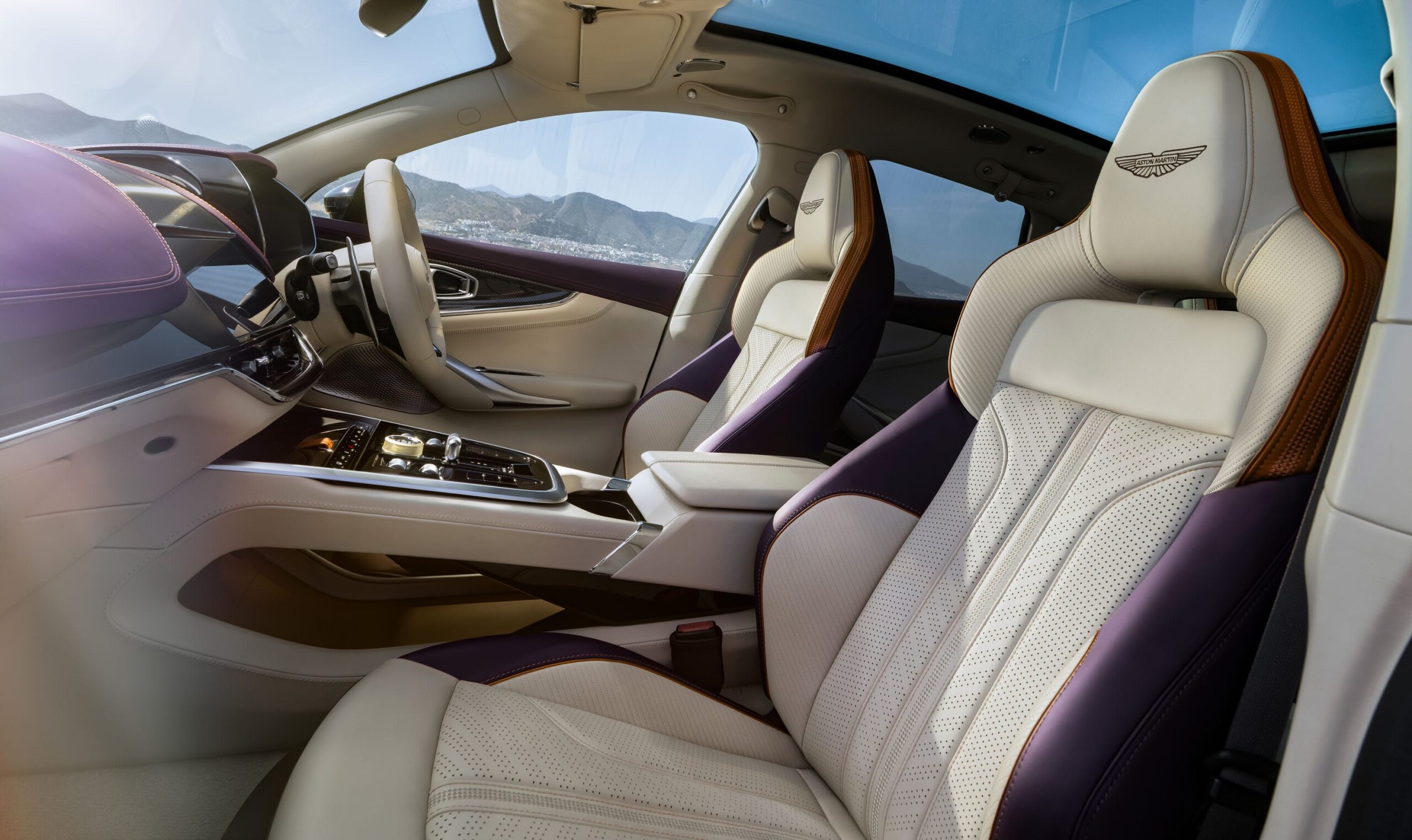
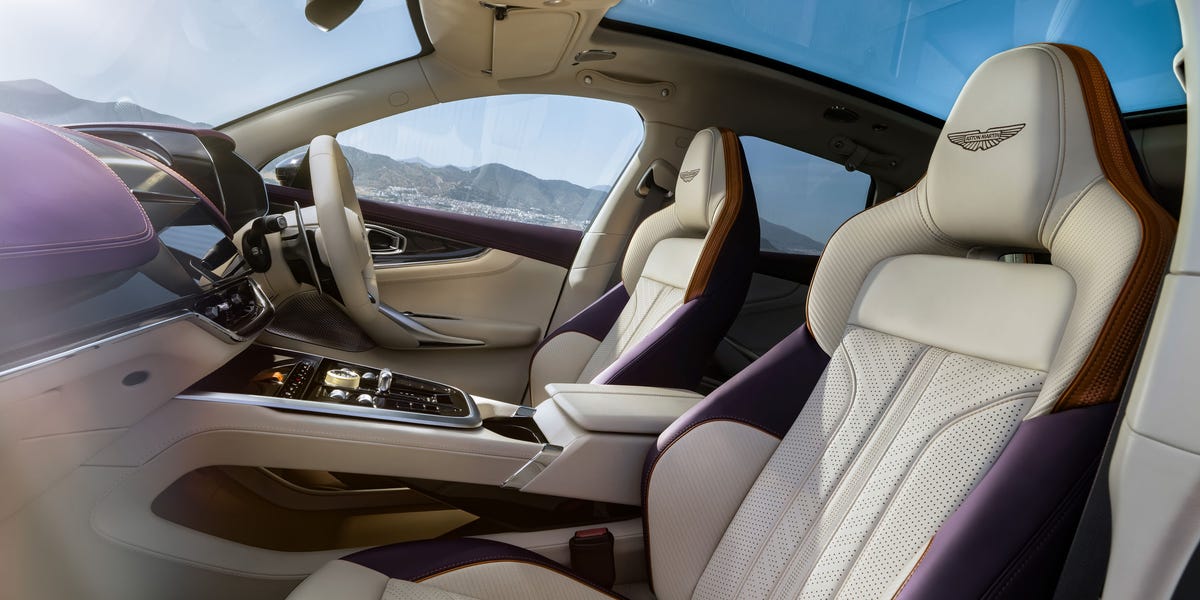
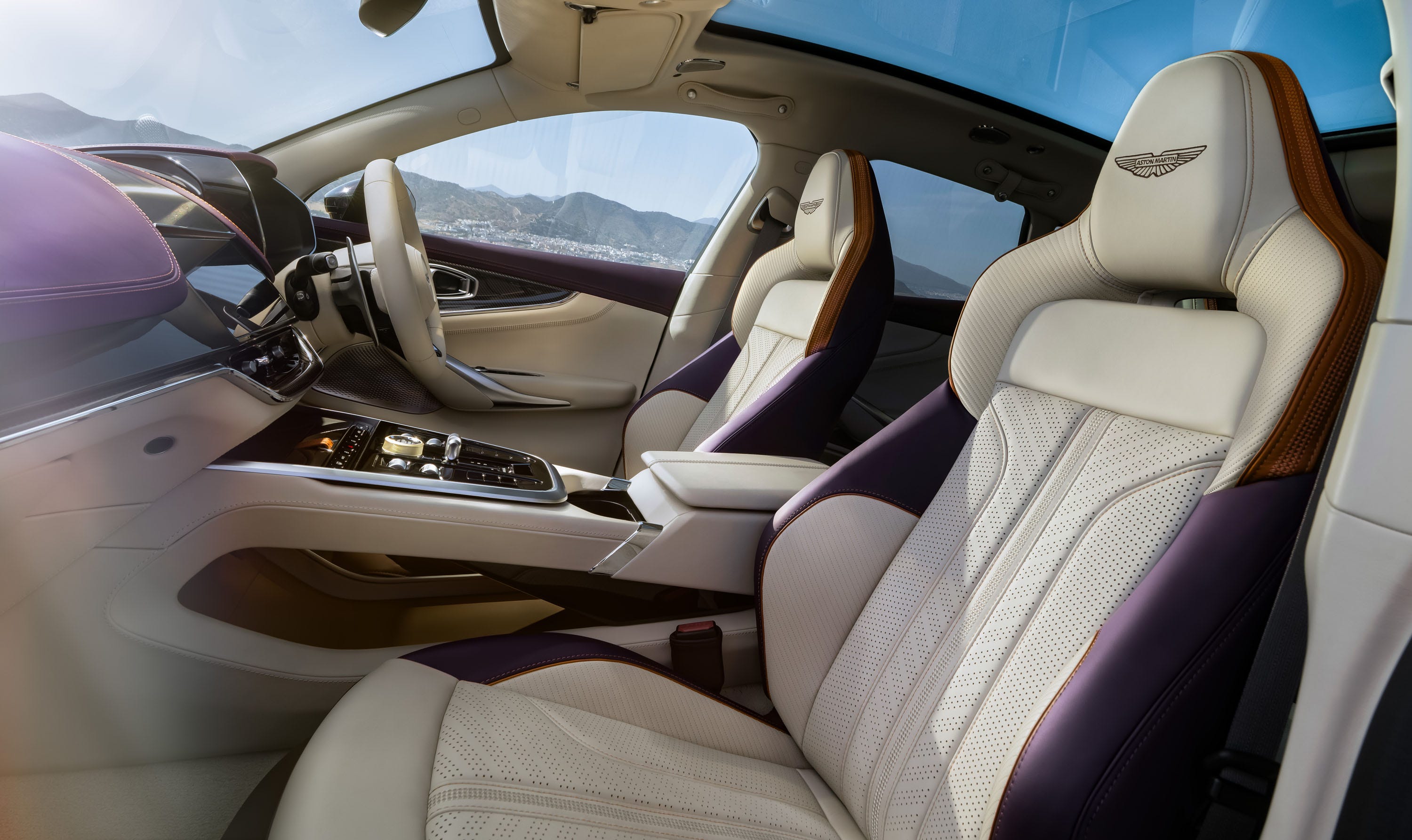
That’s not a metaphor. Aston Martin specifically added a 0.4-inch-thick layer of memory foam to the seats, on top of revised cushioning and new upholstery with intricate stitching that wraps up and around the headrests. The cabin layout is identical to the rest of the DBX family, but the materials have been quietly elevated.
The drive mode dial gets an anodized metal finish. The rear outer seats feature more aggressive bolstering, and the center seat wears a different color to distinguish itself visually. The message is plain: the DBX GT exists for the buyer who wants the brutality on tap but doesn’t want to feel it.
Aston Martin also says structural improvements and additional sound-deadening material have made the cabin measurably quieter. In a segment where the Lamborghini Urus, Porsche Cayenne Turbo GT, and Ferrari Purosangue all compete on decibels and drama, this is a deliberate pivot. The DBX GT isn’t trying to out-shout anyone.
It’s trying to make 717 horsepower feel civilized at 80 mph on the motorway.
This is a well-worn playbook in the super-SUV world. Bentley built its entire Bentayga identity around the idea that absurd speed and deep-pile luxury aren’t contradictions. Aston Martin is now slicing its DBX lineup more finely to cover both ends, with the S handling the raw, track-adjacent personality and the GT taking the grand touring brief literally.
The question is whether the market can absorb that kind of segmentation from a brand that sells in relatively small volumes. Aston Martin doesn’t move Cayenne numbers. It doesn’t move Urus numbers. Splitting the DBX into distinct characters means each variant has to find its own audience within an already narrow buyer pool.
But the logic tracks. DBX buyers are not cross-shopping Porsches. They’re choosing between an Aston and a Bentley, or an Aston and a second Range Rover. For that customer, the thickness of seat foam and the silence of the cabin at speed are not trivial details.
What Aston Martin has not changed tells you as much as what it has. The powertrain is untouched. The chassis appears to carry over. This is a trim-level play dressed up as a new model, and Aston is banking on the idea that buyers will pay a premium for refinement layered on top of existing hardware.
Whether the price reflects a modest bump or something more ambitious remains undisclosed. The 2027 DBX GT enters a segment that keeps getting more crowded and more contradictory, where every competitor promises both savagery and serenity. Aston Martin is just being more honest about which side of that line this particular truck is meant to live on.


Share this Story