


The GV60 Magma EV has barely landed in American showrooms, and Genesis executives in Australia are already teasing something fiercer. When asked whether Magma could one day compete with Mercedes-AMG’s Black Series or BMW’s M Competition variants, the answers were coy but unmistakable.
“The possibilities are endless,” said Justin Douglass, head of Genesis Motors Australia, in an interview with CarSales. Tim Rodgers, GMA’s product development manager, went further with a grin-worthy non-denial: “Why not is the answer, right?”
Rodgers quickly added he was “just speculating.” But speculation from a product development manager carries a different weight than speculation from your neighbor.
Genesis has one Magma model on sale in the U.S. today. One. The sub-brand is barely two years old. And yet the conversation has already leaped to whether the Korean luxury marque can challenge the most extreme performance hardware Stuttgart and Munich produce.
That gap between ambition and current reality defines Genesis in 2025.
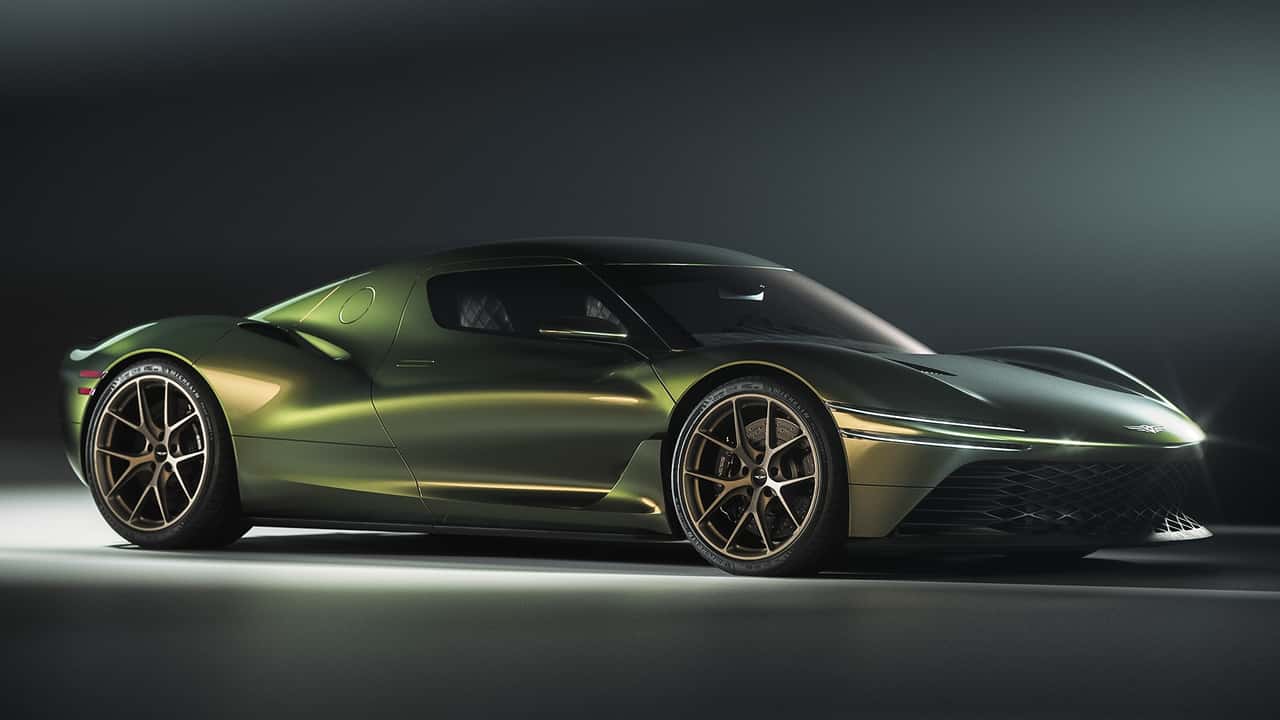
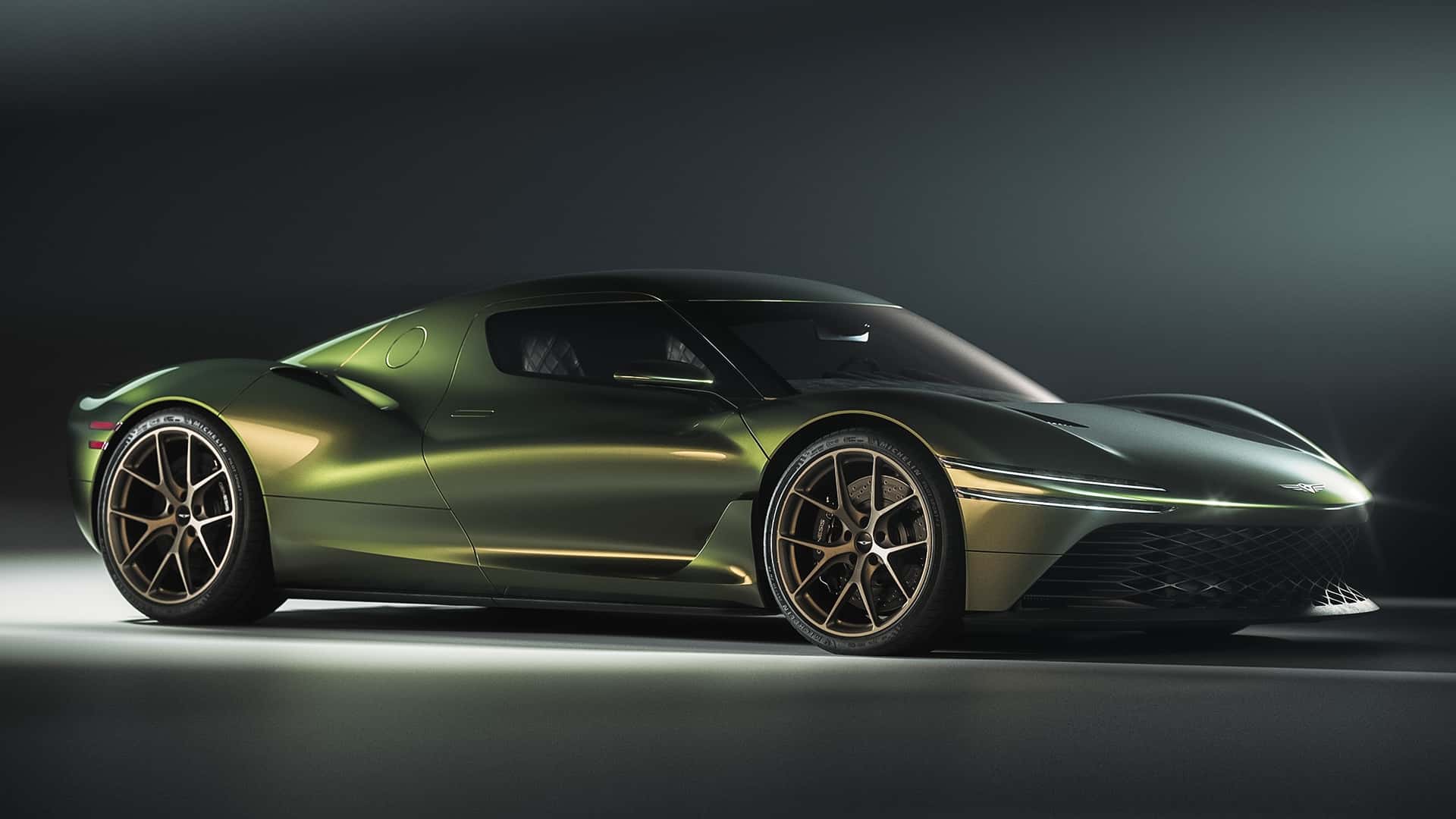
The breadcrumbs are there if you want to follow them. Last November, Genesis rolled out the Magma GT Concept, a mid-engine machine the brand said would “define the direction of performance heritage” for the next decade. In April, the company announced plans to field 22 models in the U.S. by the end of 2030, spanning new powertrains, trims, and derivatives.
A pickup truck is reportedly under consideration, leveraging Hyundai’s platform work. A smaller EV, mirroring the Hyundai Ioniq 3’s footprint, is also in play.
Twenty-two models in five years is aggressive for a brand that currently sells a handful of sedans and SUVs. Layering a full performance hierarchy on top of that, from Magma to something even more extreme, would require engineering resources, motorsport credibility, and marketing muscle that Genesis is still building.
Mercedes took decades to establish AMG as a standalone force. BMW’s M division traces its roots to the early 1970s. Both brands earned their performance reputations through racing programs, countless engineering iterations, and a few legendary failures. Genesis has the Magma GT Concept and some encouraging words from Australian executives.
But dismissing Genesis would be a mistake. Hyundai Motor Group has a pattern of arriving late to segments and then executing with startling competence. The N division at Hyundai proved that Korean engineering could produce legitimate track weapons.
The Ioniq 5 N is one of the best electric performance cars on sale today. The corporate knowledge exists. The question is whether Genesis gets the budget and the green light.
The concept cars offer hints at what a hotter-than-Magma lineup might look like. The X Gran Equator, a muscular SUV concept, practically begs for a performance variant. The G90 Wingback is the kind of design statement that could anchor a flagship Magma model. Whether any of these reach production in extreme form remains pure speculation.
What is concrete: Genesis has committed publicly to 22 models by 2030, it has a performance sub-brand that is expanding, and its senior product staff is openly entertaining the idea of going head-to-head with Black Series and M Competition cars. That is a very specific ambition from a brand that only a few years ago was struggling to explain to American buyers why it existed at all.
Rodgers was careful to frame his comments as speculation. But product managers at car companies don’t speculate carelessly in front of journalists. They plant seeds. And Genesis just scattered a handful into very fertile ground.
Share this Story