
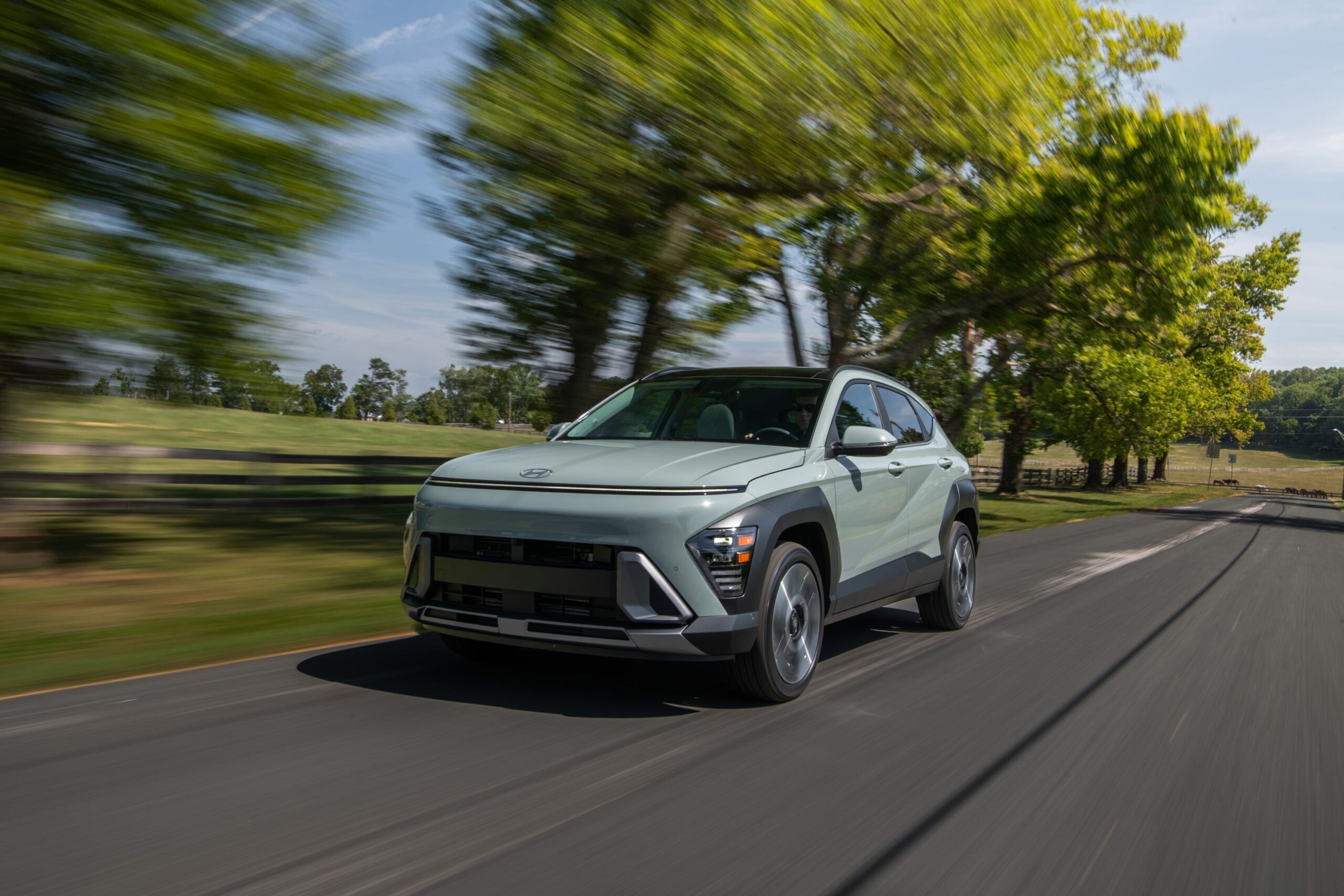


A seatbelt that doesn’t restrain you in a crash isn’t a seatbelt. It’s a liability stitched into the upholstery. Hyundai just recalled 47,749 Kona and Kona Electric SUVs because the rear center seatbelt buckle may do exactly nothing when you need it most.
The recall, filed with the National Highway Traffic Safety Administration, covers 47,733 examples of the 2026 Kona and just 16 units of the 2025 Kona Electric. The split tells you this is overwhelmingly a current-model-year production problem, not a legacy defect that festered for years before someone noticed.
The root cause is painfully mundane: a stamping die at a supplier’s facility wasn’t properly maintained. Overuse wore the die down, and without adequate inspection, parts drifted out of spec. The seatbelt buckles rolling off that line didn’t meet normal production standards, and Hyundai says there’s no way for an owner to tell whether their vehicle got a bad one just by looking.
That last detail is the one that should bother people. There’s no visual indicator, no warning light, no telltale rattle. A parent could buckle a child into that center rear seat tomorrow and have zero reason to suspect it might not hold. Hyundai’s own guidance is blunt: don’t use the rear center seat until the fix is done.
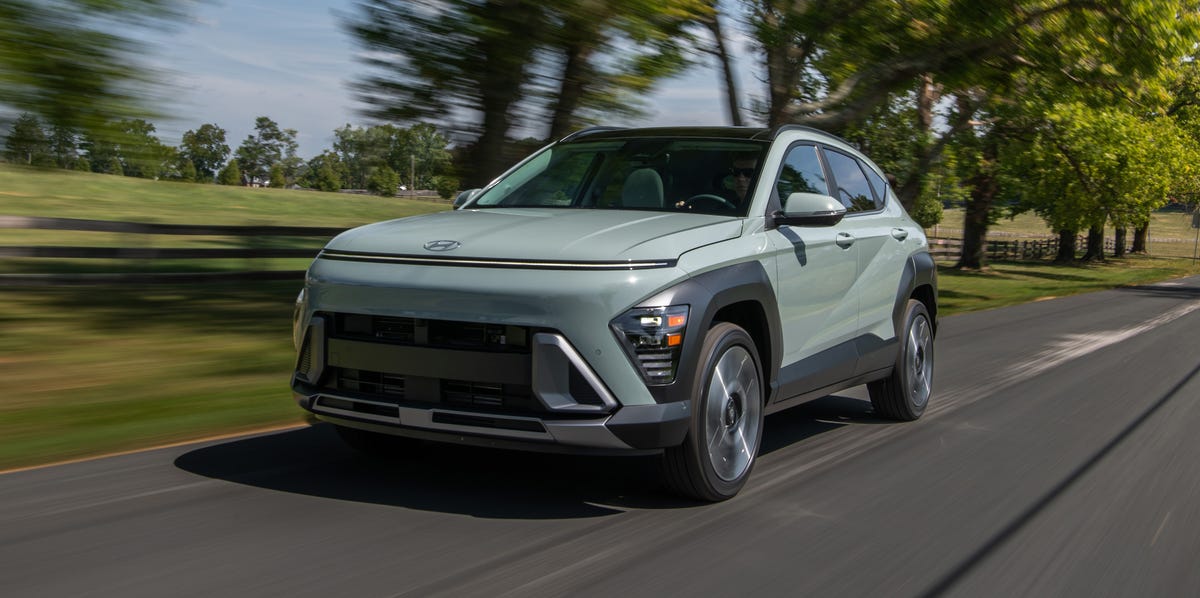
Hyundai says it implemented improved die maintenance inspection standards at the supplier in January 2026. The timeline raises an obvious question — how many months of production ran before the defect was caught, and what flagged it? The recall documents don’t specify whether an actual incident prompted the discovery or whether it surfaced through internal quality audits.
Dealer notifications and owner letters are expected by September 11. The remedy is a straightforward buckle replacement, which shouldn’t keep anyone’s Kona in the shop for long. But the gap between now and September means tens of thousands of owners will spend weeks not knowing whether their vehicle is affected unless they proactively check the NHTSA recall database.
This isn’t Hyundai’s first recall rodeo, and a single defective supplier component doesn’t indict the entire Kona program. But a seatbelt failure — the most basic passive safety system in any vehicle — hits differently than a software glitch or a camera malfunction. Seatbelts are the last line. The engineering is not supposed to be the variable here. The supplier’s quality control is.
Hyundai has been on an aggressive growth tear, pushing volume across its lineup while expanding its EV portfolio. The Kona sits at the heart of that strategy as an affordable, high-volume compact SUV. Moving nearly 48,000 units with a potentially defective safety component is the kind of stumble that erodes the trust Hyundai has spent a decade rebuilding.
Owners can check whether their VIN falls within the recall population at nhtsa.gov. Given the stakes, waiting for a letter in the mail feels like the wrong play.
Share this Story