
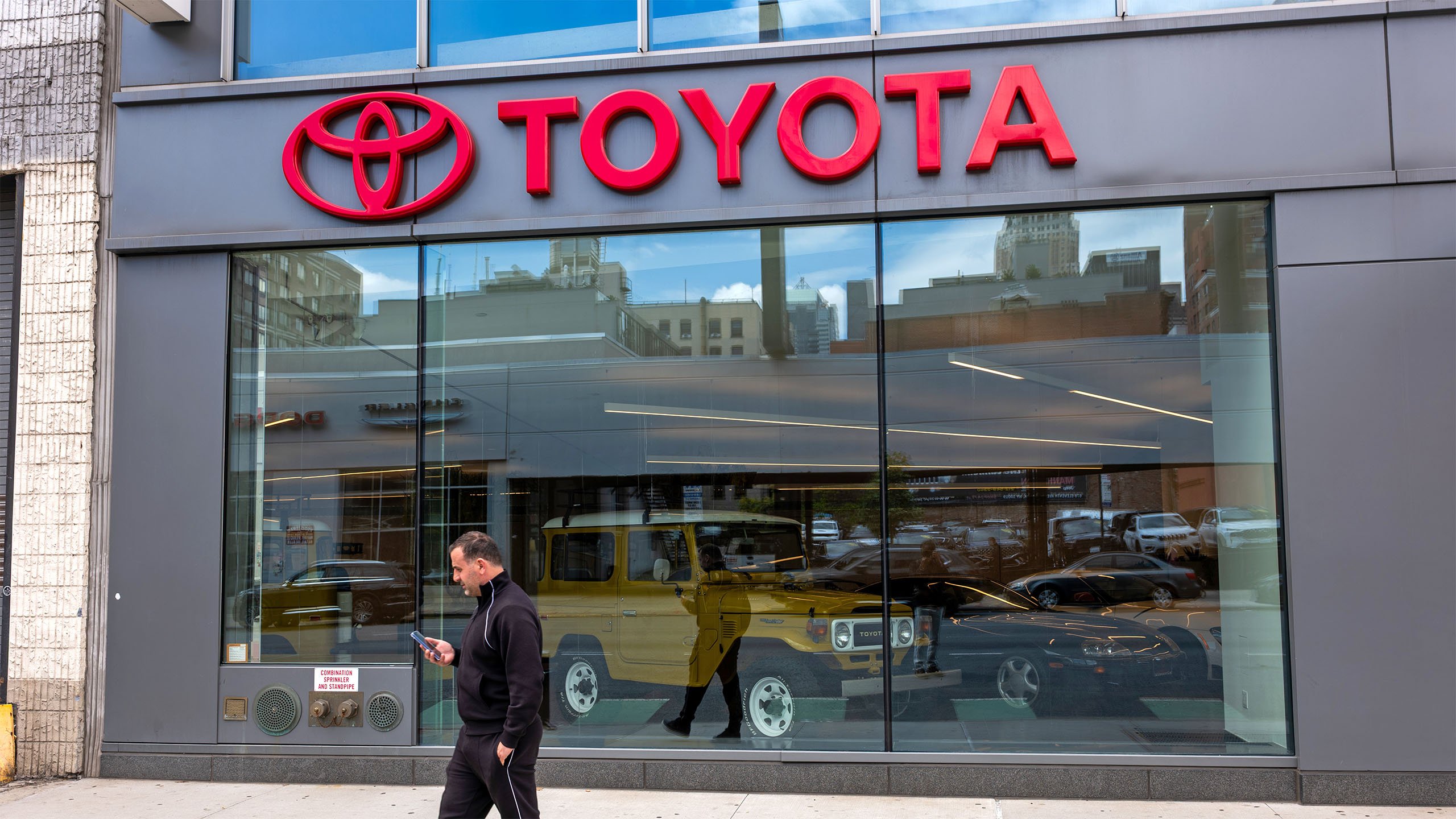


Toyota’s global sales fell 7.4 percent in May compared to a year ago, marking the fourth consecutive monthly decline for the world’s largest automaker. Supply disruptions in the Middle East and intensifying competition in China are dragging down numbers that, not long ago, seemed bulletproof.
Kia, meanwhile, posted a 4 percent global sales increase over the same period, with a 10 percent jump in Europe alone. The Korean brand is riding demand for hybrids and EVs that Toyota arguably should have owned by now.
“Europe is tough and China is growing, but Kia is growing as well,” Kia CEO Song Ho-sung said. That’s a polished way of saying his company is eating lunch in markets where Toyota once set the table.
Toyota’s China problem is particularly striking. The company that pioneered the modern hybrid with the Prius two decades ago now finds itself outgunned in the world’s largest car market by Chinese brands offering cheaper, more advanced electrified vehicles. Four straight months of declining sales isn’t a blip. It’s a trend line that should worry Toyota City.
Kia’s European surge tells the other half of the story. While legacy European brands struggle with the continent’s tightening emissions mandates, Kia showed up with the right products at the right time. Its EV6 and EV9 have genuine credibility, and its hybrid lineup slots neatly into a market that isn’t ready to go fully electric but can’t afford to stay on gasoline alone.
The broader picture across the industry last week only sharpened the contrast between companies moving forward and those standing still. Volkswagen and Bosch quietly ended their autonomous-driving partnership after spending an estimated $1.7 billion with, by all accounts, nothing competitive to show for it. That’s a staggering sum to light on fire, even for two companies of that size.
Tesla settled a lawsuit stemming from the 2023 death of a 71-year-old woman struck by a Model Y operating under Full Self-Driving. Separately, NHTSA closed its investigation into power-steering failures across roughly 376,000 Model 3 sedans, saying Tesla addressed the problem through a recall last year. The regulatory and legal machinery around Tesla keeps grinding.
On brighter ground, Lotus EVs are reportedly headed to Canada next month under Geely’s stewardship, and all 88 units of the Ferrari Luce allocated for China sold out at a minimum of $586,000 each. The ultra-luxury end of the market remains impervious to gravity.
Mazda’s Australian division chief confirmed a next-generation Miata is still in the pipeline, though the company can’t say when it will arrive. He added a gut punch for purists: it may be the last Miata powered solely by internal combustion. Given the regulatory direction of every major market, that’s less a prediction than an inevitability.
And Koenigsegg finally delivered its first customer Gemera, a full six years after the car’s debut. Six years from concept to a single delivery makes even the most glacial product launches look efficient.
The week’s headlines paint a consistent picture. Companies with the right electrified products in the right markets are gaining ground. Companies still sorting out supply chains, software partnerships, or product strategies are losing it.
Toyota has the engineering talent and manufacturing discipline to reverse its slide, but four months of red ink suggests the correction won’t come from standing pat. Kia isn’t waiting around to find out.
Share this Story