
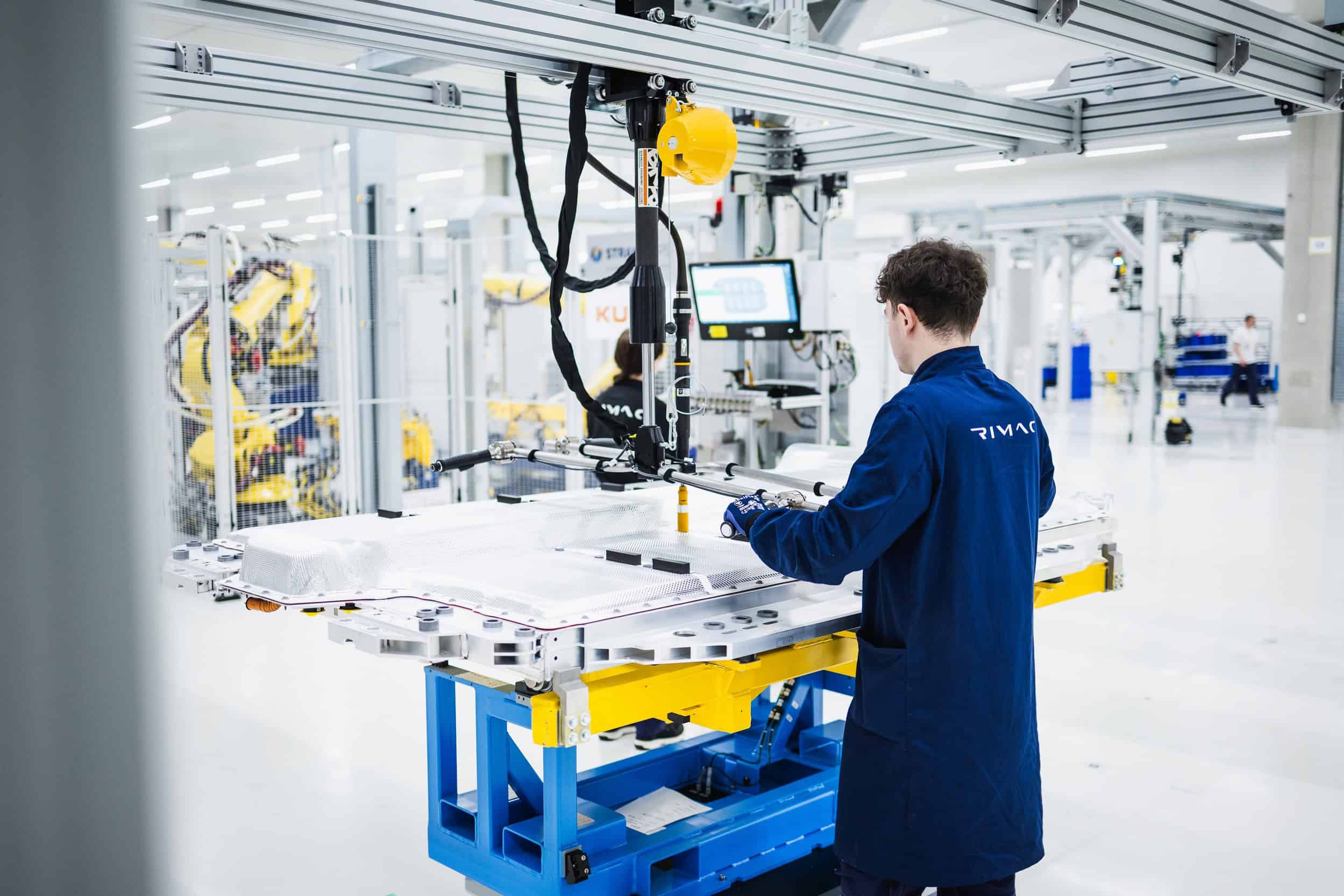


Rimac Technology has two more BMW programs in the pipeline, and Mate Rimac isn’t saying which cars they are.
“There are two more cars in the pipeline that we are doing, but I can’t provide additional details yet,” he told Automotive News Europe. He wouldn’t say if they’re EVs or plug-in hybrids, and that silence leaves more than one door open.
The arithmetic points toward the facelifted i5.
Start with what Rimac already did. For the 2027 i7, the Croatian supplier kept BMW’s 400-volt architecture but swapped the Gen5 prismatic cells for the 4695 cylindrical Gen6 cells developed for the Neue Klasse iX3 and i3.
The clever part was making those new cells fit inside BMW’s old Gen5 module design. Usable capacity rose from 101.7 kWh to 112.5 kWh without stealing any cargo space. Peak DC charging climbed from 195 kW to 250 kW.
No new platform. No 800-volt conversion. Just a smarter pack, built near Zagreb.
Rimac spent €130 million, about $150 million, on a dedicated line for that pack. That’s a lot of money to sink into one low-volume flagship. It only makes sense if more BMW work follows.
BMW, for its part, has a problem Rimac happens to solve. The Neue Klasse gets the new cells and the new electrical architecture. The CLAR-based cars still in showrooms don’t, and they have to stay competitive for years yet.
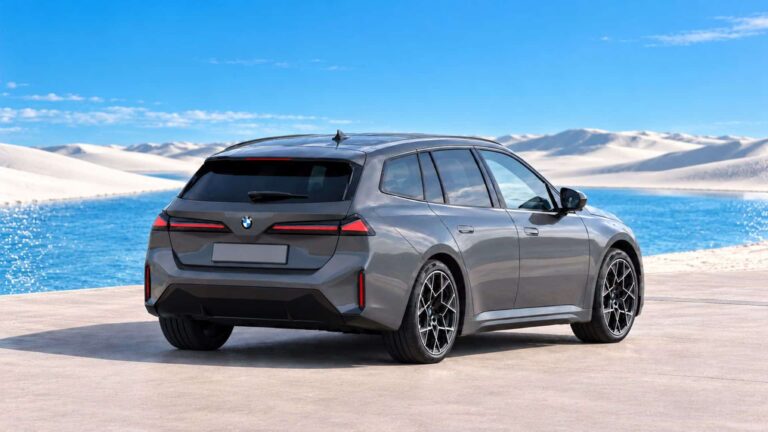
The i5 is the obvious candidate. It rides on CLAR, rolls out of Dingolfing alongside the i7, and still runs a 400-volt Gen5 prismatic battery. Earlier reporting from BMWBLOG suggested the refreshed car would mix Gen5 and Gen6 hardware.
That’s the i7 formula, almost word for word.
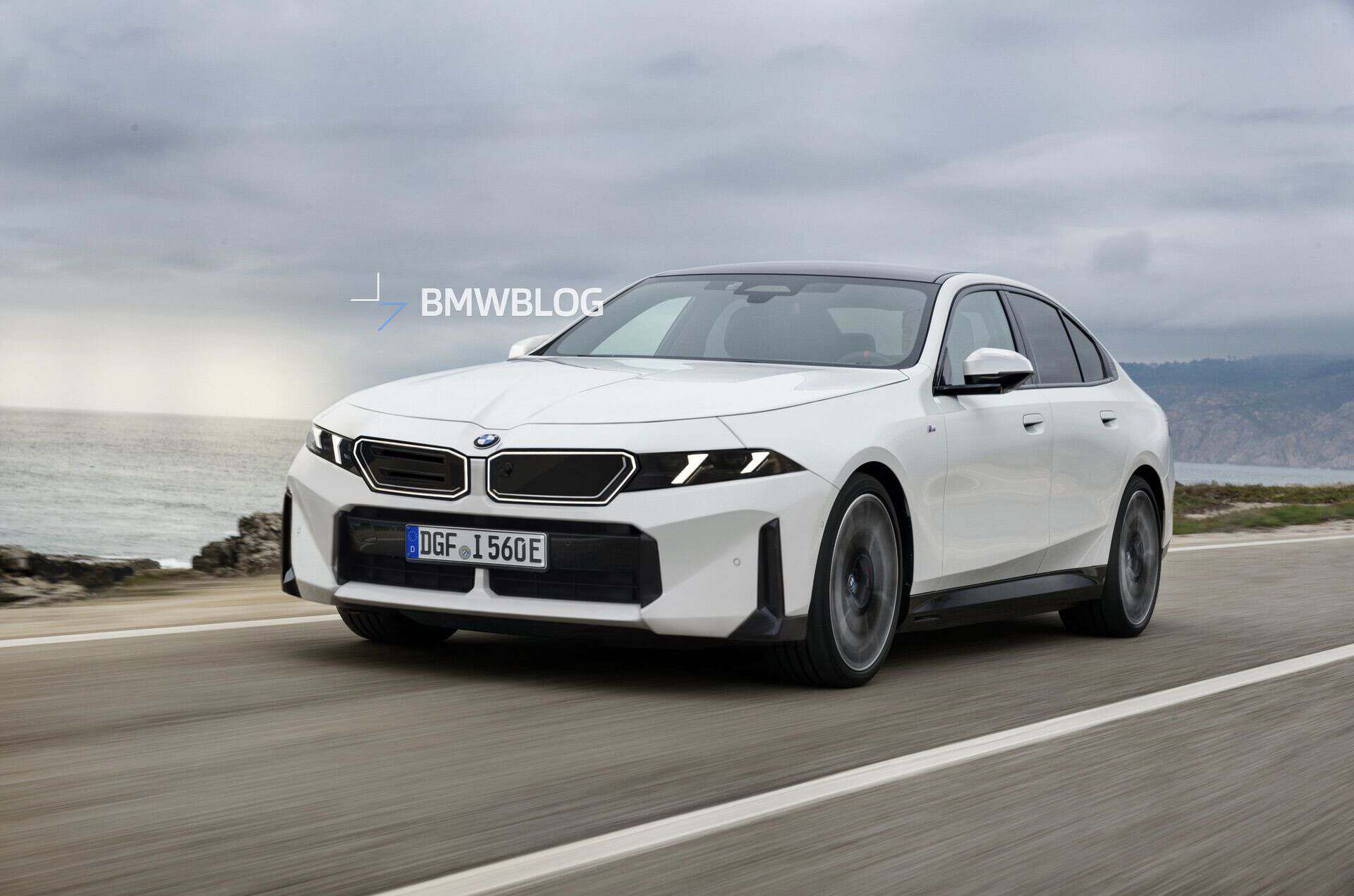
The timing lines up too. The 5 Series LCI, BMW-speak for a mid-cycle refresh, is expected to enter production around July 2027. Prototypes are already running around Germany, with a spring reveal expected.
BMW also counts the i5 sedan and i5 Touring as separate models. Two cars in the pipeline, one platform, one factory. Do the math.
So what would the upgrade deliver? BMWBLOG scaled the current i5 eDrive40 by the i7’s roughly 11 percent capacity gain. That lands at about 90 kWh usable, up from 81.2 kWh today.
WLTP range would jump from 581 km (361 miles) to somewhere between 640 and 700 km (398 to 435 miles). The upper figure assumes efficiency gains like the i7’s. Peak DC charging would rise from 205 kW to about 250 kW.
Those are estimates, not BMW figures. Numbers would also vary across the lineup, with both sedan and Touring offered in 40 and M60 form, and an i5 50 rumored.
The wildcard is the M5.
The current M5 is a plug-in hybrid on the same CLAR bones, and Rimac’s refusal to rule out hybrids keeps it in play. The paperwork argues otherwise. BMW’s 2024 deal with Rimac covered battery-electric vehicles only.
So the likeliest reading is the plainest one. BMW found a way to stretch an aging platform with next-generation cells, and Rimac found a customer for a very expensive production line.
Two programs remain unnamed. The 5 Series reveal is a few months out, and the battery spec sheet will settle it.


Share this Story