
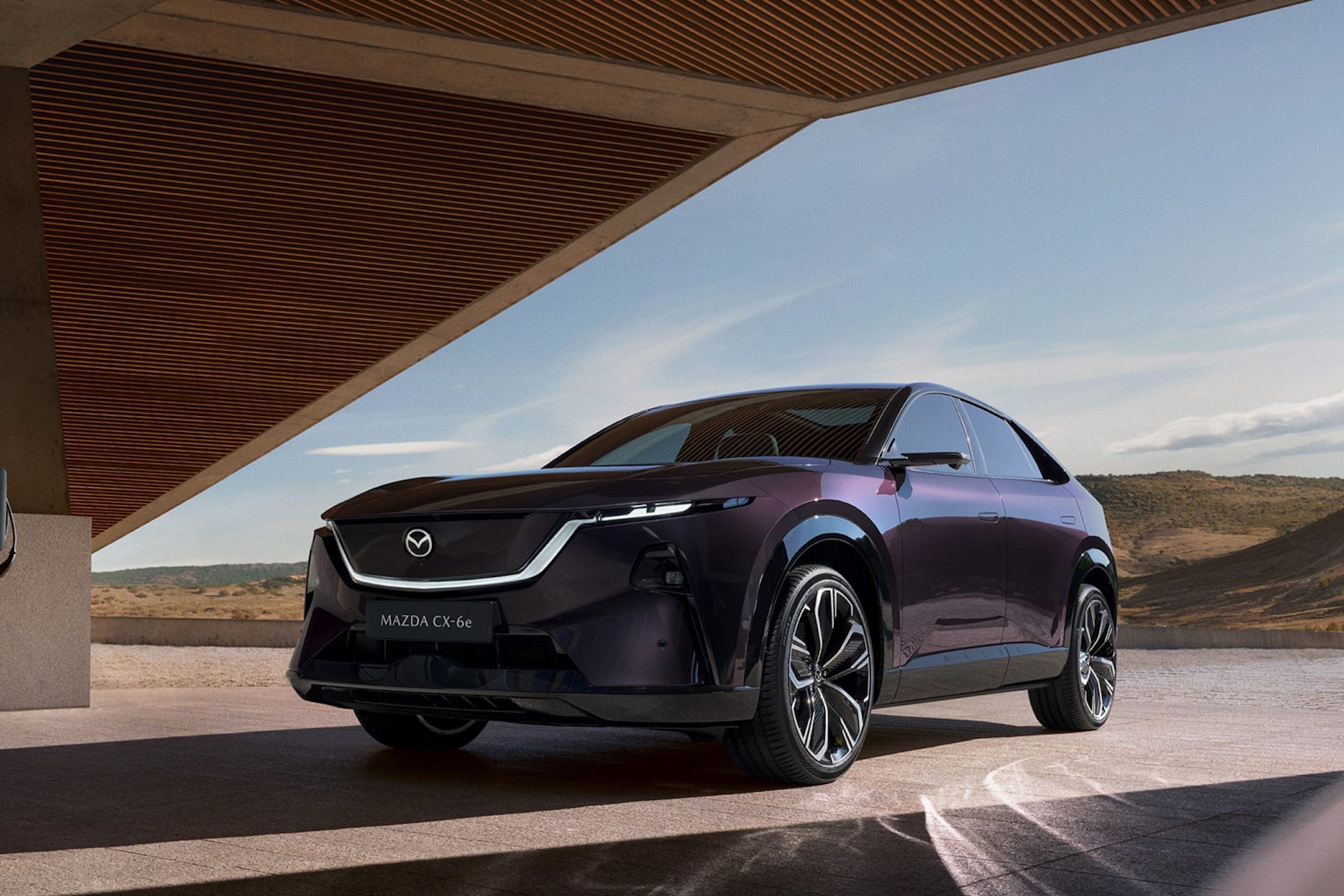


The Mazda CX-6e, a Chinese-built electric crossover sold in Australia, comes equipped with an external speaker system that lets drivers broadcast literally anything to the outside world. Preloaded safety phrases, custom typed messages, even live voice. No content filter, no profanity blocker, nothing.
The feature was designed with good intentions. EVs run quiet, and Chinese engineers wanted more than the standard reversing chime to keep pedestrians safe. So they built a system with pre-programmed alerts like “Please look up from your phone” and “You go ahead,” messages meant to smooth out the awkward dance of urban traffic.
That’s the polite version.
When Australian journalists got their hands on the car, they did exactly what you’d expect. They typed obscenities into the keyboard interface and hit play. The system read every word aloud in a flat, emotionless monotone.
They recorded their own voices screaming insults. The car dutifully amplified those too. No guardrails, no word filter, no parental advisory warning.
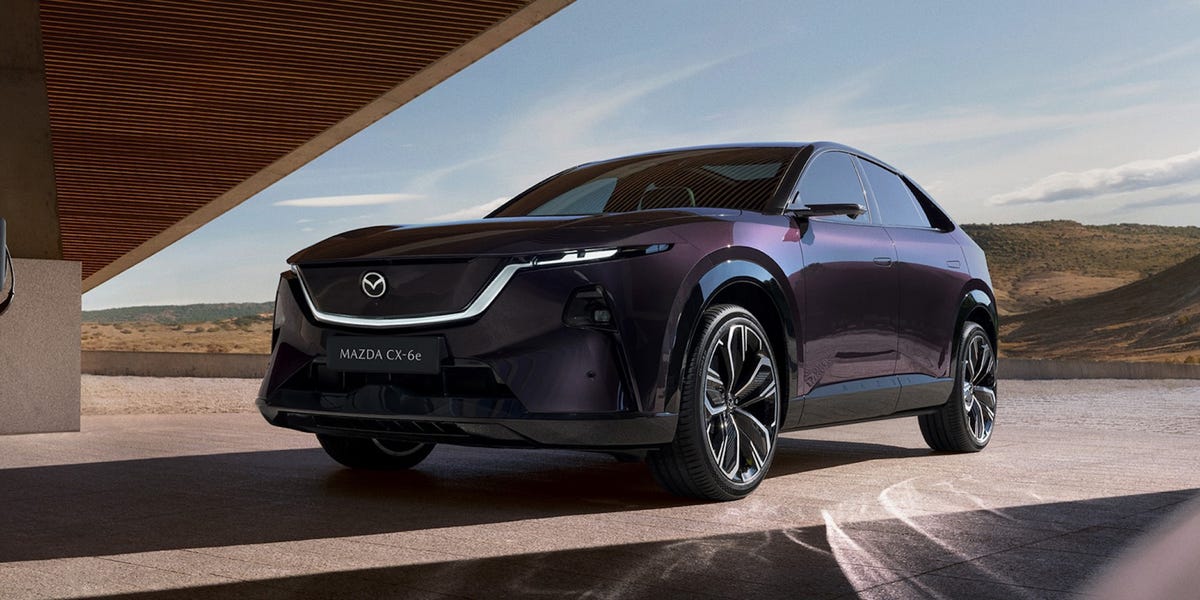
Videos of the discovery spread fast on social media, with testers gleefully demonstrating the system’s willingness to say things that would get you banned from most online platforms. The car doesn’t care. It just reads.
The comedy writes itself, but the underlying problem is real. Plenty of drivers already abuse the horn, a device that produces a single, ambiguous tone. Hand them a loudspeaker with text-to-speech and zero restrictions, and you’ve built a rolling road rage amplifier.
Every slow merge, every disputed parking spot, every cyclist who drifts into the lane becomes an invitation for a public verbal assault delivered from behind tinted glass.
Mazda presumably did not intend for its crossover to become the world’s first profanity-capable automobile. The CX-6e is a joint venture product wearing Mazda styling over a Changan-developed EV platform. The speaker system likely passed through approval processes focused on Chinese traffic norms, where external audio alerts on EVs are more common and more elaborate than in Western markets.
But the car is now on sale in Australia with no software restriction on what it will say. That’s a regulatory gap nobody thought to close, mostly because nobody imagined a carmaker would ship a vehicle with an uncensored PA system.
An over-the-air update seems inevitable. Mazda will almost certainly push a patch that limits external broadcasts to approved phrases once the viral moment generates enough complaints, or once a local council decides the feature violates a noise ordinance. Australian states already have laws against unnecessary use of audible warning devices.
Until then, the CX-6e occupies a strange and briefly hilarious corner of automotive history. It’s the car that trusted its drivers to be reasonable adults with a public address system. Anyone who has spent five minutes in traffic knows how that bet ends.
Mazda has not yet commented publicly on whether a software fix is coming or when content restrictions might be applied to the Australian-market cars. The system remains fully functional and fully uncensored on every CX-6e currently on dealer lots.
Share this Story