
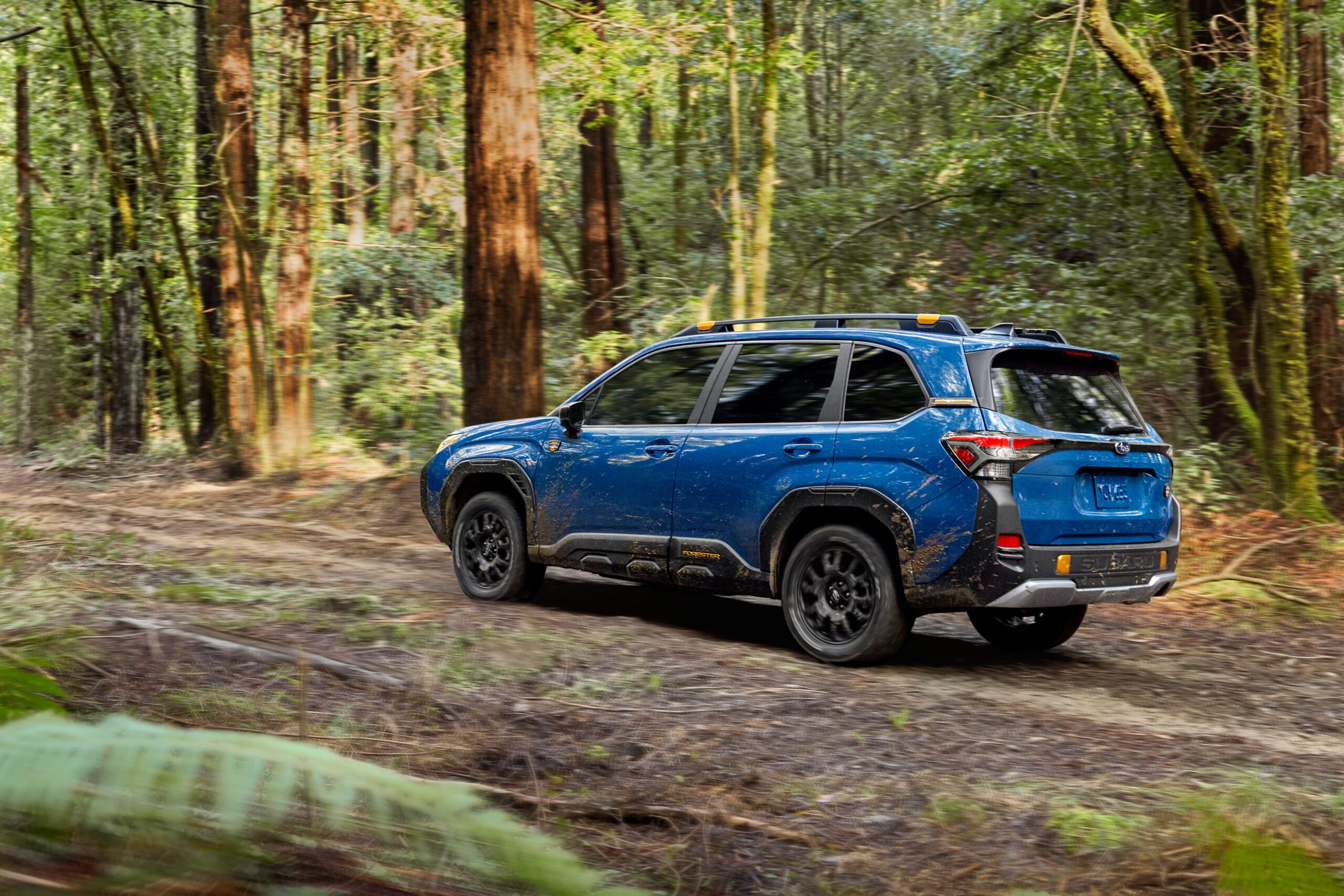


Three nonhybrid Forester trims are gone for 2027. The Sport, Sport Onyx Edition, and Touring all get the axe, leaving just four gas-only models in the lineup. Meanwhile, the hybrid side swells to five trims, including Subaru’s first-ever Wilderness Hybrid.
The math tells the story. Subaru is steering buyers toward electrification whether they asked for it or not.
Base pricing holds steady at $31,470 for the entry-level nonhybrid and $36,205 for the cheapest hybrid, the Premium Hybrid. Most trims carry over their 2026 numbers unchanged. But the models that did get price bumps are all on the gas-only side.
The Forester Limited climbs $1,625 to $39,070. The Wilderness jumps $2,525 to $40,970.
If you want the Touring trim, your only option now is the hybrid, at $43,020. Same goes for the Sport. Subaru has created a funnel, making the gas-only lineup less appealing while keeping hybrid pricing competitive enough to nudge buyers across the aisle.
The new Wilderness Hybrid sits at $41,970, just $1,000 more than its gas-powered twin. Both Wilderness models now come loaded with a Harman/Kardon stereo, power liftgate, 12.3-inch digital gauge display, and in-dash navigation as standard equipment. Those were formerly options on the nonhybrid Wilderness, so Subaru is sweetening the pot at both price points.
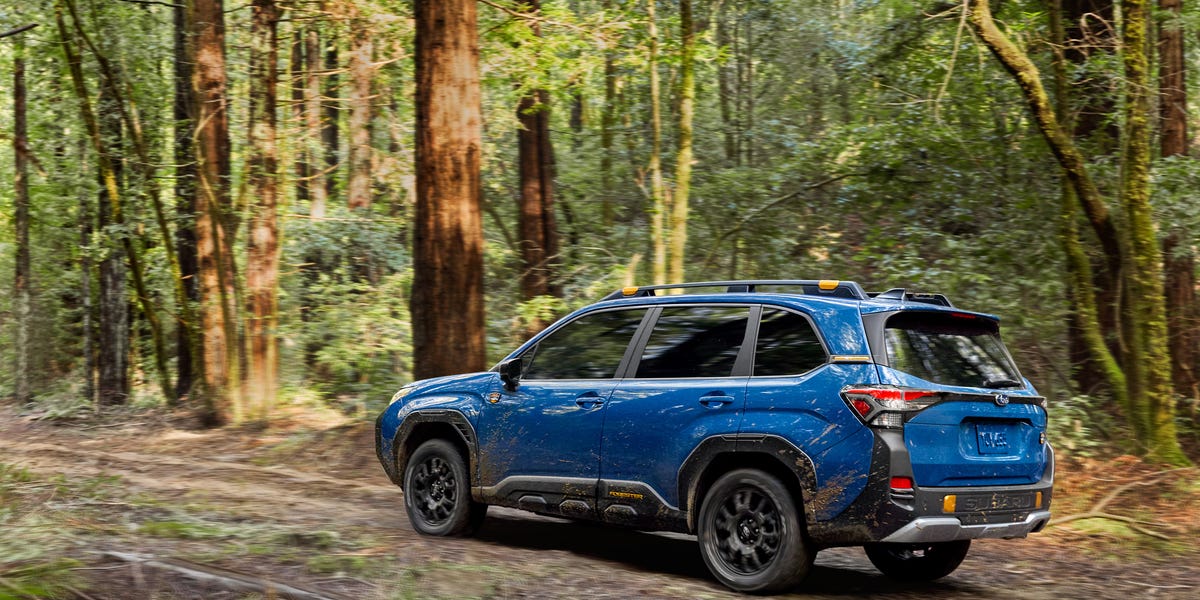
The Wilderness subbrand has been a genuine hit since it debuted on the Outback in 2021. More than 13 percent of Forester sales come from Wilderness models. Giving it a hybrid option is smart business, not charity.
Every hybrid Forester pairs a 2.5-liter boxer engine with electric motors and a lithium-ion battery for a combined 194 horsepower, run through a CVT. The nonhybrid models stick with the same 2.5-liter boxer and CVT, minus the electrification. Neither powertrain will win drag races, but that has never been the Forester’s job.
This move mirrors what Subaru did with the 2027 Crosstrek, where the Sport trim went hybrid-only. It is a pattern now, not an experiment. Subaru is methodically pruning its conventional lineup model by model, trim by trim, pushing its customer base toward hybridization without making the full EV leap.
The strategy makes sense for a company that has struggled to sell its Solterra EV in meaningful numbers. Hybrids are the comfortable middle ground, familiar enough for Subaru’s loyal buyers but efficient enough to help the brand meet tightening fuel economy regulations. Every discontinued gas-only trim is one less reason for a customer to skip the hybrid.
Dealers will see the 2027 Forester lineup later this year. By then, the gas-only Forester will feel like the one Subaru tolerates rather than the one it promotes. Four trims versus five. Stable pricing versus strategic increases.
Subaru is not killing the combustion Forester outright. It is just making it harder to choose.
Share this Story