
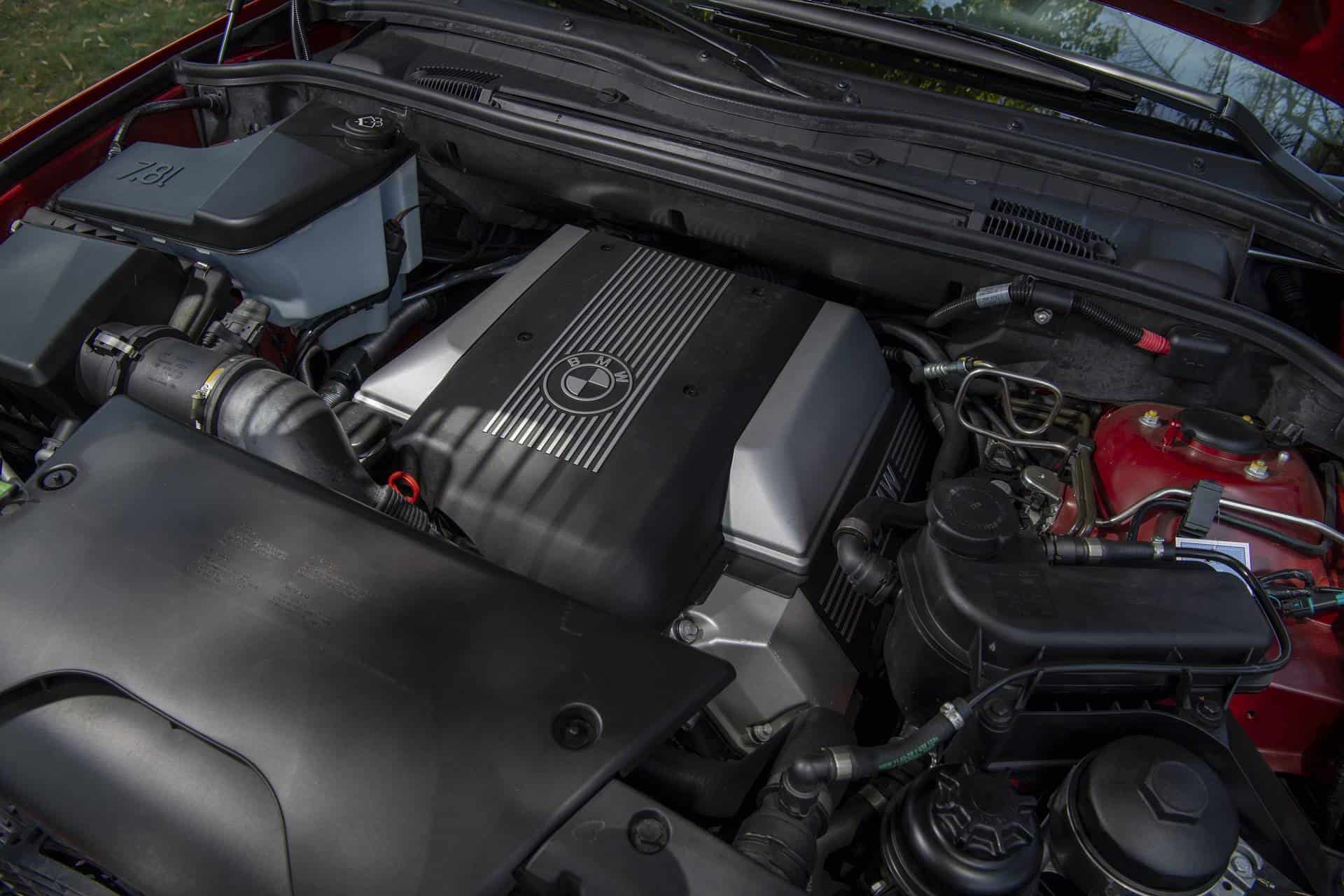


Ask anyone who has owned both an E39 540i and a later N62-powered BMW which engine they’d rather live with long term, and the answer comes back fast. The M62, BMW’s 4.4-liter V8 produced from 1995 to 2005, has quietly become the last BMW V8 that a competent home mechanic can maintain without a second mortgage.
That reputation rests on simplicity. No Valvetronic. No variable-length intake manifold. No valley-mounted alternator bracket designed to ensure maximum billable hours.
In its original pre-1998 form, the M62 didn’t even have VANOS. It’s a 90-degree aluminum V8 with four valves per cylinder, double overhead cams per bank, and a single-row timing chain. It makes 282 horsepower in 4.4-liter form, enough to move an E39 with authority if not violence.
The 1998 Technical Update added single VANOS on the intake cams, electronic throttle control, and Bosch ME7.2 management. Torque climbed 20 Nm without touching peak power. The update was intelligent and restrained, two words that do not describe what BMW did to its V8 program afterward.
But calling the M62 simple is not the same as calling it trouble-free. Its one genuinely serious flaw is the plastic timing chain guides, particularly on TU engines. Heat and age make the guide rails brittle.
They crack. They shed fragments into the oil pan. The chain jumps timing, and at that point the repair bill can exceed the value of the car.
The early warning is a rattle on cold start, usually from the front of the engine. Plan on guide replacement somewhere around 80,000 to 100,000 miles, though some engines outlast that figure on original parts. It’s a labor-intensive job requiring removal of valve covers, upper timing covers, VANOS units, and the valley pan, but it’s a known quantity, and that matters.
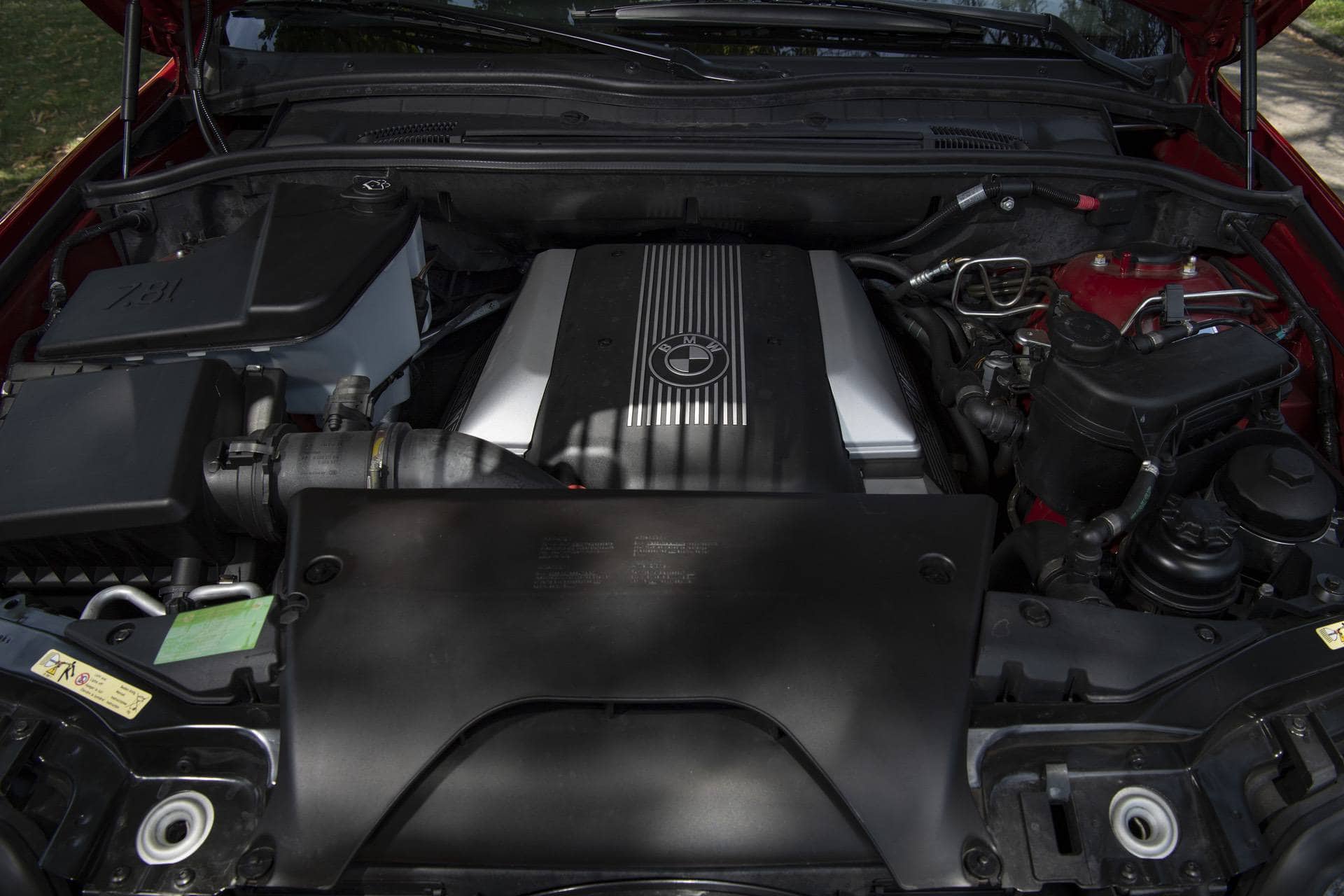
VANOS seals are next on the list. Worn seals cause cold-start rattle, rough idle, and mid-range hesitation. Rebuild kits and services are widely available at reasonable cost.
Beyond that, the M62 shares the usual BMW sins of its generation: leaking valve cover gaskets, deteriorating crankcase ventilation hoses, and a cooling system that demands preventive replacement of the water pump, expansion tank, thermostat, and valley coolant pipes.
Stack that list against the N62’s valve stem seal failures, Valvetronic motor issues, and alternator bracket leaks, or the N63’s well-documented appetite for turbos, oil, and patience, and the M62 looks almost relaxing.
The engine’s architecture was strong enough that BMW M built the S62 on top of it. That 4.9-liter, 394-horsepower V8 with individual throttle bodies and a double-row timing chain powered the E39 M5 and Z8. ALPINA extracted 370 horsepower from a 4.8-liter version. The block could take it.
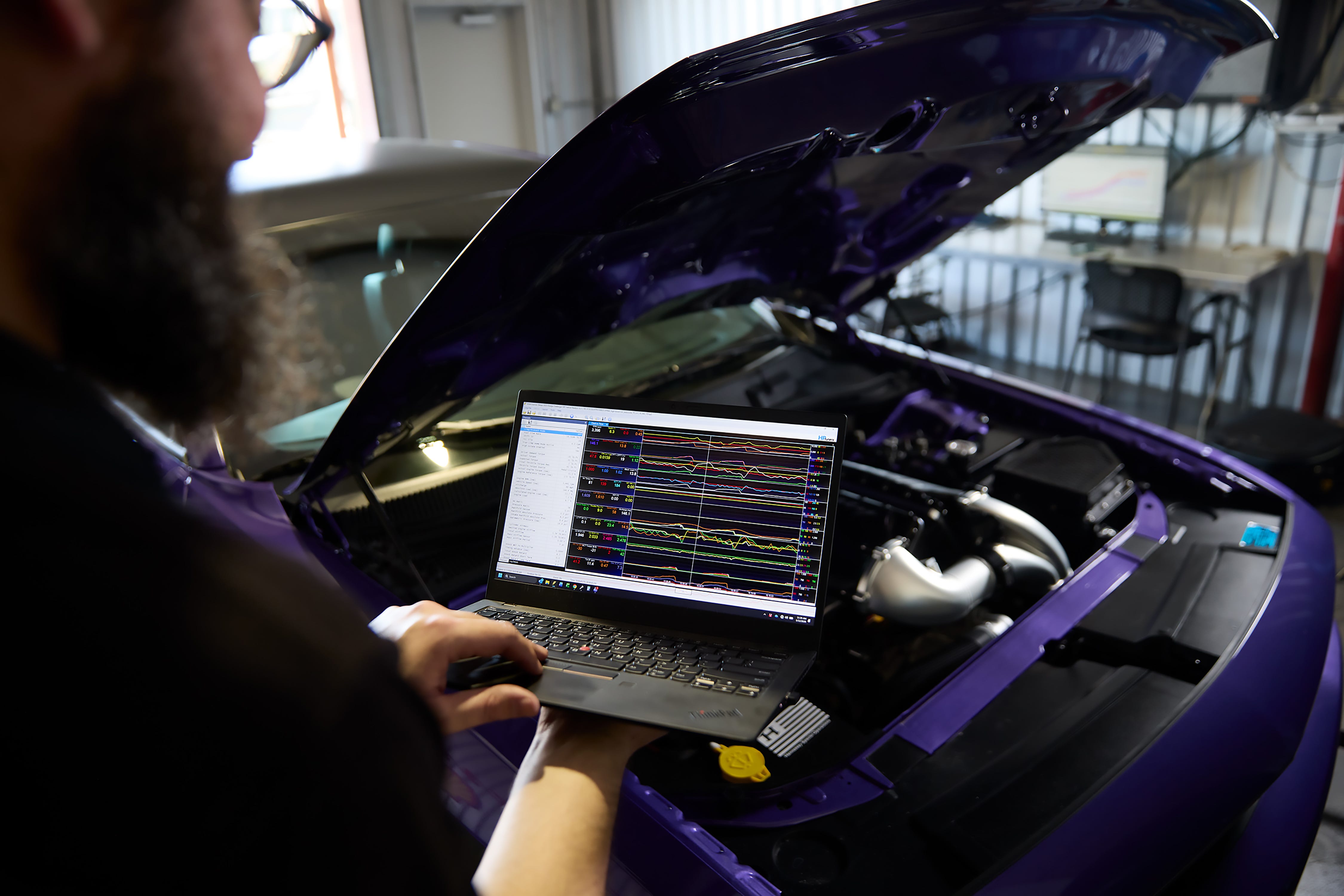
For tuners, forced induction is the only route to big numbers. VF Engineering’s supercharger kit claims 410 hp. Bolt it onto an engine with worn timing chain guides, though, and you’re buying a very expensive lesson.
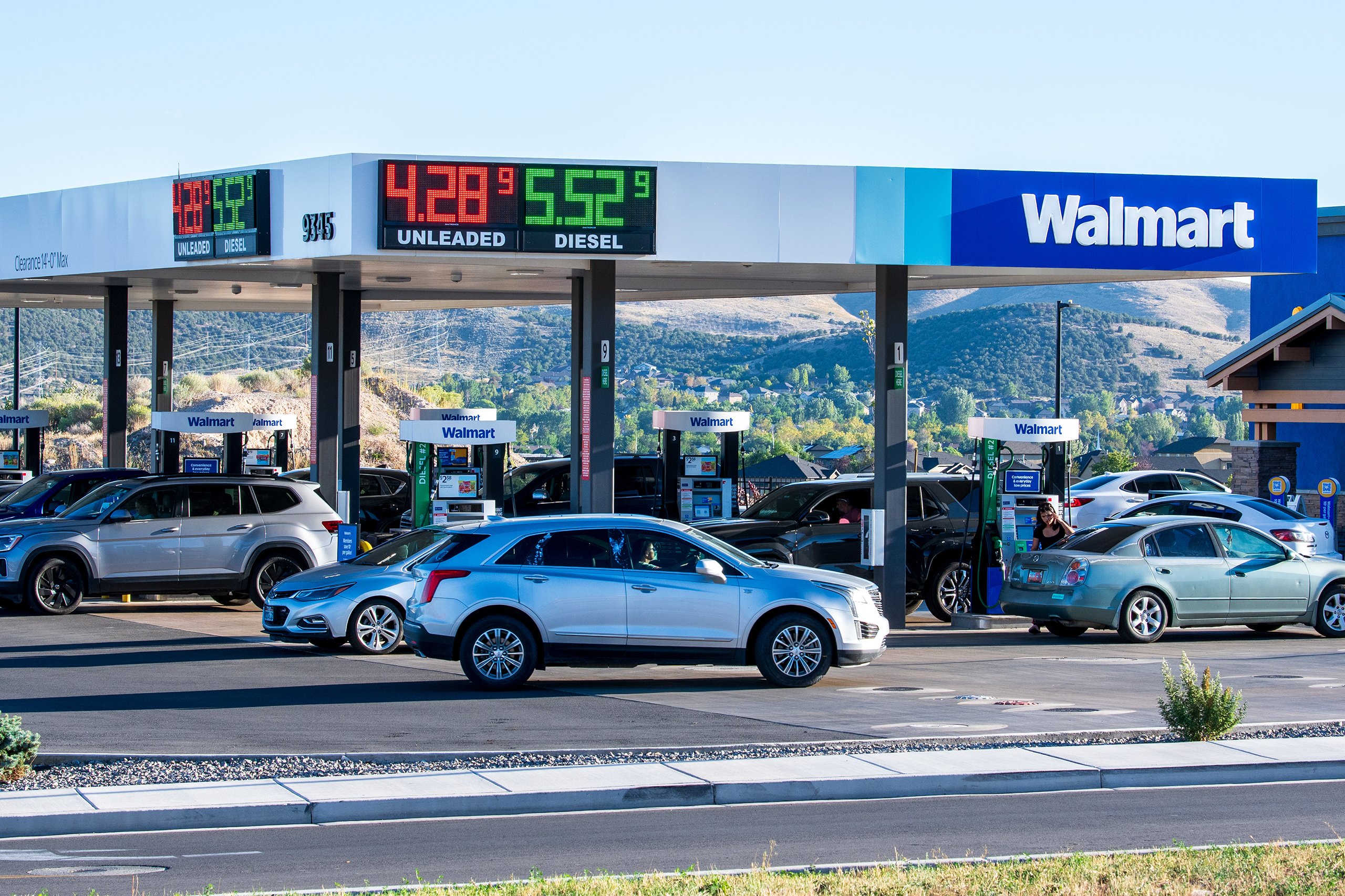
Fuel economy is terrible by any modern standard. The 2002 540i managed 16 city and 22 highway with the automatic, earning a Gas Guzzler Tax when new. Nobody buying a 20-plus-year-old V8 sedan should pretend otherwise.
The smart buy today is a 1999 to 2003 E39 540i with the M62TU, a six-speed manual, and a folder of receipts showing timing chain guide replacement, coolant pipe service, and cooling system refresh. Without those receipts, subtract the cost of the work from whatever the seller is asking.
These cars are all past 20 years old now. Condition and documentation have long since overtaken mileage as the only numbers that matter. The M62 rewards owners who keep records and punishes those who don’t, which is exactly how a good engine should work.


Share this Story