
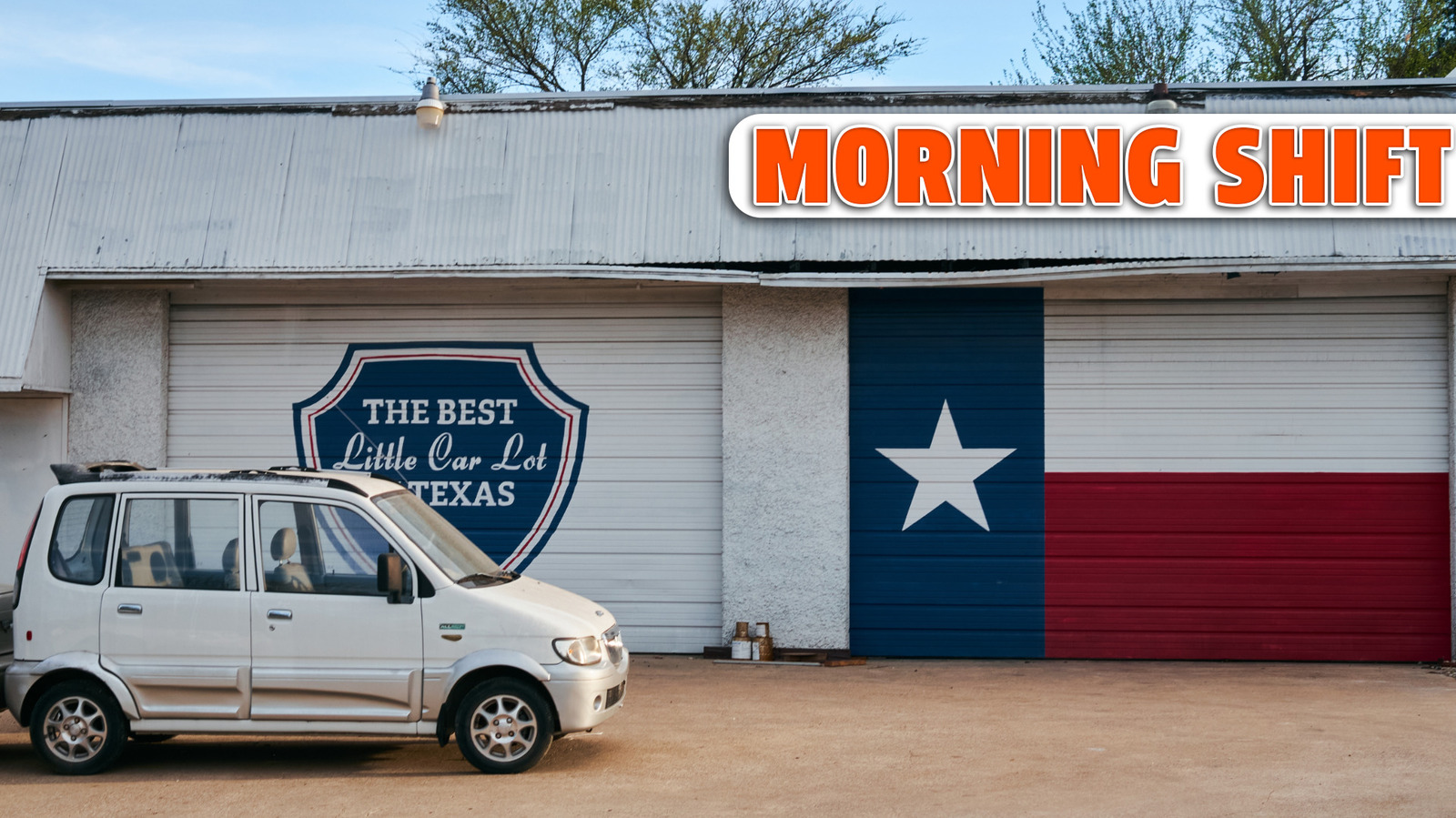


Less than one percentage point now separates the two largest new-vehicle retail markets in the United States. Texas, at 10.8 percent of national retail light-vehicle sales, is closing fast on California’s 11.4 percent, according to a new JD Power report. Seven years ago, that gap was more than three points.
Texas has already passed California in one critical measure: total consumer spending on new vehicles. The reason is simple and distinctly Texan — buyers there skew heavily toward expensive pickup trucks. That spending pattern has quietly reshaped where automaker profits actually come from.
Since 2019, California’s share of U.S. retail sales has slid from 12.5 percent to its current mark. That steady erosion coincides with the state’s population plateau and cost-of-living pressures pushing residents elsewhere. Texas has moved in the opposite direction, absorbing transplants and generating organic demand in a state where land is cheap, commutes are long, and a full-size truck is less a lifestyle accessory than a daily tool.
Toyota and Tesla both chose Texas for their headquarters, but the real story isn’t corporate relocations. It’s the sheer volume of metal moving off dealer lots in Houston, Dallas-Fort Worth, San Antonio, and Austin. Those metros keep expanding while coastal markets flatten.
The JD Power data lands at an awkward moment for global automakers trying to figure out where to place their bets. Jaguar Land Rover’s CEO, PB Balaji, told investors on June 17 that the company is “pivoting the entire organization towards the U.S.” North America already accounts for 28 percent of JLR’s total sales — just under 100,000 units out of 352,389 globally.
Balaji’s ambition is to grow the U.S. business to match JLR’s entire current worldwide volume, though he offered no timeline or specifics. That’s a bold play into a market where tariffs on imported vehicles remain punishing and affordability keeps deteriorating. A bet on the American luxury truck buyer is a bet on exactly the kind of consumer driving Texas’s rise.
Meanwhile, the world’s largest automaker is bleeding. Toyota posted a 7.4 percent drop in global sales in May, its fourth consecutive monthly decline. Disruptions around the Strait of Hormuz and brutal EV competition in China are hammering a company that had been printing record profits.
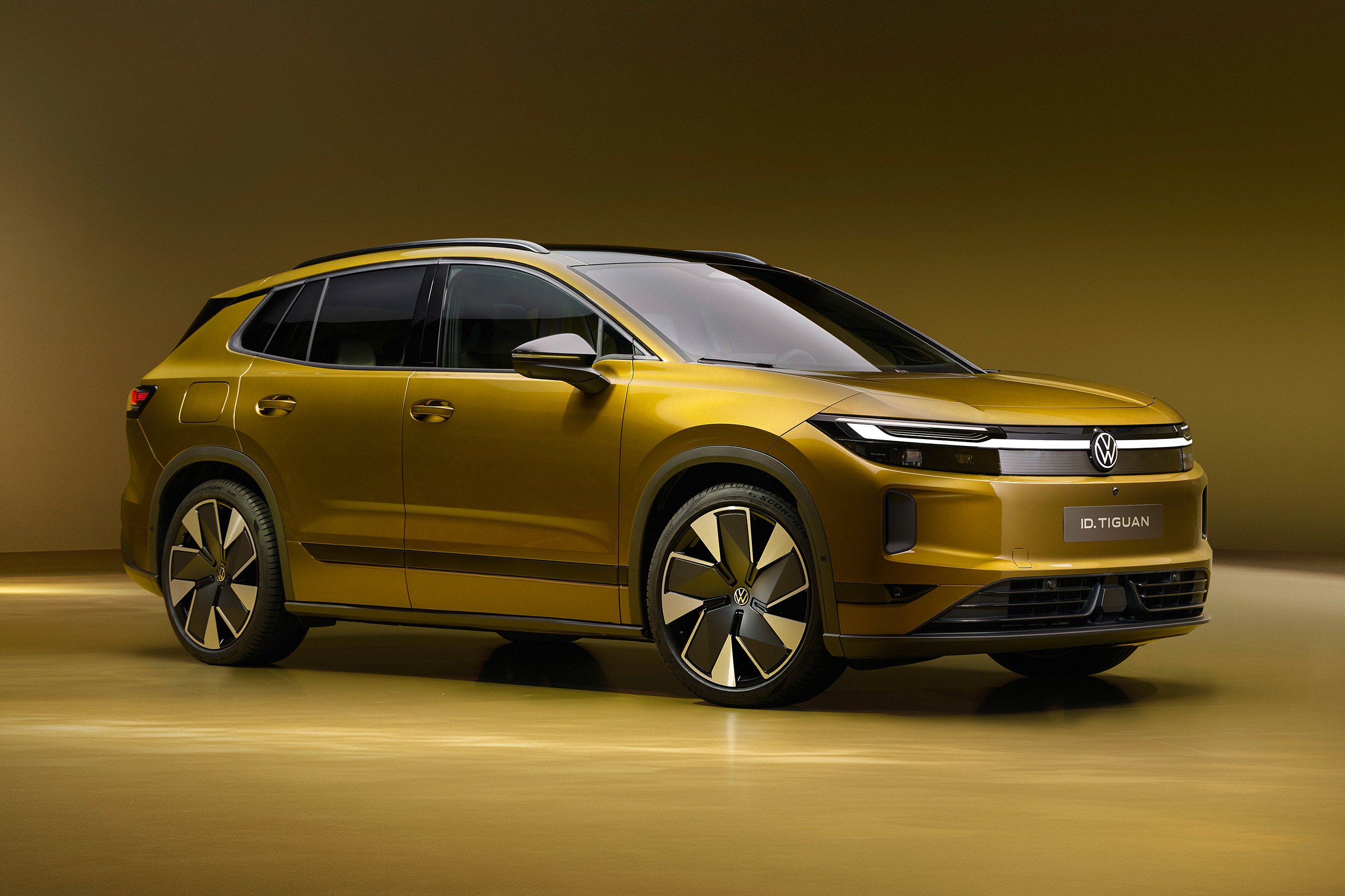
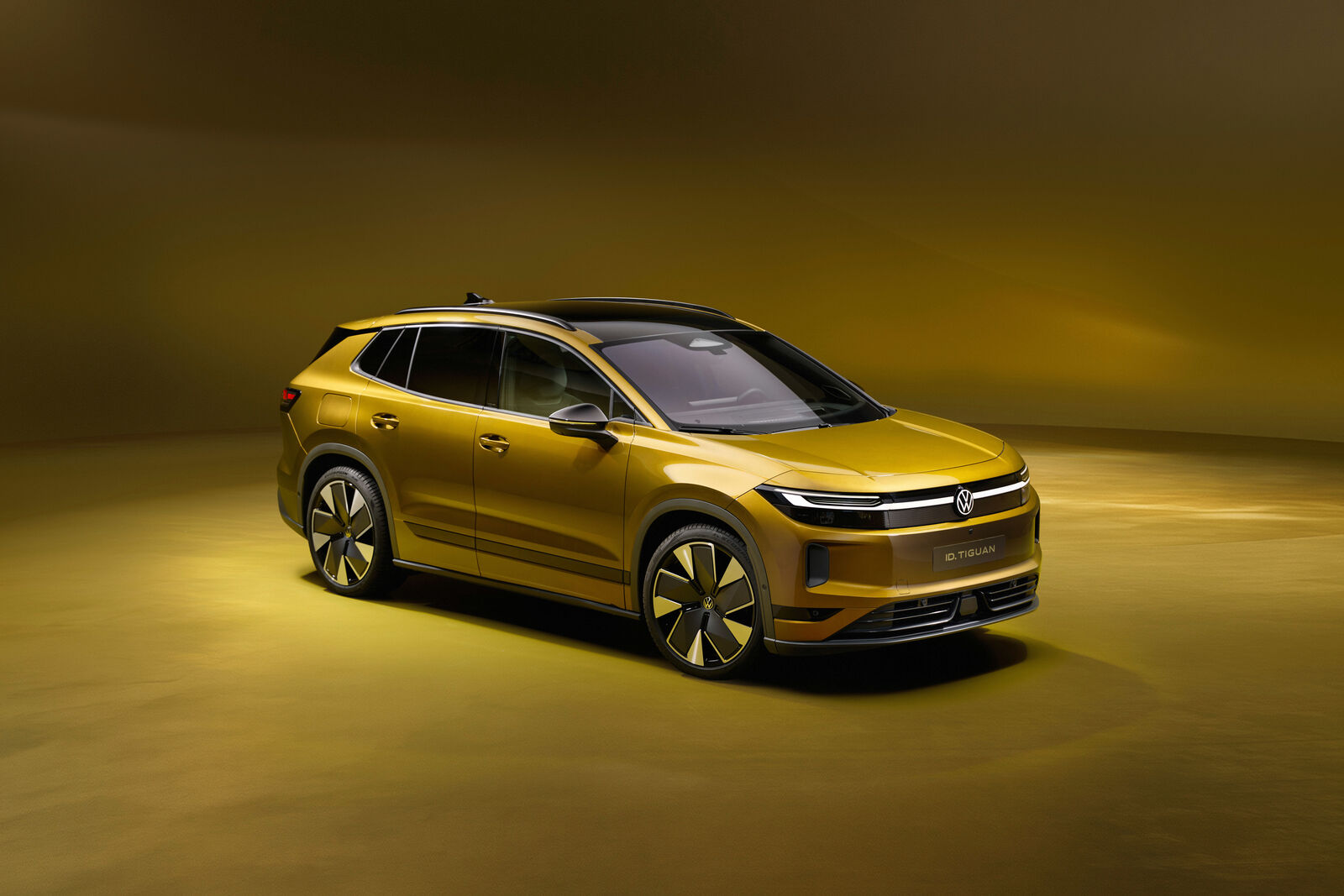
Volkswagen, the world’s second-largest automaker, is reportedly considering the most dramatic restructuring in automotive history — shutting four German factories and cutting up to 100,000 jobs. Plants in Hanover, Zwickau, Emden, and Audi’s Neckarsulm facility would be on the chopping block, putting more than 45,000 positions at immediate risk on top of 50,000 cuts already planned. That’s one in seven VW employees gone.
The through line connecting all of this is a power shift that’s been building for years and is now accelerating. The center of gravity in the American car market is migrating south and west, toward truck-heavy buyers with money to spend. Global automakers are either chasing that customer or losing volume trying to serve markets that are shrinking or hostile.
Texas doesn’t just want more trucks. It wants the biggest, most expensive trucks on the lot. The automakers that understand this are reorganizing around it. The ones that don’t are closing factories.
California still holds the crown, but the coronation in Austin is already being planned. At the current trajectory, the handoff happens within two years — maybe sooner if gas stays cheap and the Texas economy keeps running hot. For an industry built on reading demand signals, this one isn’t subtle.

Share this Story