
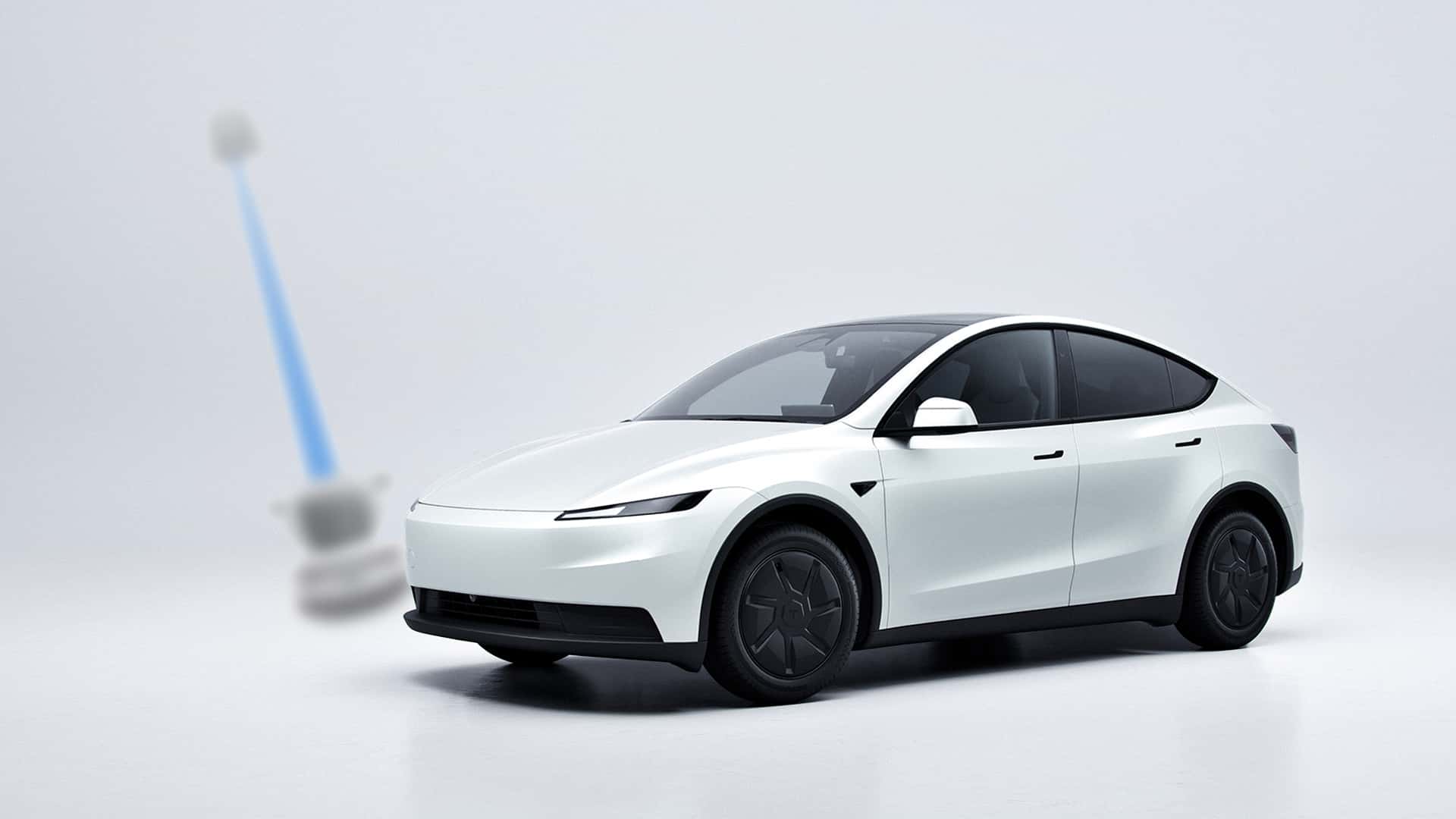


Three out of four new Tesla buyers in North America are now subscribing to Full Self-Driving at $99 a month. That is a staggering attach rate for any automotive subscription, let alone one that still requires a human behind the wheel at all times.
Tesla revealed the figure during its latest earnings discussion, noting the jump from 55% in Q2 to 75% last quarter. The automaker now counts 1.74 million FSD subscriptions worldwide, a 67% increase year-over-year. Tesla says those numbers exclude free trial users.
Here is where it gets interesting. Tesla also disclosed that subscriptions have finally overtaken one-time purchases, crossing the 50% threshold. That means roughly 875,000 people globally are paying the monthly fee.
Do the quick math and that is about $1.04 billion in annualized recurring revenue, assuming nobody cancels. That assumption is doing a lot of heavy lifting.
Tesla declined to share churn rates. It says more data will come later. A company eager to trumpet a 75% attach rate but unwilling to say how many subscribers stick around past month two is telling you something with its silence.
Every new Tesla delivery comes with a free month of FSD baked in. Ashok Elluswamy, Tesla’s VP of AI Software, framed this as proof of genuine demand. “People are signing up even though they have that free month available,” he said.
But a free trial is the oldest conversion tool in the software playbook. The real question is retention, and Tesla is not answering it.
The automaker is now crediting FSD as the primary driver behind its largest vehicle order backlog in four years. That is a bold claim for software that still carries the word “Supervised” on the label. Tesla teased that unsupervised FSD could arrive by next summer, though it will be geofenced to approved markets and restricted to vehicles running the latest hardware.
The company also floated plans to open its robotaxi network to customer vehicles around the same timeframe. These timelines should sound familiar. Tesla has been promising full autonomy is just around the corner since 2016.
Each deadline has slipped. Each promise has been revised. The difference now is that Tesla has built a revenue engine around the wait. Buyers are paying monthly for a product that Tesla itself admits is not yet finished, banking on the idea that it will mature into something that justifies the cost.
The broader auto industry has struggled with subscriptions. BMW retreated from charging for heated seats. Many brands have found that customers despise paying monthly for features embedded in hardware they already own.
Tesla is the outlier, and its 75% number suggests it has cracked something its competitors have not. Or it suggests something else entirely.
A free trial month creates momentum. A loyal customer base predisposed to trust the brand creates conversion. But sustainable recurring revenue requires people to keep paying quarter after quarter, year after year.
Tesla knows those numbers. It is choosing not to share them.
Meanwhile, Tesla plans to seek regulatory approval for FSD in Europe and China, markets where scrutiny of autonomous driving claims tends to be sharper. The company’s ability to replicate its North American attach rate overseas will depend on whether regulators see FSD the way Tesla’s marketing team does or the way its legal disclaimers do.
The billion-dollar subscription machine is running. Whether it keeps running depends on data Tesla has not yet been willing to put on the table.
Share this Story